

In the art of photography, crafting the perfect image requires strategy, patience, and an in-depth understanding of the elements involved. In regard to landscape photography, recent online gatherings and vlog discussions have further affirmed this, shedding new light on the peculiarities of capturing breathtaking views. The essence of this article is to provide a succinct exposition on how to capture that perfect landscape image, building on the initial foundation of planning your landscape photos.
Before investing in a trip to a particular location, several professional photographers recommend conducting a thorough online research about the place. Google Maps, Instagram hashtags, and travel blogs can be valuable sources of information. Reviewing images taken by others can provide inspiration, provide key insights on the ideal timings for shots, and also about potential challenges to anticipate.
Once at the location, a crucial step towards capturing the perfect image would be establishing the primary point of interest. While huge expanses of nature can be beautiful, having a strong, main subject can help focus the image and draw in the viewer. This might come in the form of unique geographical features, dramatic cloud formations, or some play of light and shadow.
Despite having an overarching plan, landscape photographers advise the value of flexibility. Weather conditions are unpredictable, and sometimes, the best-laid plans must change at short notice. In an Instagram Live session last week, renowned landscape photographer Ray Collins shared: “I think being adaptive is key, and being able to recognize the potential in an unexpected situation is something that sets great landscape photographers apart.”
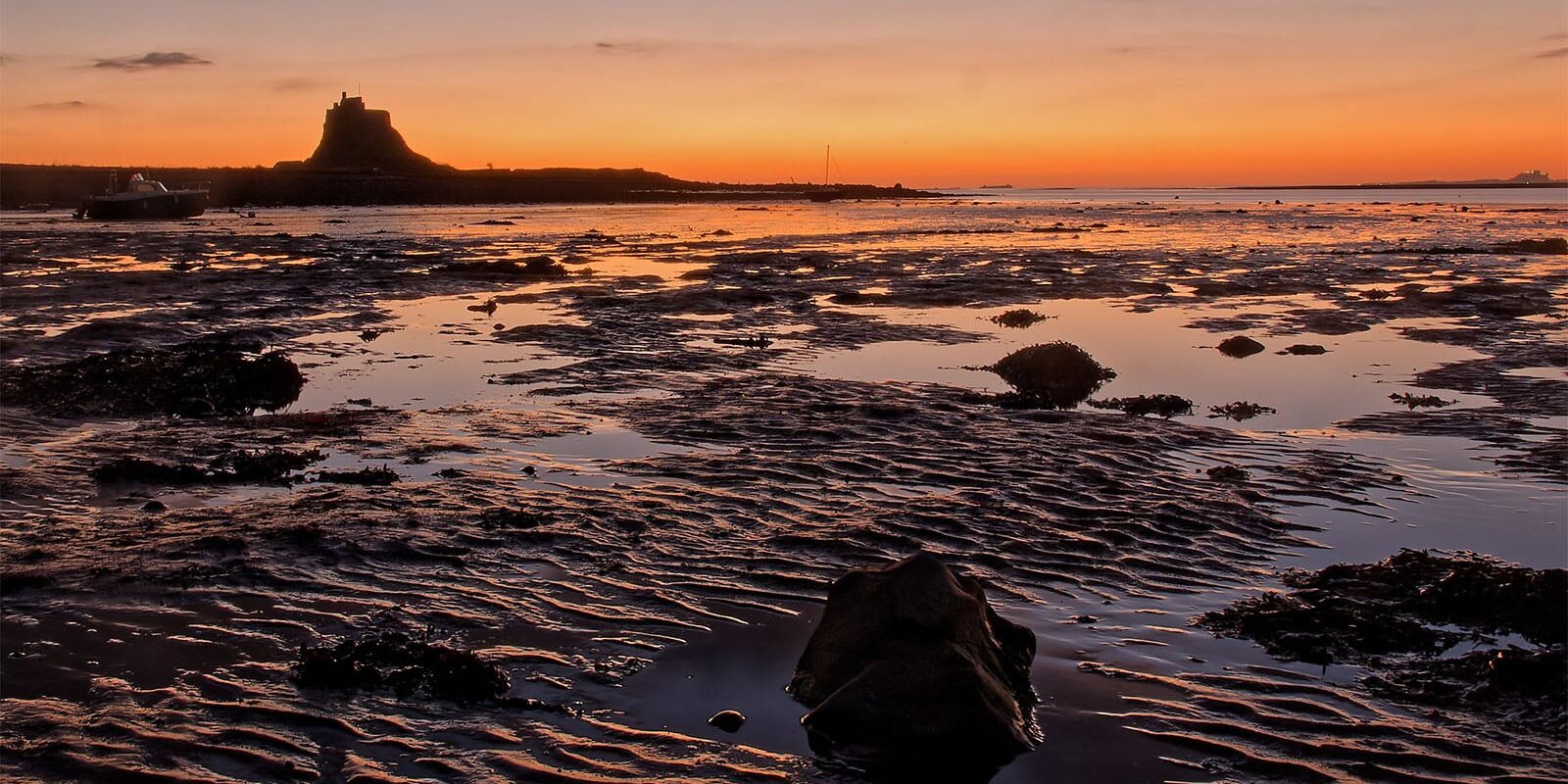
Considering light and composition are other key components for capturing the perfect image. The most striking landscape pictures often make use of the ‘Golden Hour’ – early mornings and late evenings when the sunlight gives a soft, warm, diffused light. These periods provide a unique ambiance and imbue images with a profound sense of depth.
As for composition, the rule of thirds – where you split your frame into a 3×3 grid and align the points of interest along the lines or their intersections – is a commonly used guideline. Use natural lines in the landscape to guide the viewer’s eye to your point of interest.
Mitchell Kanashkevich, a travel documentary photographer, stressed on a recent photography podcast the importance of patience when aiming for the perfect shot. “You need to immerse yourself in the location and its rhythm, be patient, anticipate the moments,” he said. The impulse to continually press the shutter might be great, but often, waiting yields far better results.
Post-processing, while not a part of the actual shooting process, can aid in crafting the perfect image. Tools like Adobe Lightroom or Photoshop help in minor tweaks of exposure, contrast, or color balance to accentuate the mood of the photo.
Photographer Alain Maiki echoed this sentiment in his recent MasterClass on landscape photography. “Honestly, the art of photography doesn’t end when you press the shutter. That’s just the beginning. The final image is crafted with an equal balance of in-camera and post-processing work.”
In sum, creating the perfect landscape image involves adequate research, recognizing and focusing on the primary point of interest, understanding light, and patience. Adaptability to conditions, with a careful blend of in-the-field and post-processing adjustments, helps deliver the desirable end product. As more online discussions put a spotlight on landscape photography, one thing remains certain: there’s always more to learn and improve upon in this ever-evolving craft.
Original Source: https://petapixel.com/2026/03/28/planning-landscape-photos-part-2-capturing-your-perfect-image/


