
In the heart of Wiki World, a remarkable project nestled in the northeastern Chinese woodland, the Red Bridge Cabin presents a stunning amalgamation of advanced architecture and aesthetics. Designed and constructed by the Advanced Architecture Lab[AaL] and Wiki World eco-community, it introduces a concept struggling between the increasing lanthanide of urban spaces and timeless human yearning for natural connection.
Unveiling a groundbreaking blend of rustic charm and modern facilities, the Red Bridge Cabin presents a space where the natural and the cutting-edge converge. The exquisite structure is built upon an abandoned stone bridge in a forest area of China, emphasizing the AaL’s commitment to repurposing existing structures in harmony with sustainability objectives.
The 70-square-meters red bridge cabin, furnished with a bedroom, a bathroom, and a living area with an open kitchen, is not simply a model of rural accommodation. Its innovative design and onsite sustainable systems represent a critical shift towards environmental conservation and thoughtful urbanization.
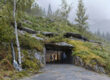
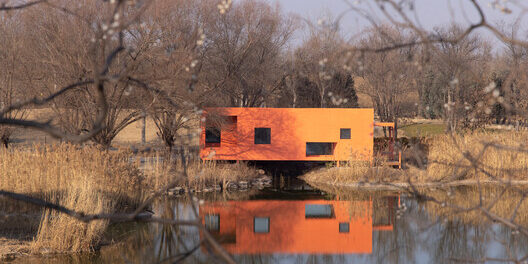
Floating above the stream, the cabin is held by robust wood columns, which are firmly grounded on the rocks downstream with minimal impact on the existing environment. The building is primarily red, a traditional hue in Chinese culture, symbolizing good fortune and joy. The radiant red façade also stands out amidst the lush green surrounding, emulating a beacon in the calm, serene woodland.
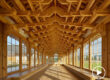
The structure, mainly from timber, was prefabricated off-site and then assembled on site to reduce construction waste and emissions. Solar panels are integrated to power the building, and the running stream underneath feeds the plumbing system for a self-sufficient microenvironment promoting environmental friendliness. This symbiosis of human dwelling with the natural surroundings is a representation of the architect’s take on sustainable habitats.
Wiki World and AaL believe that their collaborative project can reimagine and reshape architectural concepts to encourage a renewed relationship between humans and nature. They aim to demonstrate that people can coexist within natural environments without aggressive encroachment.
“In facing the challenges of our times, the harmony between man and nature will be the main theme of future space construction,” explained a representative of AaL.
The online architectural community has been praising the Red Bridge Cabin since its unveiling. Design blogs such as Dezeen, Archinect, and Archdaily have shared detailed photographs and technical aspects of the building, putting it on the global map as a potent emblem of sustainable architecture.
The cabin fosters a model of architecture thoughtfully integrated with the environment. It merges the structural and aesthetic elements of a modern dwelling with the core aspects of natural landscapes into a seamless whole. The project delivers a message of respect for the environment and optimism, a model of sustainability made possible through creative spatial solutions.
As urbanization increasingly encroaches onto natural landscapes, projects like the Red Bridge Cabin offer an important dialogue on built environments’ future. The example presented by AaL and Wiki World suggests that it is possible to balance modern lifestyle demands and environmental conservation if smart decisions are made about design, construction and location.
The Red Bridge Cabin is more than a building; it is a challenge to traditional concepts of development, an invitation to imagine a future where the boundaries between urban and rural, natural and man-made, are not stark divisions but opportunities for creative and sustainable cohabitation.
This concept will undoubtedly stir conversations and inspire developments in architectural design worldwide. In such a context, it underscores architecture’s role in confronting ecological challenges and shaping how future generations will live.
In conclusion, the Red Bridge Cabin project embodies a transformative vision that challenges conventional wisdom and makes a profound statement about living in harmony with nature. This innovative accommodation’s fusion with its surroundings serves as an example for future urban growth, offering an attractive blueprint for sustainable living.
Original Source: https://www.archdaily.com/1040011/red-bridge-cabin-wiki-world-plus-advanced-architecture-lab