

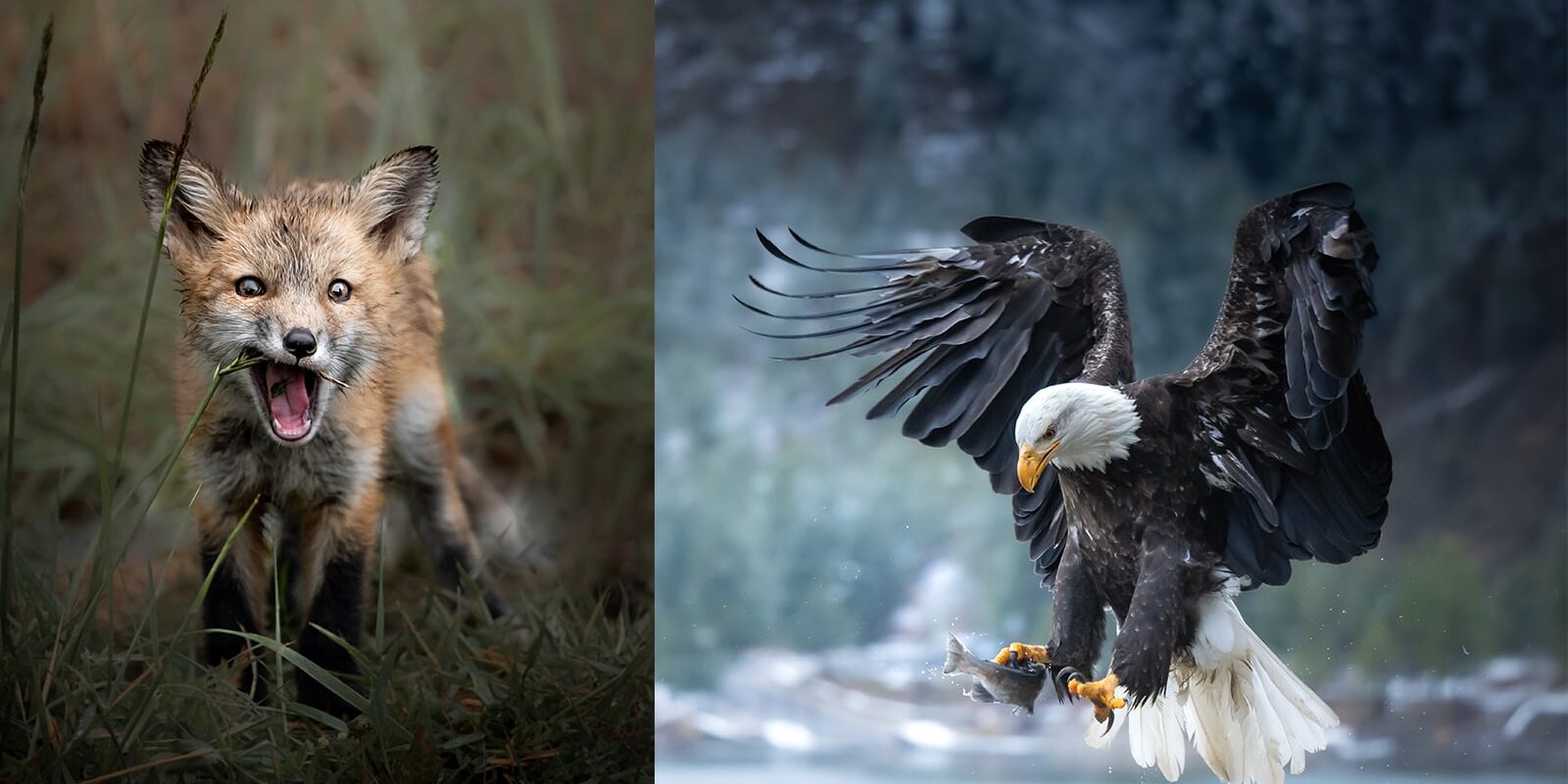
In an era dominated by digitalisation and visual storytelling, photographers are pushing the boundaries to create increasingly remarkable and evocative images. So how can one capture stunning wildlife photographs that truly stand out? While a perfectly sharp shot of a wild animal can be exciting, there are other factors to consider in ensuring your photographs are as distinctive as they are mesmerising. Here are 11 guiding tips drawn from recent online debates and discussions that might just help you create that perfect piece of nature-born art.
1. Compose with Care: While the rule of thirds remains a viable method, the notion of composition reaches far beyond this principle. Factor in elements like foreground and background, visual balance, leading lines, and the animal’s gaze direction while composing a wildlife photograph.
2. Keep Patience a Virtue: Paramount in wildlife photography is learning the art of waiting. Animals are not scripted actors and can take hours, even days, to show themselves. Getting the perfect shot often requires extreme patience.
3. Understand Animal Behaviour: Spend time observing your subject, understanding its typical behaviours, hunting patterns, and general lifestyle. Being aware of an animal’s behaviour can anticipate photographic opportunities and help shape your shooting strategy.
4. Play with the Light: The right illumination can transform an ordinary picture into something extraordinary. Dawn and dusk, known as the ‘golden hours’, are the preferred times for wildlife photography as they offer incredible soft and warm lighting.
5. Embrace the Environment: Incorporate the surrounding environment to add context to your wildlife shots. Environmental portraits can evoke a powerful story about an animal living in its natural habitat.
6. Explore Different Angles: Enhance the visual impact of your photographs by exploring various angles and perspectives. Try eye-level shots for personal, engaging photographs or aim for bird’s-eye or worm’s-eye views for a unique look.
7. Harness the Power of Post-Processing: Post-processing software like Adobe Lightroom and Photoshop can help improve colour balance, exposure levels, and contrast in your images. However, it’s essential to remember that these tools should complement, not substitute, good photographing techniques.
8. Dabble in Black and White: Black and white photographs can provide an element of timelessness and depth, highlighting textures and patterns that may not be as noticeable in colour images.
9. Prioritize Animal Well-being: Always remember to prioritise the wellbeing of the animals above the desire for a great shot. Respect their space and never disturb their natural behaviour.
10. Experiment with Motion Blur: Intentional motion blur can create a sense of movement or speed in wildlife images, leading to dynamic and artistic shots that stand out.
11. Perfect the Art of Storytelling: Powerful imagery tells a compelling narrative. Always aim to capture wildlife in a way that tells a story about the animal or its environment. A photograph with depth and dimension tends to resonate more with viewers.
In conclusion, the artistic dimension in wildlife photography cannot be limited to simple descriptors but can be cultivated through continuous practice and a passion for the art itself, unravelling an ethereal beauty that surpasses the conventional confines of the sharp shot. Opening up to broader, more adventurous perspectives can imbue your wildlife pictures with an essence of originality that reflects nature in its truest form.
Original Source: https://petapixel.com/2026/03/31/beyond-the-sharp-shot-11-tips-to-take-artistic-wildlife-photos/


