

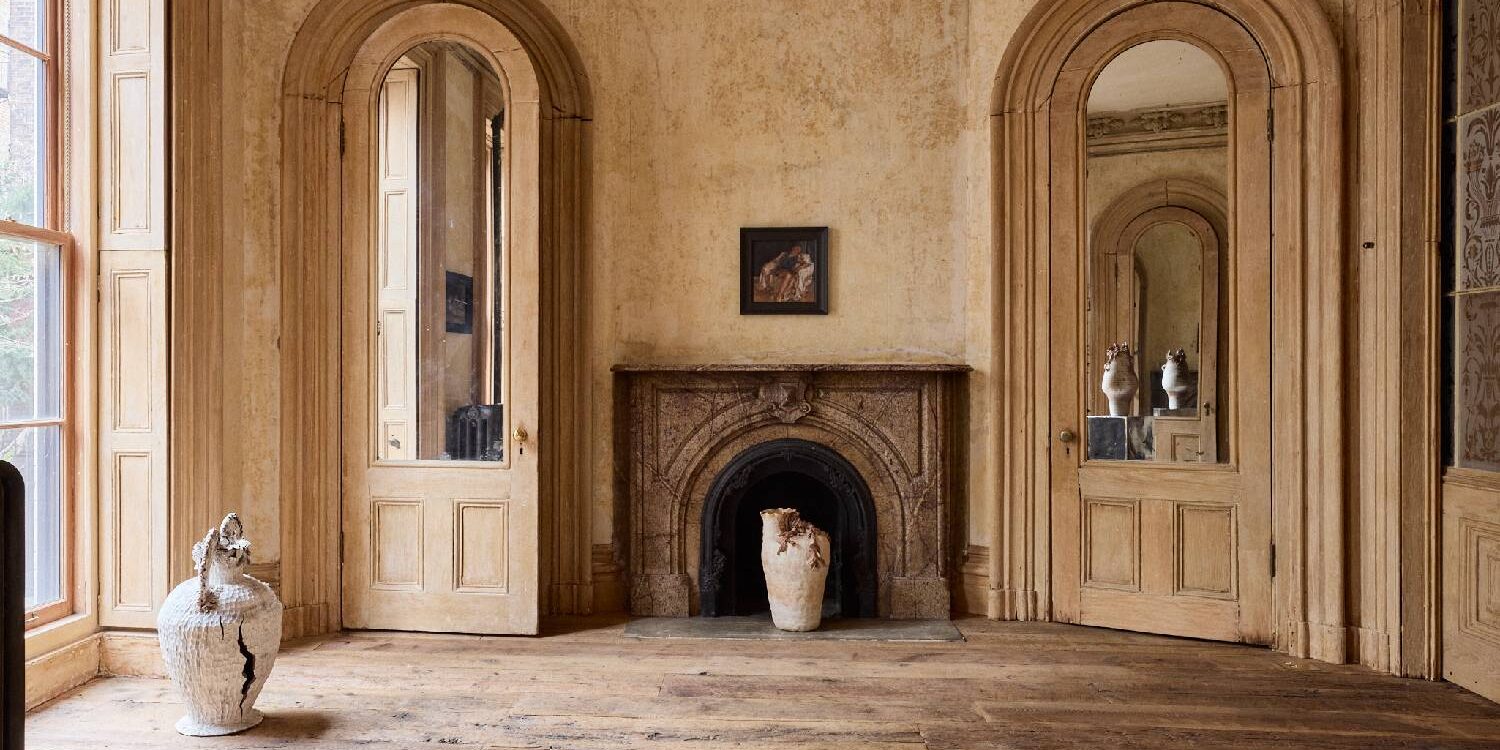
As modern-day gallerists and art dealers step away from the traditional white-cube art venues, unconventional architectural spaces are earning recognition as the new venues for object and visual art representation. The shift toward extraordinary, unique, and non-standard structures is now reshaping the global art scene, defining the evolutionary path taken by these influential culture curators.
Historically, the ‘white cube’ has been considered the most suitable environment for the display of art. The model originated in the modernist era, promoting a sterile, non-distracting backdrop that emphasizes the artwork. However, in recent years, many prominent gallerists have been moving away from this sterile form, driven by a desire for the architecture of their galleries to serve not only as a backdrop but also play an active role in enhancing the artwork.
One of these pioneers is David Zwirner, a leading contemporary art dealer who recently announced plans to rank down his existing gallery on 19th Street, Chelsea, New York. The plan is to replace it with a new building, designed by Renzo Piano, the mind behind major architectural landmarks like the Centre Georges Pompidou in Paris and The Shard in London.
Piano’s new design is conceived as an innovative architectural structure aimed to inspire artists and upgrade the viewer’s experience. It points to a new age where the artwork and the space housing it synergistically interact, thereby revamping how we perceive art.
Another striking example is the Garage Museum of Contemporary Art in Moscow, Russia, designed by Rem Koolhaas, a Pritzker Prize-winning architect. The museum architecture encapsulates a Soviet-era modernist restaurant, repurposed to display and celebrate contemporary art. It reflects a transition from the standard white cube gallery to a space that evokes history and cultural importance.
Likewise, in Los Angeles, art dealer David Kordansky has transformed an auto-repair shop into a 20,000 square foot gallery. The space, designed by Kulapat Yantrasast, has also eschewed the classic white cube aesthetic.
“Architectural translation of a gallery space may act classically as a neutral ground, a ‘white cube’, or contrary become an integral part of the art display,” says Yantrasast. “For Kordansky’s gallery, we opted for the latter approach, thereby achieving transformative harmony between the artwork and its surrounding environment.”
This trend of unique, characterized gallery spaces isn’t confined within the borders of the United States and Europe. In Africa, gallerist Maria Varnava has traded a classic white cube space for a colorful, lively outward expression of African creativity within Tiwani Contemporary, London.
In Asia, Paradise City’s Art Space 1 in South Korea, designed by international architectural firm Uufie, has chosen an unconventional architectural form over the white cube. The building’s mirrored exterior reflects the sky, symbolizing a canvas that changes over time, aligning perfectly with the transient, dynamic nature of contemporary art.
The phenomenon of evolving architectural spaces has brought an avant-garde approach to viewing art. By challenging the status quo, these gallerists are ensuring that the space displaying art is not just a peripheral scenario, but becomes part of the experience.
In shifting the paradigm from a standardized white cube to an interactive architectural structure, the pioneering gallerists are inviting a revolution in the world of art. Although the change has just begun, the art world is watching keenly. The trend suggests that art spaces are moving towards a more intriguing, engaging environment that respects the past and embraces the future, making each visit a unique cultural experience.
The shift from white cubes to unconventional architecture represents a significant evolution of artistic expression and outreach. This global trend reveals the growing importance of gallery spaces, not just as passive venues for artwork display, but as interactive environments that augment the overall artistic experience. By trading white cubes for unconventional architecture, these gallerists and their architects are setting a new direction that encourages innovative interplay between art, space, history, and viewers.
Original Source: https://www.artsy.net/article/artsy-editorial-meet-gallerists-trading-white-cubes-unconventional-architecture


