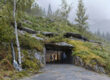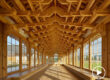

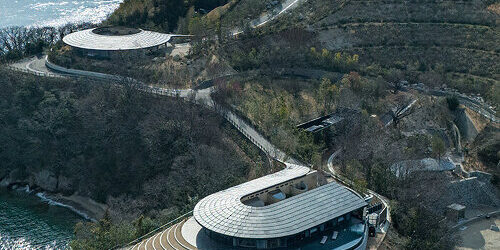
Esteemed architectural firm Bjarke Ingels Group (BIG) has accomplished a new architectural design marvel in Japan. The firm recently completed the construction of three villas for NOT A HOTEL, a unique boutique property located in Ehime Prefecture. These singularly distinctive accommodations are crafted from ‘rammed earth’, an ancient construction technique that utilizes natural raw materials.
BOT A HOTEL is a new breed of tourist accommodation, providing guests with an intimate connection to the surrounding local culture and environment. The ambitious architectural project is located amid the scenic beauty of Japan’s countryside. Bjarke Ingels Group, a Danish architecture firm known for its daring innovations and unique projects worldwide, was chosen to bring this ambitious vision to life.
The newly completed trio of villas, hideaway style residences, combines innovative architectural methods with local tradition and nature. Each of the villas is composed of rammed earth, a natural building technique involving the compression of raw earth into a solid structure. This method not only has environmental advantages, but it also offers a unique aesthetic that dovetails seamlessly with the idyllic panorama of Ehime Prefecture.
According to BIG, these villas are “sculpted from the terrain itself similar to the process of excavation or artistic sculpturing”. The firm credits their design inspiration to a combination of Japanese traditional archetypes and the breathtaking local geography.
“These walls are as old as human habitation but are also incredibly relevant for sustainable and environmental construction,” shared BIG partner Jakob Lange. The rammed earth technique has a robust historical presence in many cultures worldwide and has recently experienced a resurgence as a sustainable and environmentally-friendly building method.
Each of the three villas has its unique layout and character, yet all of them resonate with the charm of natural materials and grand views of the surrounding countryside. Two of the villas feature the exclusive river view while the third one treats its dwellers with splendid mountain panoramas.
The construction of these villas comprises locally sourced soil in a bid to minimize the project’s carbon footprint. By using rammed earth techniques, BIG also strengthened the natural insulation capabilities of the buildings, thus reducing the energy required for heating and cooling over their lifecycle.
These earth-wall residences are the latest addition to an array of remarkable projects completed by BIG. Their formidable portfolio of projects includes the incredible twisted towers in Miami and the carbon-neutral city project in Saudi Arabia.
This project not only showcases an exciting amalgamation of modern architecture and ancient building techniques but also establishes an epitome of sustainable design. The completion of these eco-friendly, aesthetically captivating villas sets a new benchmark for sustainable tourism accommodations.
The story gained traction on various architecture, design, and travel publications online, along with a significant number of shares on social media platforms. Architectural Digest, Dezeen, and Travel + Leisure have all featured coverage of the beautiful rammed earth villas, while Instagram and Twitter users have shared their admiration for the fusion of ancient techniques with modern architectural design principles.
The initial online reviews and reactions to these unique accommodations have been overwhelmingly positive, praising both innovative design and respect for the surrounding natural landscape. In addition, the project has stirred substantial interest in rammed earth construction as a sustainable and visually appealing building technique.
This milestone by Bjarke Ingels Group amplifies the dialogue around sustainable architecture and invites us to re-evaluate our understanding of habitable spaces. In the context of an ever-increasing need for sustainability in architecture, the completion of these three villages for BOT A HOTEL might very well represent a crucial turning point.
Today’s successful melding of ancient techniques and modern design offers a blueprint for sustainable architecture’s future and amplifies the power of human innovation when guided by respect for our natural world.
Original Source: https://www.designboom.com/architecture/bjarke-ingels-group-big-three-rammed-earth-villas-notahotel-japan/