
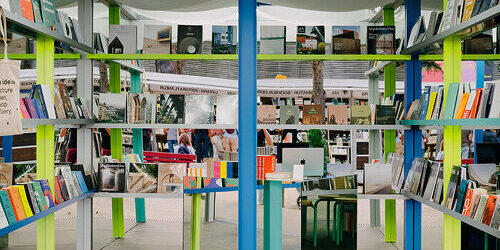
In an ingenious movement towards sustainable innovation, Fala, a Porto-based architectural studio, repurposes discarded metal into an increasing system of mirrored, color-coded grids. This transformative project injects vigor and color into the urban spaces while redefining waste management and creativity.
Fala embarked on this project by accumulating leftover metal from various construction and demolition sites. With this material, they created a grid system that reinvents itself through the introduction of mirrors. These mirrors – strategically incorporated within the grids – give the appearance of new structures multiplying. The resulting design is a mesmerizing, everchanging spectacle of color and form.
The grid structure provides an ideal canvas to communicate information through its color-coding system. In this case, each color represents a different type of metal, enhancing the vibrancy of the structure and the diversity of the material components. It also enables a clear visual representation of the waste materials transformed from trash into a functional and aesthetic installation.
Evoking both simplicity and complexity, this creation breathes new life into discarded building materials. The use of mirrors generates a visual illusion of multiplying structures, reinforcing the idea of exponential growth and constant evolution. Each mirror reflection represents a potential new structure, symbolizing continued sustainability and adaptation.
Fala’s approach to repurposing metal echoes global conversations on sustainability, emphasizing the critical need for a shift towards greener and more sustainable practices in all industries, not only in architecture. Their innovative use of discarded material sparks inspiration for others to follow suit, ensuring that waste reduction and recycling can become mainstays in the world of design and beyond.
The studio’s founders, Filipe Magalhães, Ana Luisa Soares, and Ahmed Belkhodja, refer to their approach as ‘naive architecture.’ This tunnel-vision dedication to exploring new horizons and treading uncharted territories within the architectural domain has gained them significant acclaim. The mirrored grid project reflects this ethos and stands as a testament to their pursuit of unconventional architectural solutions.
The structure’s location in Porto marks the newest addition to the city’s bustling art scene. Known for its vibrant history and artistic flare, the city offers the perfect backdrop to this invigorating installation. The color-coded grid attracts an array of visitors, including curious locals and awestruck tourists.
Online response to the project has been overwhelmingly positive, with social media platforms abuzz with pictures, videos, and praise. Many viewers applaud Fala’s design for its innovative approach to waste materials, while others express admiration for the work’s striking visual appeal.
Critics have equally praised the project, lauding its clever use of material, color, and illusion. They commend the architects for rebelling against the norm and creating a piece worthy of global attention. Design blogs and architectural journals feature the project, promoting dialogue around resourceful use of materials and showcasing the creation’s unique capabilities.
Witnessing its success, the question arises: what might Fala’s project inspire in other architects, engineers, and designers? Many hope it will spark a broader movement towards sustainable practices in architecture and an increased emphasis on the potential of repurposed materials. There appears to be significant potential to impact both urban aesthetics and environmental policymaking.
The mirrored metal grid in Porto demonstrates the endless possibilities for innovation when the boundaries of design thinking are pushed to their limit. Through its creative use of mirrors, color, and discarded material, the project provides an extraordinary insight into the future of urban design – one that repurposes waste into works of art and breathes new life into urban spaces.
Original Source: https://www.designboom.com/architecture/falaatelier-leftover-metal-color-coded-grid-mirror-porto/