

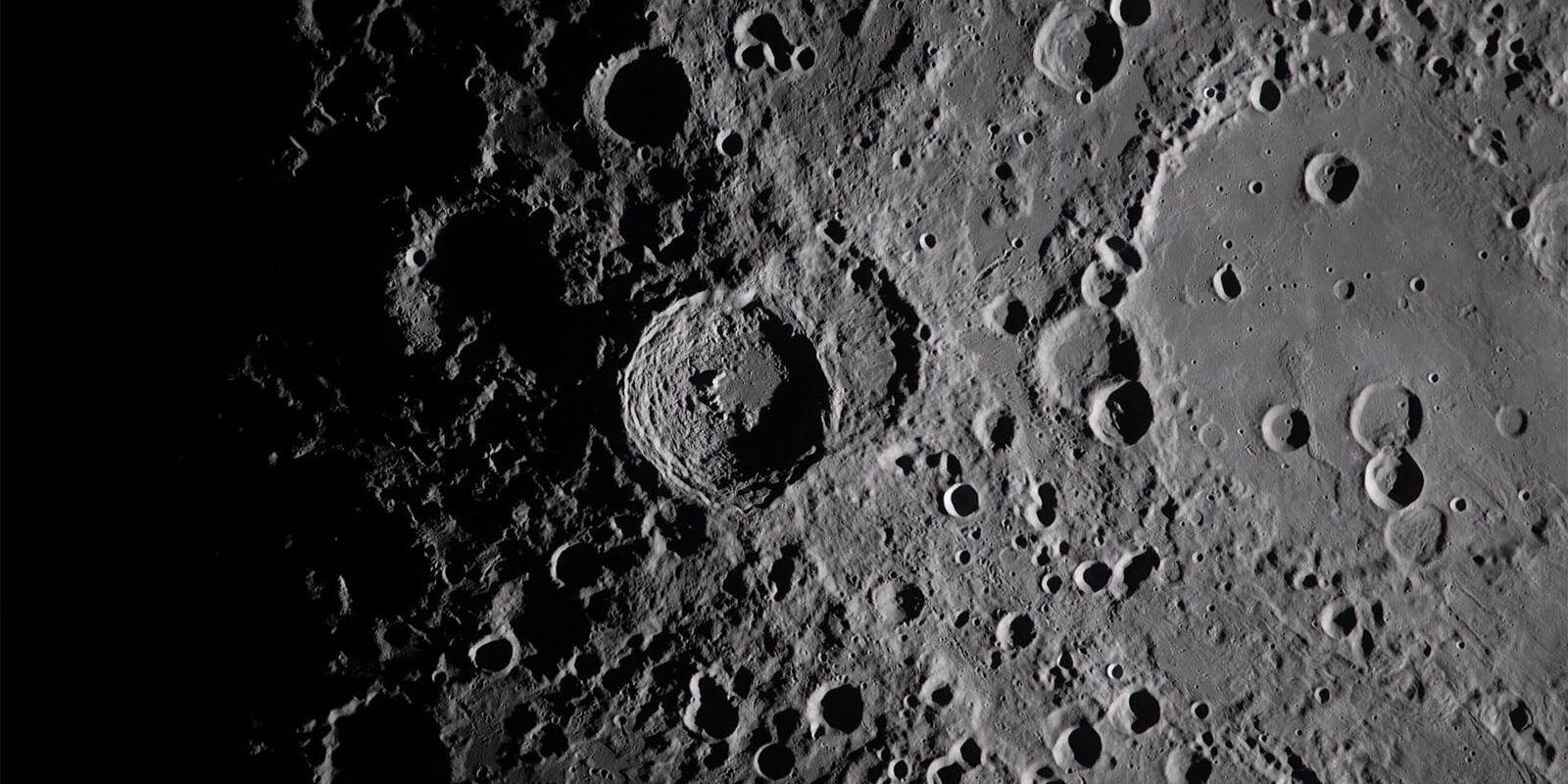
The crew aboard NASA’s Artemis II mission made a remarkable discovery during their historic flyby of the Moon: they witnessed meteorites impacting the lunar surface. This unexpected event, occurring just days after their mission launched from Earth, not only adds to our understanding of the Moon’s environment but also showcases the potential hazards future lunar missions might face.
What happened
While the Artemis II spacecraft was on its trajectory around the Moon, astronauts experienced a rare visual spectacle. As they navigated the dark expanses of space, several small meteorites struck the Moon’s surface, creating visible flashes near the terminator—the line that divides the day and night sides of the Moon. Astronaut Jeremy Hansen, part of the four-member crew, described the experience as “once-in-a-lifetime,” highlighting how these striking impacts were visible from their vantage point in space.
The performance of the Artemis II mission, which is a test flight paving the way for future lunar landings, included live feeds of these events back to Mission Control, giving scientists and agencies a real-time look at the lunar surface’s behavior. The mission marked an important technical step after the Artemis I uncrewed flight, focusing on human operations and exploration capabilities.
Why it matters
Understanding the impact dynamics and the frequency of meteoric strikes on the Moon’s surface is crucial for future lunar exploration. Each meteorite impact provides scientists with data about the Moon’s geological makeup and ongoing processes. These insights are particularly important as NASA plans to establish a permanent human presence on the Moon under the Artemis program. The ability to identify hazards during missions will improve safety protocols for astronauts during future landings and surface operations.
Moreover, witnessing these impacts firsthand also allows for a deeper analysis of the lunar environment, which is often described as a “noisy” and less predictable space compared to Earth. With ongoing lunar exploration efforts, this added knowledge helps refine models of meteorite activity, informing future designs and strategies for beyond-LEO (Low Earth Orbit) missions.
What comes next
As the Artemis II mission progresses, NASA will continue to analyze the data collected during the flyby, particularly focusing on event documentation and the implications of the meteorite observations. The crew’s experience will also be invaluable in refining training programs and mission protocols for subsequent Artemis missions.
Following this historic flight, Artemis III is slated for a potential crewed landing on the Moon, including a return to the lunar South Pole. As NASA builds upon these flyby experiences, the focus will remain on enhancing mission safety and crew readiness, with an eye toward longer stays on the Moon and eventual missions to Mars. Future observations of the lunar environment, coupled with advancements in technology, will be critically important as humanity aims to expand its reach beyond Earth.
Original Source: https://petapixel.com/2026/04/09/artemis-ii-crew-witnessed-meteorites-hitting-the-lunar-surface-during-flyby/


