

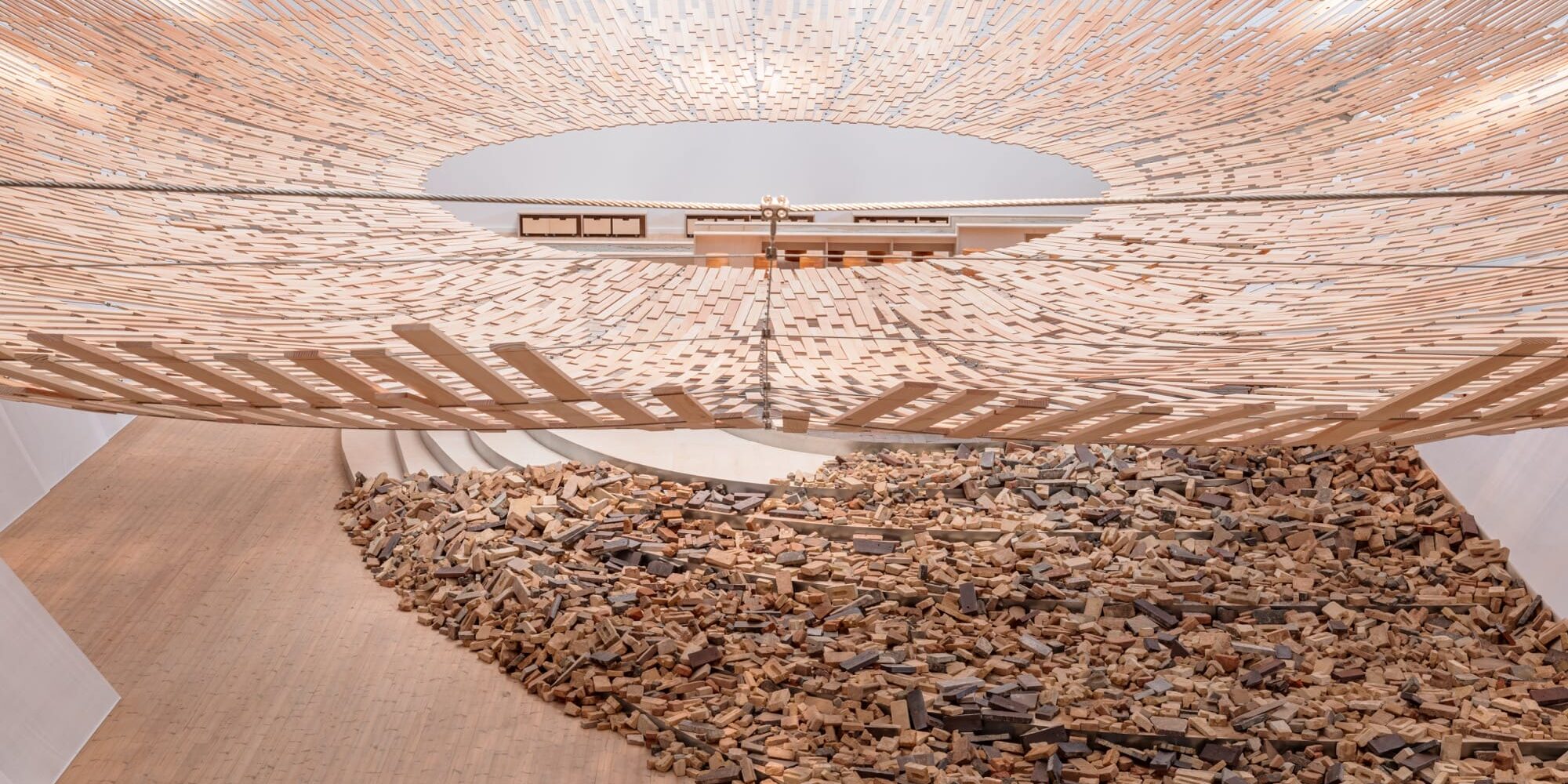
A striking wooden canopy designed by renowned architect Kengo Kuma has recently been unveiled at the Copenhagen Museum, casting a delicate interplay of light and shadow throughout the space. This development not only enhances the museum’s architectural landscape but also invites visitors to engage with the environment in a fresh, dynamic way. The installation, which incorporates traditional Japanese crafting techniques along with contemporary design principles, aims to create a serene atmosphere amidst the urban backdrop.
What happened
The new canopy, made primarily of sustainably sourced timber, features intricate latticework that filters sunlight in a manner reminiscent of sunlight streaming through forest trees. Officially opened last week, the installation symbolizes a fusion of nature and architecture, designed to harmonize the indoor experience with the outdoors. Visitors to the Copenhagen Museum can now enjoy enhanced gallery spaces that reflect a natural rhythm, encouraging a contemplative engagement with the art on display.
As Copenhagen continues to embrace innovative architectural solutions, this canopy serves as a testament to the city’s commitment to sustainability and environmental consciousness. Kuma’s design was developed over several months through close collaboration with local artisans and environmental consultants, ensuring that the project aligns with the museum’s mission to promote ecological awareness.
Why it matters
Architectural installations like Kuma’s canopy are significant as they offer a fresh perspective on how public spaces can be designed to enhance user experience while contributing positively to the environment. The meticulous design invites tactile interaction and a sense of connection to nature, which is often sacrificed in modern urban landscapes. As cities grow and cultural institutions adapt, such projects illuminate the potential for architecture to be both functional and poetic, bridging the gap between the built environment and the natural world.
Moreover, the use of renewable materials emphasizes an essential shift in architectural practices towards sustainability. Increasingly, architects are challenged to consider their ecological footprint, crafting building elements that not only serve aesthetic purposes but also contribute to the conservation of our planet’s resources. This canopy stands as a model for future projects that advocate for both beauty and responsibility.
What comes next
Looking ahead, the museum plans to complement the canopy with a series of exhibitions focused on sustainable practices in art and architecture. These initiatives will seek to educate visitors about the importance of sustainability, showcasing eco-friendly materials, methods, and philosophies that can apply across various disciplines. Additionally, the museum’s leadership has indicated an interest in developing workshops that harness local craftsmanship, thus cultivating community engagement and further blurring the lines between art, architecture, and environmental stewardship.
This project also positions Copenhagen as a leader in innovative architectural design, potentially attracting international attention from architects and designers seeking to learn from Kuma’s approach. As interest in sustainable architecture continues to grow, the museum’s installation is likely to serve as a focal point for discussions around the importance of integrating nature into urban settings. Watching how both the museum and the broader architectural community respond to this new installation will be key in the coming months.
Original Source: https://www.thisiscolossal.com/2026/04/kengo-kuma-earth-tree-copenhagen/


