
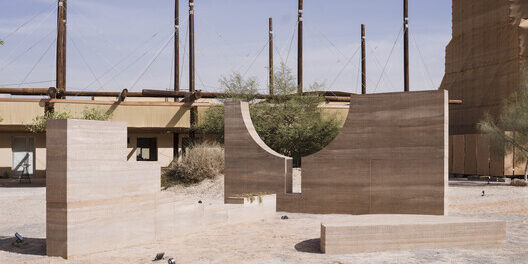
Indigenous building materials, particularly those derived from earth, are gaining renewed attention for their sustainability and energy efficiency. Recent initiatives are aiming to revive this ancient craft as a viable alternative to conventional construction methods.
What happened
Across the globe, particularly in indigenous communities, traditional building techniques using rammed earth, adobe, and cob are experiencing a renaissance. These materials, long overlooked in favor of concrete and steel, offer unique benefits not only in terms of aesthetic appeal, but also in sustainability. The most significant factor driving this movement is the growing awareness of the environmental impact of modern construction practices.
In the past decade, organizations and architects have begun to prioritize eco-friendly materials. The “Earth Building” movement emphasizes the revival of these techniques, often incorporating modern technology for better performance while retaining their original essence. Workshops and educational programs are being organized to teach these methods to new generations, ensuring that the knowledge does not disappear.
What it means for readers
For homeowners and builders, the rise of indigenous earth-based materials presents a series of advantages. First, these techniques significantly reduce carbon footprints, which is crucial in an era of climate change. Buildings constructed using rammed earth and similar materials often require less energy for heating and cooling, thanks to their natural thermal properties. This can lead to substantial savings on utility bills over time.
Furthermore, there is a growing movement toward ethical construction practices. Using local materials supports community economies and helps preserve cultural heritage. Homebuyers are increasingly looking for properties that reflect a commitment to sustainability, making earth-based homes an appealing choice in the real estate market.
What happens now
The incorporation of earth-based building materials into modern architecture is still facing challenges, such as building codes and regulations that favor conventional materials. Advocacy groups and forward-thinking architects are working to change this, pushing for new standards that recognize and endorse the use of indigenous materials. As awareness grows, more architects are likely to incorporate these techniques into their designs.
Readers interested in sustainable building methods should consider exploring local resources or educational events. Engaging with local builders who specialize in earth-based materials can provide invaluable insights into cost-effective, eco-friendly building options.
Ultimately, reviving indigenous earth-based materials is not only about preserving tradition but also about tackling today’s pressing environmental issues. By prioritizing these techniques, we can foster a more sustainable future and enrich our communities.
Original Source: https://www.archdaily.com/1040348/elevating-earth-reviving-and-advancing-an-indigenous-building-material