

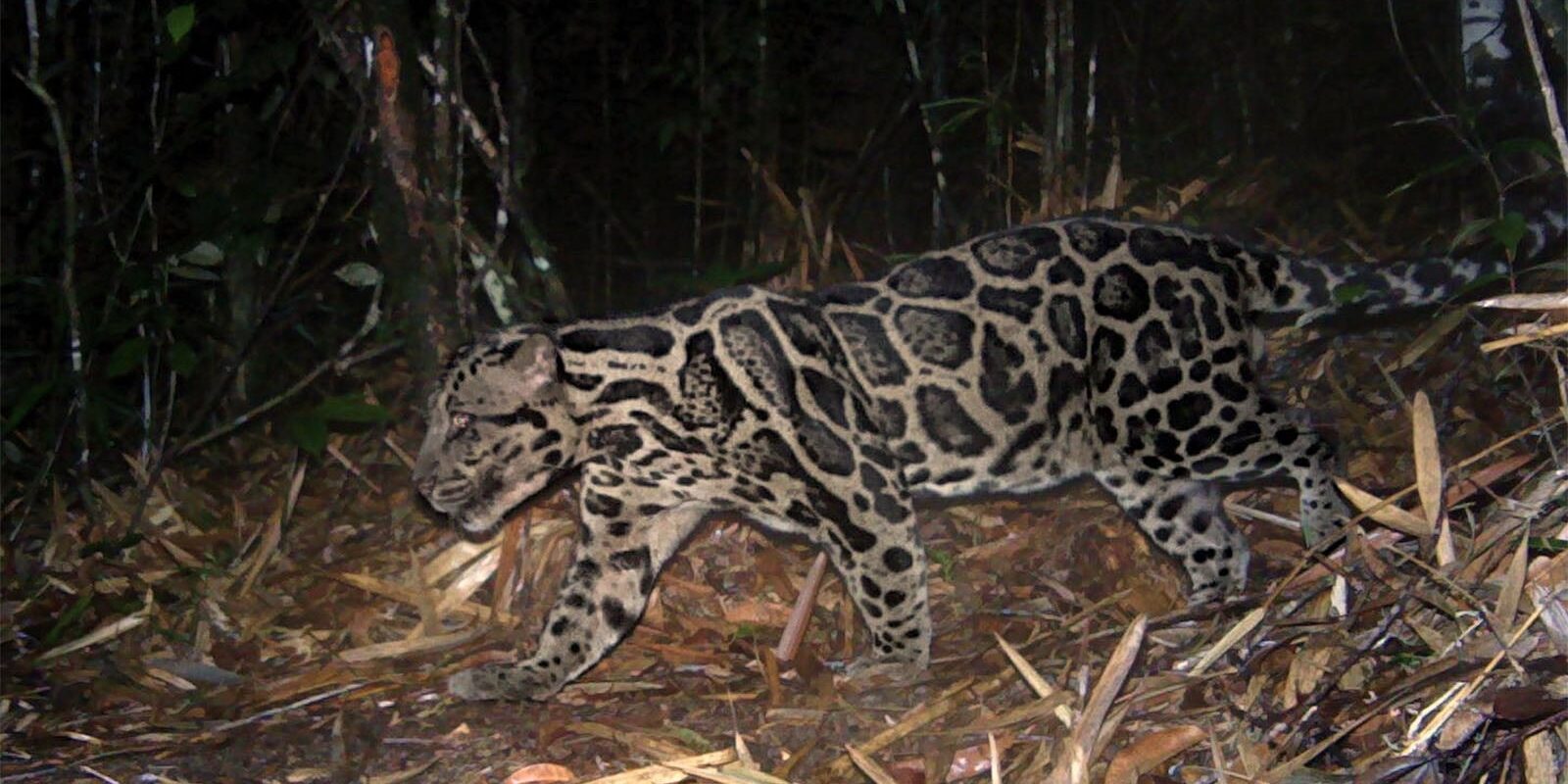
In a groundbreaking study, researchers have successfully tracked a single clouded leopard in Southeast Asia for six continuous years using remote cameras. This remarkable achievement not only sheds light on the elusive behavior of these magnificent felines but also provides crucial insights into the conservation of their habitats.
What happened
The clouded leopard, a medium-sized wild cat known for its striking coat and arboreal habits, has long been shrouded in mystery due to its rare sightings and elusive nature. Researchers initiated this long-term study in the forests of Borneo, employing a series of remotely activated cameras spread across a wide area. By tagging a single leopard, they collected extensive data on its movements, hunting patterns, and interactions with other species.
Over the course of the study, scientists captured thousands of images, allowing them to monitor not only the leopard’s activities but also its response to environmental changes. This detailed tracking opened up new avenues for understanding the species’ role within its ecosystem and the myriad challenges it faces, from habitat loss to poaching.
Why it matters
The implications of this six-year study extend beyond the clouded leopard itself. Given its position as a keystone predator, maintaining healthy populations of clouded leopards is critical for the ecological balance of their rainforest habitats. The data gathered can help inform conservation strategies aimed at protecting these areas from deforestation and other human-induced pressures.
Clouded leopards are classified as vulnerable, and their populations continue to decline primarily due to habitat degradation and hunting. By closely monitoring one individual, researchers gained valuable insights into how these cats navigate complex landscapes, find prey, and avoid threats. Understanding these behavioral patterns can enhance the effectiveness of conservation initiatives, ensuring that they are tailored to the specific needs of the species.
What comes next
Looking forward, the research team plans to deepen their understanding of clouded leopard populations across Southeast Asia. Future studies aim to expand monitoring efforts to include multiple leopards in different regions, offering a more comprehensive picture of the species’ ecology and conservation needs. Additionally, the findings will contribute to global databases on clouded leopards, guiding international conservation efforts and collaborations.
As researchers continue to analyze the data, they are also seeking to engage local communities in conservation efforts. By raising awareness and involving residents in protecting their native wildlife, there is hope for a sustainable coexistence that benefits both humans and leopards alike. The study underscores the importance of long-term research in wildlife conservation and the need for continued investment in protecting the fragile ecosystems where these majestic animals roam.
The immediate outlook points to a growing collaboration between conservationists, local governments, and communities to implement protective measures based on the study’s findings. With continued efforts and focus on habitat protection, there is a path forward for the preservation of the clouded leopard and its environment.
Original Source: https://petapixel.com/2026/04/12/scientists-followed-a-single-clouded-leopard-on-remote-cameras-for-six-years/


