

What happened
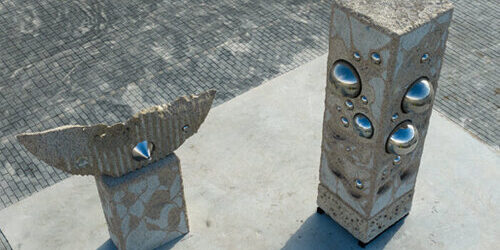
The Tuwaiq Sculpture 2026 project recently unveiled its ambitious initiative to transform monumental stone sculptures into interactive urban tools. Curated by a team of international art professionals, the project aims to enhance public spaces in Riyadh, Saudi Arabia, while fostering community engagement. The sculptures, crafted from locally-sourced stone, will serve not just as aesthetic landmarks but also as functional elements designed to facilitate social interactions and environmental sustainability.
The goal of the Tuwaiq Sculpture project is to make art accessible and relevant to everyday life. The curators have collaborated with local artists and architects to design pieces that will not only beautify the urban landscape but also encourage community gatherings, leisure activities, and cultural dialogues. By integrating artistic expression with urban planning, the project seeks to redefine how inhabitants relate to their environment.
What it means for readers
For residents and visitors of Riyadh, Tuwaiq Sculpture 2026 signals a shift in how art is perceived in public spaces. Gone are the days when monumental sculptures were static and detached from daily life. This initiative invites a participatory approach where the public can interact with art in meaningful ways—whether through seating arrangements embedded within sculptures, interactive exhibits, or spaces designed for community events.
Moreover, the curatorial team emphasizes sustainability, with materials sourced in a responsible manner and sculptures designed to endure the local climate. For readers, this project represents a broader movement in urban development towards environments that prioritize communal well-being and ecological responsibility. Those interested in art, architecture, or urban planning will find inspiration in how Tuwaiq Sculpture aims to create vibrant spaces that cater to diverse audiences.
What happens now
As the project progresses, further community workshops will be held to involve locals in the design and implementation phases. This engagement is vital, as it not only democratizes the artistic process but ensures that the final works resonate with the cultural fabric of Riyadh. The curators will also employ feedback mechanisms to adapt installations post-completion, thereby keeping the dialogue between art and community alive.
In the coming months, potential visitors to Riyadh can expect to see the first sculptures emerging in public areas, each accompanied by educational programming aimed at enriching the viewer’s experience. New jobs in art and construction will emerge as the project unfolds, contributing to economic growth in the region. Ultimately, the Tuwaiq Sculpture project serves as a pivotal case study in merging art with urban life, demonstrating the capacity of monumental works to become catalysts for social interaction and environmental consciousness.
In summary, the Tuwaiq Sculpture 2026 initiative encourages both locals and visitors to appreciate art as a living component of urban life. As the artwork takes shape, it promises to redefine public spaces not just as passive observatory environments but as dynamic locales for engagement and creativity.
Original Source: https://www.designboom.com/art/tuwaiq-sculpture-2026-curators-urban-monuments-stone-interview/


