

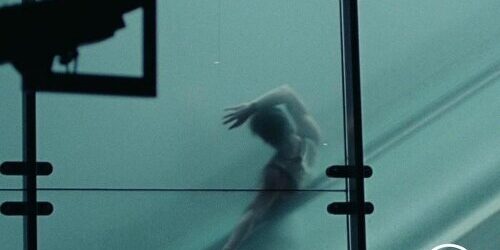
“Silent Embrace,” a thought-provoking film, delves into the intricate relationship between body movement and urban design. Set against the backdrop of a bustling city, the film challenges viewers to reconsider how we navigate and inhabit hostile urban environments through the lens of expressive movement. This unique exploration not only highlights the physical discomfort often experienced in public spaces but also raises essential questions about our connection to these environments.
Background and context
Urban design has long been critiqued for its impact on social interaction and individual well-being. Many public spaces are engineered for efficiency or aesthetic purposes rather than human-centric experience, often disregarding the nuanced needs of the people who inhabit them. Sidewalks that feel cramped, poorly-maintained parks, and inaccessible transit systems can lead to a sense of alienation. Filmmakers and urban theorists alike have noted how these features create hostile environments, particularly for marginalized communities.
“Silent Embrace” taps into this discourse, utilizing dance as a medium to express frustration, resilience, and hope. The film features a diverse cast of dancers who, through their movements, articulate a silent yet powerful narrative about the struggles faced in urban settings. Choreographer Lydia Torres notes that the film attempts to capture the essence of human experience in space, emphasizing how our bodies react to the constraints imposed by the city. “Every movement tells a story,” she said during a recent interview. “We wanted to express that through the art of dance.” With intricate choreography set against an urban backdrop, the film juxtaposes freedom of movement with the rigidity of architectural design.
Latest developments
Since its premiere at the Manhattan Film Festival last month, “Silent Embrace” has sparked conversations about the need for more inclusive urban planning. City officials and planners have expressed interest in the themes presented in the film, with some suggesting that it could serve as a catalyst for community engagement on these issues. Following screenings, panel discussions have been organized to explore how dance and performance art can become vehicles for social change in urban settings.
In an unexpected twist, the film has also inspired a series of workshops aimed at helping community members explore their own relationship with urban spaces through movement. These sessions encourage participants to express their feelings toward the environments they inhabit, fostering a greater understanding of the physical and emotional struggles many experience. Local arts organizations have stepped in to provide funding, making these workshops accessible to a wider audience.
What to watch next
Similar themes are being explored in various arts and urban advocacy initiatives across the country. For viewers captivated by “Silent Embrace,” upcoming documentaries such as “Concrete Dreams” and performance art events like “Movement Matters” tackle the complexities of urban life and individual expression. Moreover, filmmakers and choreographers are increasingly collaborating to develop projects that highlight the tension between human movement and urban form. These works promise to not only entertain but also provoke thoughtful dialogues about how our cities can evolve to support more compassionate, inclusive environments.
As “Silent Embrace” continues to resonate within both artistic and civic realms, it serves as a powerful reminder of the transformative potential art holds in reshaping our relationship with the spaces we inhabit.
Original Source: https://www.designboom.com/art/silent-embrace-film-exploration-body-movement-hostile-urban-design-luuk-walschot/


