

Key details
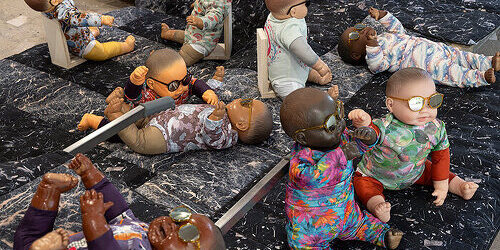
At the Japan Pavilion of Expo 2025, visitors are greeted with a unique art installation crafted by artist Ei Arakawa-Nash, featuring 208 animated baby dolls. This immersive display uses cutting-edge technology to animate the figures, creating a dynamic and playful atmosphere that invites interaction. Each doll represents varying expressions and movements, exploring themes of nurturing, care, and the human experience.
Arakawa-Nash’s installation is notable not just for its artistic merit but also for its thoughtful approach to significant societal themes. The dolls rotate and shift, giving life to the concept of caregiving, an often-overlooked aspect of daily life. As part of Japan’s participation in Expo 2025, the pavilion aims to engage global audiences and foster a dialogue about issues surrounding caregiving in contemporary society.
Why this matters
The choice to animate baby dolls as symbols of care holds deeper implications, especially in an era where the value of caregiving is increasingly recognized. Globally, there is a growing conversation about the importance of nurturing roles, many of which are often relegated to the private sphere and unacknowledged. By presenting this playful yet poignant installation, Arakawa-Nash is prompting visitors to reflect on the labor and emotional energy that goes into caregiving, emphasizing its necessity in human relationships and community building.
Furthermore, the use of technology in transforming static figurines into moving representations serves to highlight the intersection between art and modern techniques. This approach resonates particularly well in today’s digitized world, making a strong statement about how personal connections can be translated through both traditional and contemporary mediums. The installation not only captivates through visual aesthetics but also invites emotional engagement, pushing audiences to consider how technology can be intertwined with care and empathy.
Broader picture
Arakawa-Nash’s work is reflective of broader trends in contemporary art that seek to engage with pressing social issues, particularly the understanding and appreciation of caregiving. By showcasing this installation during Expo 2025—which draws millions from around the globe—the artist contributes to an evolving narrative around cultural identity, emotional labor, and communal responsibilities. In a post-pandemic world where the mental and emotional toll of isolation has prompted renewed discussions on care, this installation resonates with current sentiments and societal values.
As countries navigate the complexities of caregiving in an interconnected world, Arakawa-Nash’s installation serves as a gentle reminder of the human spirit’s need for connection and care. Through playful animation, the project uncovers deeper meanings, urging individuals and societies to foster environments where care is celebrated and recognized as fundamental to our shared existence. Ultimately, the Japan Pavilion, through this innovative endeavor, not only showcases artistic brilliance but also captures the very essence of what it means to nurture and cherish the bonds that tie us together.
Original Source: https://www.designboom.com/art/208-baby-dolls-japan-pavilion-ei-arakawa-nash-playful-ode-care-venice-art-biennale-2026/


