

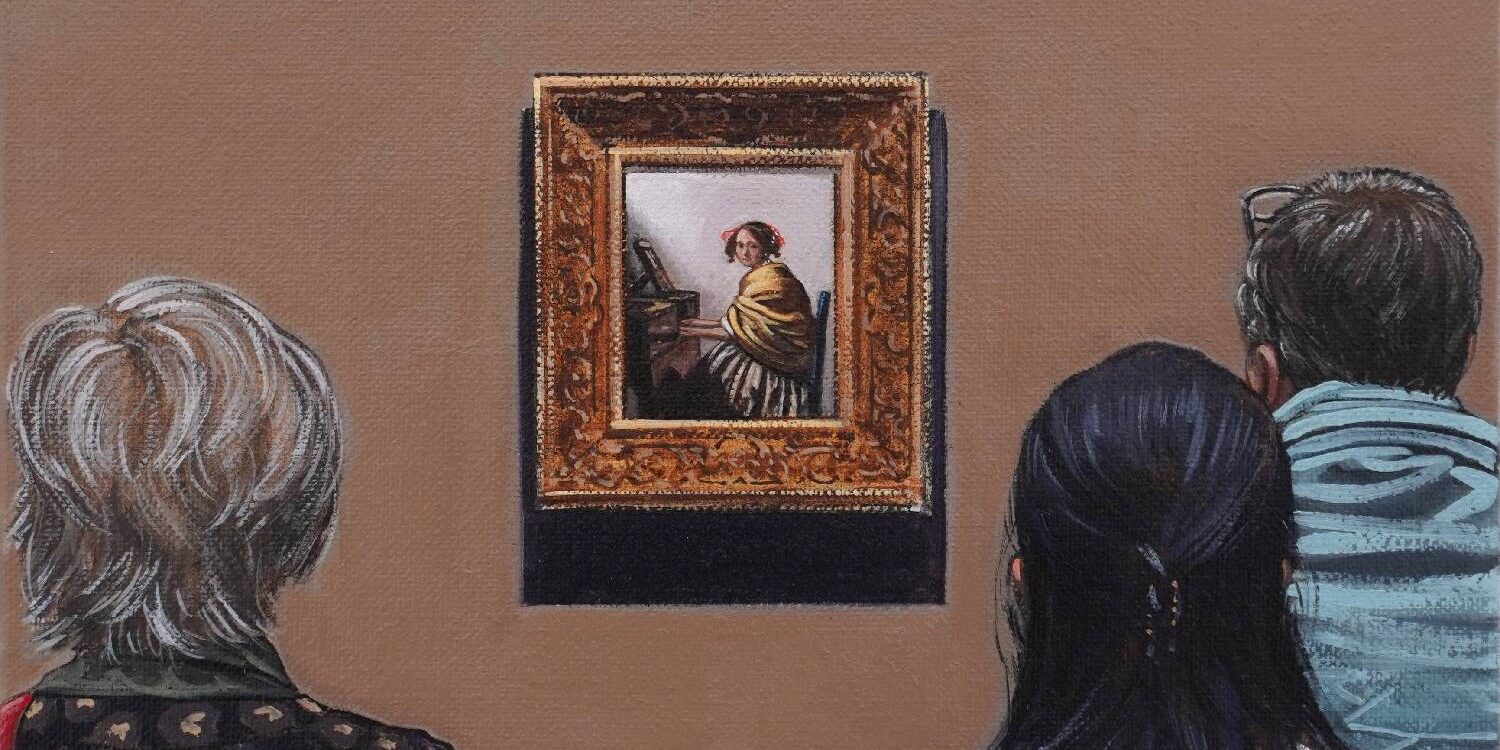
Psychologists emphasize the profound benefits of engaging with art for mental well-being. As people seek better coping mechanisms amid the stresses of modern life, understanding how to experience these benefits effectively has become more important than ever.
Background and context
The connection between art and mental health has roots that go back centuries. From the therapeutic practices of the ancient Greeks to modern art therapy, the relationship has been well-documented. Art serves as a vehicle for self-expression, allowing individuals to process emotions, reflect on experiences, and build resilience.
Research has shown that engaging with art—whether through creating, viewing, or discussing it—can lead to lower levels of anxiety and depression. Studies conducted by various mental health organizations have found that even small doses of art appreciation can significantly improve mood and cognitive function. These effects are attributed to several factors, including increased dopamine levels and enhanced mindfulness.
Latest developments
Recent studies underscore the importance of active participation in the arts rather than passive consumption. Psychologists now recommend engaging with art on a deeper level, such as through personal creation or by visiting interactive exhibitions. This shift in focus aims to provide an immersive experience, elevating the emotional and psychological benefits associated with the arts.
In addition, technology has expanded access to artistic experiences. Virtual reality (VR) and augmented reality (AR) now allow individuals to explore art in new, immersive ways, engaging both the mind and body. Consequently, psychologists are increasingly interested in how these technologies may enhance the therapeutic potential of art.
Programs like community art classes and public installations foster social interaction as well, which research shows is essential for enhancing the benefits of art. Collaborative projects not only alleviate feelings of isolation but also promote a sense of belonging, contributing positively to mental health.
What to watch next
As interest in art-based interventions continues to rise, psychologists anticipate a growing emphasis on integrating art into traditional therapy models. Upcoming initiatives may focus on developing standardized programs that utilize artistic practices in clinical settings, aimed at specific populations such as children or individuals recovering from trauma.
Potential developments in technology will also be important to watch. As VR and AR technologies advance, their application in art therapy could expand, offering even more avenues for healing and expression. Future research will likely investigate the efficacy of these interventions compared to traditional methods.
In a time when mental health challenges are increasingly prevalent, understanding and harnessing the benefits of art is critical. As both the scientific community and the public promote the transformative power of creativity, society may be on the brink of a new era where art is recognized as a vital component of emotional and psychological health.
Original Source: https://www.artsy.net/article/artsy-editorial-feel-benefits-art-psychologists


