

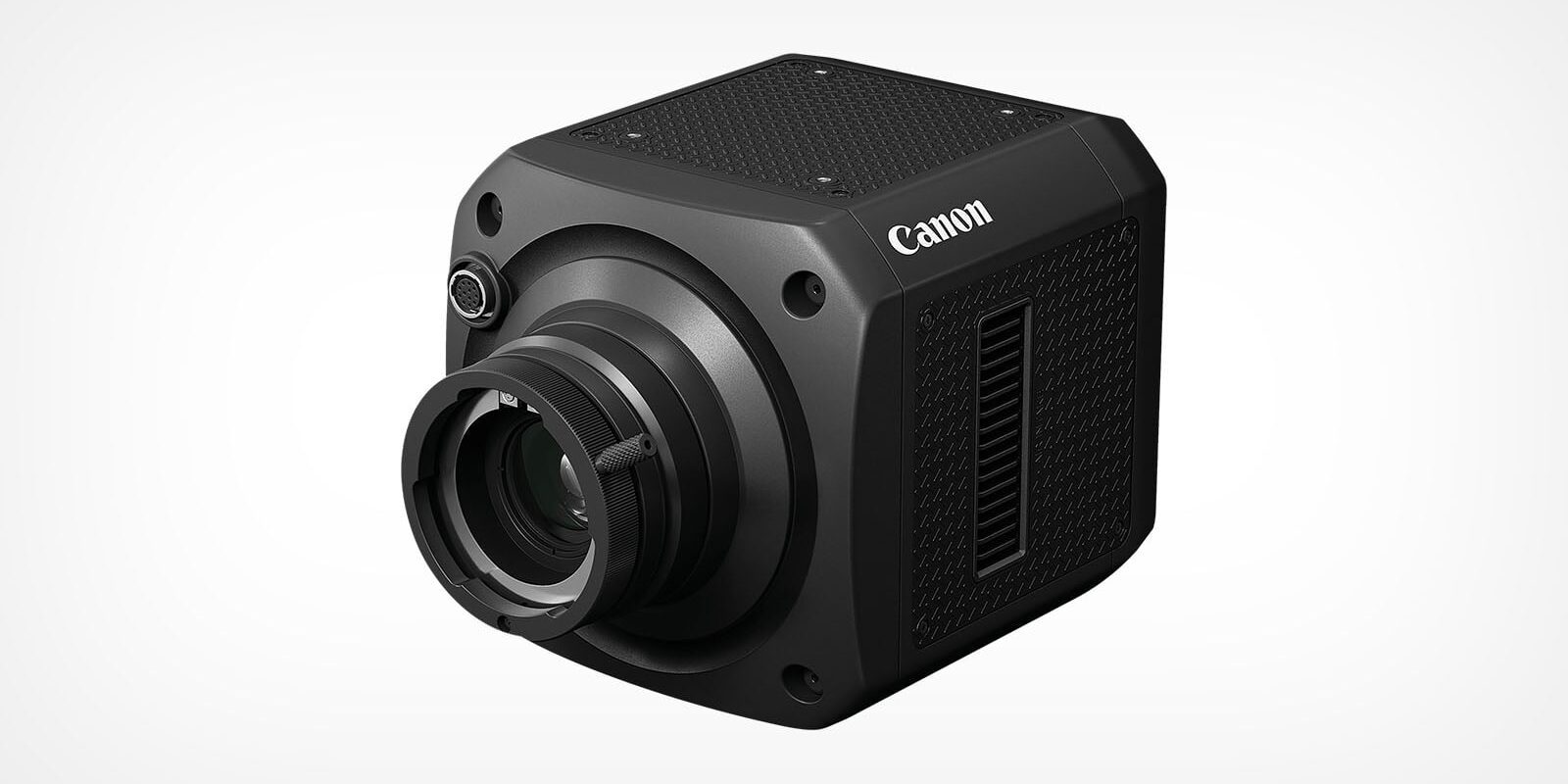
Canon has introduced a groundbreaking industrial camera capable of capturing images in total darkness, a major advancement in machine vision technology. This innovation stands to transform a range of sectors, from security to manufacturing, enhancing visibility where traditional cameras falter.
Latest developments
The new Canon camera employs a specialized sensor that can detect infrared light, allowing it to produce high-quality images in low-light conditions. This technology enables the camera to discern even the slightest details, making it suitable for environments previously deemed too dark for effective surveillance or inspection.
Set to launch in early 2024, the camera is designed with industries in mind that require reliable performance under challenging conditions. Canon anticipates strong demand from sectors that benefit from low-light operations, such as logistics and security, where efficiency and safety are paramount. Early tests show that the camera performs exceptionally well, boasting enhanced resolution and reduced noise, crucial for maintaining image clarity in dim settings.
Background and context
The journey to this technological milestone began with Canon’s involvement in imaging innovation established decades ago. Traditionally, industrial cameras relied on visible light, which poses limitations in various environments. Security and industrial inspection teams have long faced challenges in areas with minimal lighting, such as warehouses, tunnels, or nighttime operations. Existing solutions often required additional lighting, which could be expensive and impractical.
As the demand for advanced surveillance and automated quality control surged, Canon recognized the opportunity to innovate. Previous models showcased impressive low-light performance, but the latest camera’s ability to operate in complete darkness marks a significant leap forward, contributing to a broader vision of smarter, safer industrial settings.
What to watch next
Industry analysts are keenly observing how Canon’s new camera will perform in real-world applications and whether it can effectively replace or augment existing systems. As the early adopters prepare to integrate this technology into their operations, feedback and performance metrics will provide insight into its practical benefits.
Additionally, the response from competitors will be critical. As Canon leads with this unique offering, rival firms may accelerate their research and development efforts in dark vision technology. Industry experts speculate that this could trigger a wave of innovations in machine vision as companies seek to catch up with Canon’s advancements.
In conclusion, Canon’s new industrial camera extends the boundaries of what is possible in low-light imaging. With its potential to improve operational effectiveness across diverse industries, this development not only exemplifies Canon’s commitment to advancing imaging technology but also sets the stage for future innovations in machine vision.
Original Source: https://petapixel.com/2026/04/15/canons-new-industrial-camera-literally-sees-in-the-dark/


