

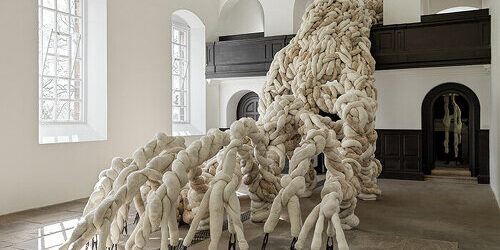
Artist Nicola Turner has made the decision to suspend her installation of wool and horsehair within the 18th-century chapel of St. John the Baptist. This surprising move has triggered a wave of responses across the art community, local residents, and heritage organizations.
Immediate reaction
The announcement of the suspension has ignited a spirited debate among enthusiasts and critics alike. Many supporters of Turner’s work expressed disappointment, viewing the installation as a significant contribution to contemporary art. “It was an opportunity to bridge the past and present,” said local artist Sarah Dunlop. Others, however, have raised concerns regarding the appropriateness of using materials like wool and horsehair in such a historic setting. These contrasting views have catalyzed discussions about the balance between modern artistic expression and the preservation of cultural heritage.
What triggered the move
Turner’s installation aimed to create a dialogue between the materials used and the chapel’s rich history. However, feedback from the local community and stakeholders within the heritage sector appeared to be the catalyst for her decision. Critics argued that the installation could risk compromising the chapel’s integrity, with a particular focus on concerns regarding the treatment of the historical fabric. Turner has cited the importance of community engagement in her work, stating that the pause will allow her to reassess the project’s impact and address any apprehensions regarding its execution.
Representatives from the local heritage committee, who had expressed reservations early on, welcomed the suspension. They emphasized that careful consideration must be taken when integrating contemporary art with historic structures, given the potential implications for preservation. “Historic buildings deserve to be treated with the utmost respect,” remarked committee chair Alice Brooks. “This pause serves as a necessary reflection on how we can incorporate modern art without jeopardizing our cultural assets.”
Why readers should care
This incident raises broader questions about the intersection of art and history, particularly in an age where modern artists often seek to reinterpret traditional spaces. The decision to pause can be seen as an essential step in fostering dialogue between artists and communities, which is increasingly relevant in discussions surrounding public art and heritage preservation.
Furthermore, the situation reflects wider trends within society as communities grapple with how best to honor their past while embracing innovative forms of expression. For local stakeholders, including government agencies, art organizations, and residents, the implications of this suspension may extend beyond Turner’s chapel project, influencing future endeavors that aim to integrate contemporary art within historical contexts.
In the short term, the suspension marks a need for reassessment, highlighting the importance of collaboration between artists and the communities they engage with. As Turner considers her next steps, the outcome may redefine not only her installation but also the broader conversation surrounding artistic practices in heritage sites. Observers will be watching closely to see how this temporarily halted project might evolve, impacting both the artist’s future works and the historical environment of St. John the Baptist chapel.
Original Source: https://www.designboom.com/art/nicola-turner-wool-horsehair-installation-18th-century-chapel-yorkshire-sculpture-park-ysp/


