

Key details
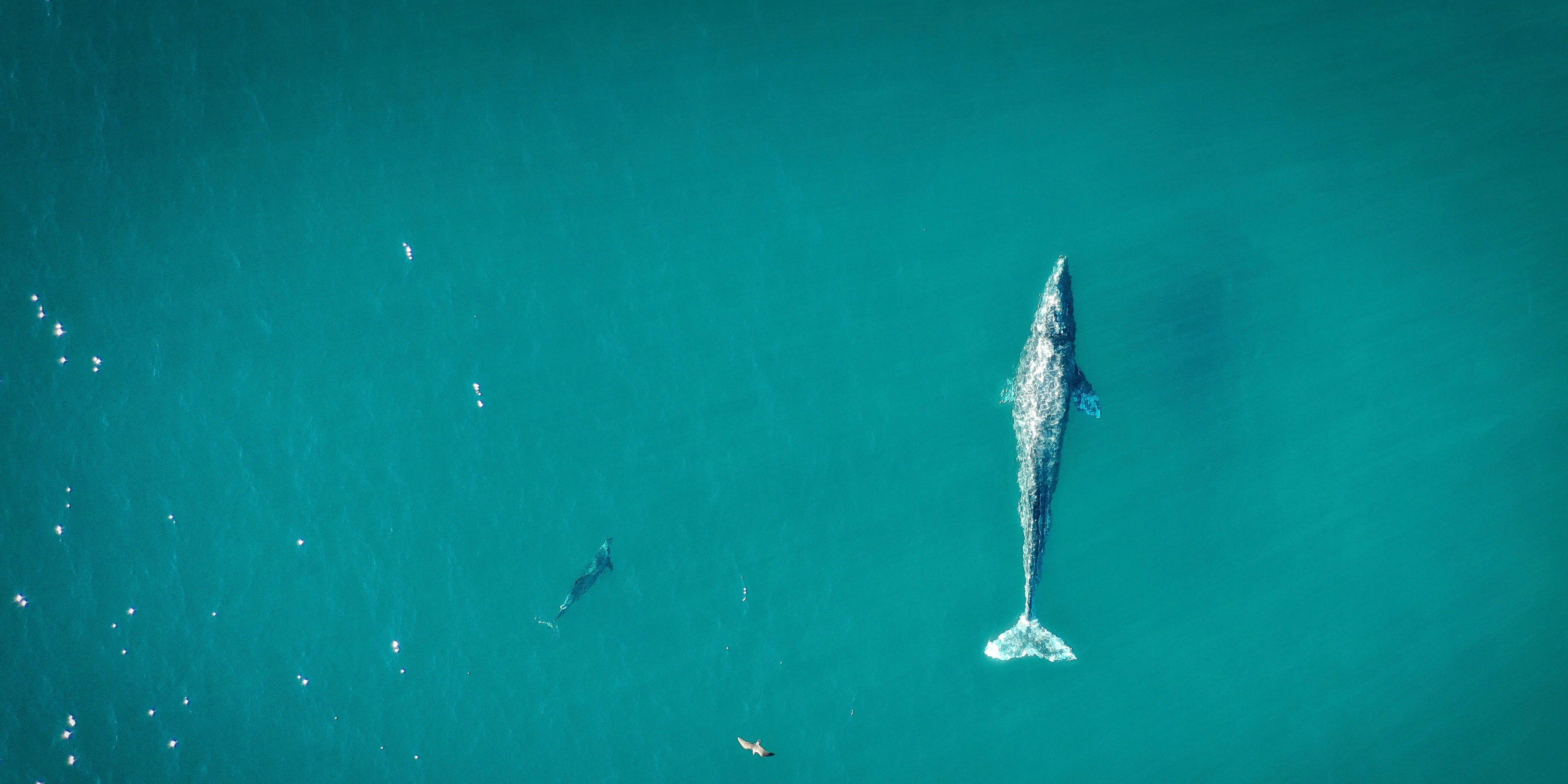
California boasts some of the most stunning whale watching opportunities in the world, with migratory species like humpback whales, gray whales, and blue whales frequently gracing its coastal waters. The peak whale watching seasons vary by species, with gray whales migrating from December to April along the Pacific coast, while blue and humpback whales can be observed from May through November. Major whale watching locations include Monterey Bay, San Francisco, San Diego, and the Channel Islands, each offering unique experiences depending on the time of year and the types of whales in season.
Visitors can choose from various guided tours, ranging from large vessels accommodating dozens of passengers to smaller, more intimate boats that provide a closer look at these magnificent creatures. These tours often emphasize both the excitement of spotting whales and the importance of marine conservation.
Why this matters
Whale watching is not just a recreational activity; it serves as a vital intersection between education and conservation. These experiences raise public awareness about the marine ecosystem and the challenges that whales face, including climate change, shipping traffic, and habitat loss. Local economies also benefit from whale watching, with thousands of tourists flocking to coastal towns specifically for this unique outdoor adventure. The revenue generated can sustain local businesses and promote conservation efforts. In addition, educational programs often accompany these tours, providing insights into whale behavior, migration patterns, and the significance of their habitats in the greater marine environment.
California has established regulations to ensure environmentally responsible whale watching, which includes guidelines on how close boats can approach the whales. These measures are crucial in maximizing safety and minimizing disturbances to the whales’ natural behaviors. As the interest in sustainable tourism increases, whale watching opportunities are likely to see growth, encouraging both ecological and economic advantages.
Broader picture
The significance of whale watching extends beyond immediate economic benefits, contributing to a larger narrative about environmental stewardship. With growing public awareness about climate change and its impact on marine life, whale watching presents a platform for raising critical conversations around sustainability and biodiversity. Educational initiatives can foster a deeper appreciation for these majestic creatures and their habitats, leading to increased support for marine conservation regulations.
California’s whale watching industry also serves as a model for eco-tourism in other coastal regions globally. By balancing recreation and education with conservation efforts, it exemplifies how tourism can be harnessed to promote sustainable practices. As more individuals engage with the natural world through activities like whale watching, it may inspire collective actions towards creating a more sustainable future for marine ecosystems.
In conclusion, California’s whale watching venues not only attract tourists eager to witness these marine wonders but also serve a greater purpose in fostering environmental awareness and support for conservation efforts. As the industry grows, so too does the potential for promoting a better understanding of our oceans and the creatures that inhabit them.
Original Source: https://www.cntraveler.com/story/best-places-to-go-whale-watching-in-california


