

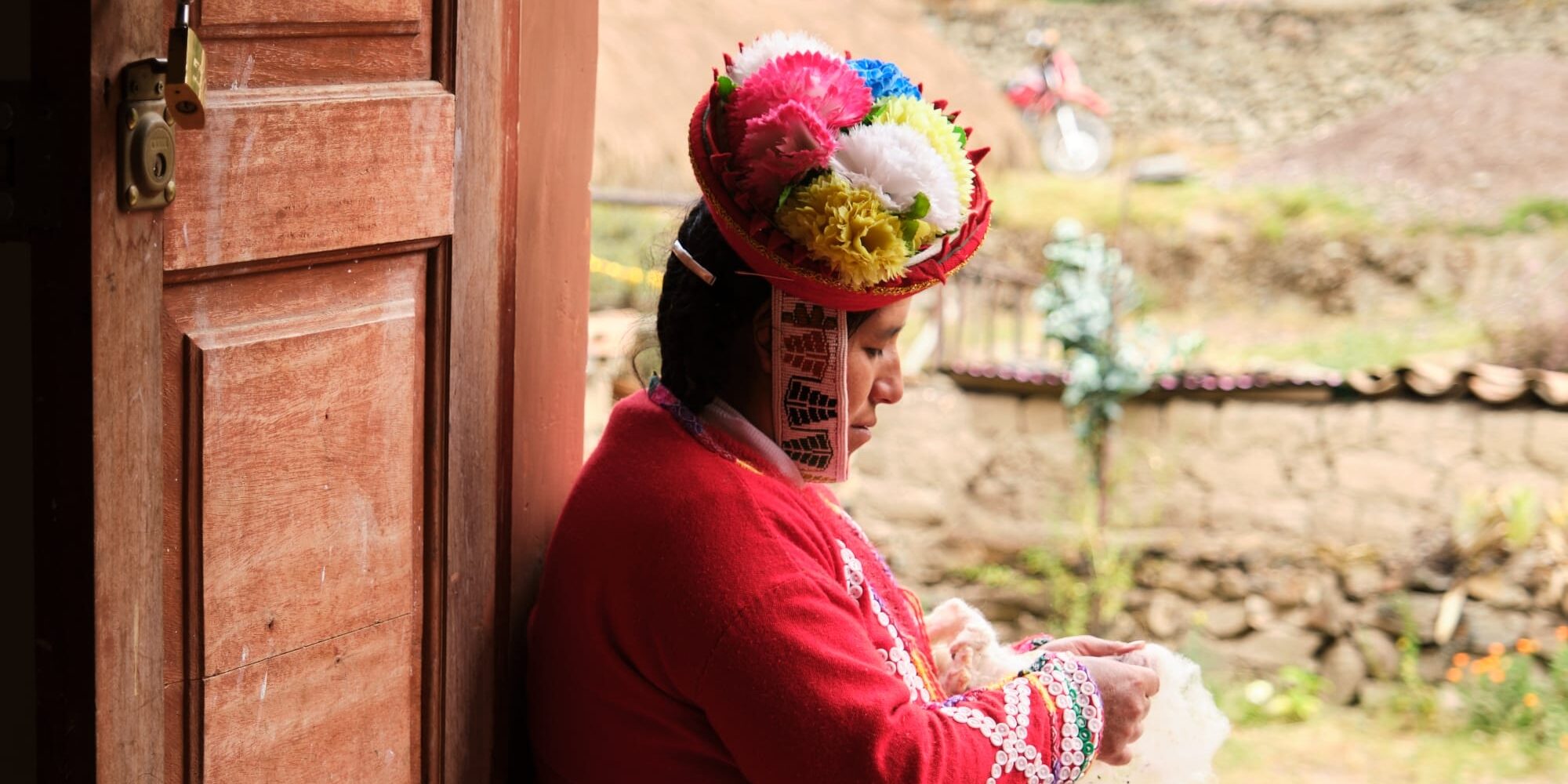
The Quechua weavers of Peru’s Sacred Valley have a vital ally in the form of a cooperative aimed at preserving their ancestral craft while securing fairer economic opportunities. This innovative approach not only enhances the livelihoods of the weavers but also sets a global standard for ethical fashion practices.
What happened
Founded in 2008, the cooperative known as “Kusi Kawsay” (which translates to “Joyful Living”) directly involves around 300 local artisans specializing in traditional weaving techniques. Located in the picturesque region of the Sacred Valley, the cooperative has established a sustainable business model that empowers weavers to sell their handmade textiles directly to consumers, bypassing exploitative middlemen.
Kusi Kawsay offers training programs in design and marketing, allowing weavers to not only refine their crafting skills but also learn about business practices that can strengthen their market position. The cooperative focuses on maintaining quality, providing fair wages, and encouraging cultural exchange through workshops and community engagement.
What it means for readers
This cooperative model is significant for consumers looking to support ethical and sustainable fashion. Products sold by Kusi Kawsay are made using natural dyes and traditional techniques passed down through generations. This not only preserves the cultural heritage of the Quechua people but also promotes environmentally sustainable practices.
For readers outside the region, purchasing items from the cooperative directly influences the artisans’ livelihoods, helping to sustain their communities. In a world where fast fashion dominates, opting for handmade, ethically sourced products provides an opportunity to invest in meaningful craftsmanship while ensuring that profits go to the creators.
What happens now
As global demand for fair trade and ethical products continues to rise, Kusi Kawsay stands poised for growth. Plans for expanding their product range and enhancing online visibility are already underway. The cooperative aims to tap into international markets while maintaining their commitment to sustainable practices. They seek partnerships with ethically-minded brands to amplify their reach and create a broader impact.
Consumers can take action by becoming informed about their purchases and choosing products that support artisans like those in the Sacred Valley. Engaging with cooperatives such as Kusi Kawsay not only fosters economic independence for marginalized communities but also offers consumers a chance to promote cultural heritage through their buying choices.
Ultimately, the cooperative exemplifies how traditional crafts can thrive in the modern economy without compromising identity or exploitation. Supporting these artisans means investing in a future where cultural traditions can flourish alongside ethical consumerism, providing a practical avenue for positive change in the market.
Original Source: https://www.thisiscolossal.com/2026/04/awamkai-peru-sacred-valley-weavers/


