

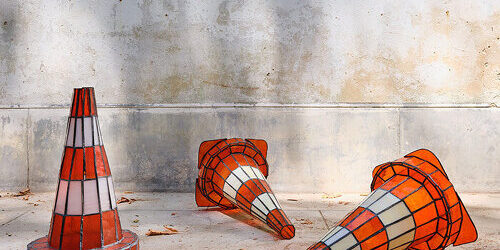
The art world is buzzing with excitement following the latest exhibition by artist Pia Hinz, who is gaining attention for her striking creations that reimagine industrial tools as delicate stained glass objects. The opening event, held at a contemporary art gallery in Berlin, saw attendees awestruck by the intricate designs, prompting discussions about the intersection of utility and artistry in modern craftsmanship.
Immediate reaction
Responses to Hinz’s work have been overwhelmingly positive, with critics and collectors alike noting her ability to juxtapose harsh industrial materials with the fragility of stained glass. Art enthusiasts described the pieces as both innovative and provocative, challenging traditional notions of beauty in everyday objects. Social media platforms lit up with shares and commentary as viewers celebrated her distinctive approach.
Gallery owner Anna Müller remarked, “Hinz’s work offers a fresh perspective that resonates with both art lovers and those interested in sustainability. It deconstructs what we see as ‘ugly’ and allows us to appreciate the beauty in imperfection.” The exhibition has also drawn interest from local businesses seeking to collaborate, recognizing the potential for cross-industry promotion through Hinz’s unique aesthetic.
What triggered the move
Pia Hinz’s transition from conventional artist to innovator stemmed from her background in industrial design. Originally focused on functional tools, she began experimenting with stained glass techniques after being inspired by the transformation of raw materials into art during a residency program. This shift allowed her to explore themes of functionality versus aesthetic appeal, often dusted with hints of social commentary regarding mass production and consumerism.
Her process involves sourcing discarded industrial components—think gears, pipes, and wiring—and meticulously incorporating them into glass panels that resonate with both historical and contemporary art movements. Hinz’s goal is to encourage viewers to reevaluate the objects that surround them, prompting a dialogue about sustainability and artistry in the age of consumerism.
Why readers should care
The intersection of craftsmanship and environmental consciousness is more crucial now than ever, as industries grapple with sustainability challenges. Hinz’s work exemplifies how art can pivot towards eco-friendly practices while pushing creative boundaries. Her approach not only promotes an appreciation for upcycled materials but also stresses the importance of seeing beauty in what is often considered waste.
Moreover, as more artists like Hinz gain recognition, there exists a potential for an entire movement focused on reimagining materials in innovative ways. This shift could impact various sectors, including design, architecture, and environmental advocacy, thereby fostering a new appreciation for sustainable art practices across the board.
In the short term, Hinz’s exhibition signals a growing market for artists who merge craftsmanship with sustainability, potentially leading to increased demand for eco-conscious art and design. As this trend evolves, it may inspire forthcoming generations of creators to view industry in a new light, suggesting a hopeful future where artistry and environmental responsibility converge.
Original Source: https://www.designboom.com/art/pia-hinz-reworks-industrial-tools-delicate-stained-glass-traffic-cones-sculpture/


