

Key details
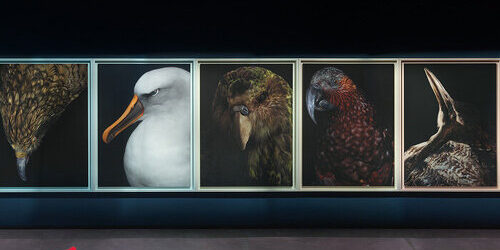
The New Zealand pavilion at the Venice Biennale has unveiled a poignant installation featuring museum-held bird specimens. These pieces, curated as part of the New Zealand exhibition, serve not only as artifacts of natural history but also as stark reminders of the region’s ecological losses. The birds, which represent various species once native to New Zealand, now reside in collections that document both biodiversity and the impacts of extinction.
This installation emphasizes the role of art and culture in highlighting environmental issues. By integrating these specimens into a contemporary artistic narrative, the exhibition seeks to provoke thought about the delicate balance between human activity and the natural world. The museum holdings are arranged in a way that elevates their status from mere objects of study to vital symbols of change.
Why this matters
The presentation of these birds at an international event like the Venice Biennale is significant for a couple of reasons. Firstly, it provides a global platform to address New Zealand’s unique biodiversity crisis, which has seen a substantial number of indigenous bird species pushed to the brink of extinction. The display invites an examination not just of the species itself, but also of the environmental policies and practices that have led to their decline.
Moreover, this exhibition intersects with broader issues of how human endeavors, including colonization and industrialization, have disrupted ecosystems. The curators aim to educate the audience about the ecological ramifications of these actions while advocating for conservation efforts. Presenting this message in an artistic format can resonate more deeply with visitors, prompting them to reconsider their own environmental impact.
Broader picture
In the broader context of ecological conservation and artistic expression, the New Zealand pavilion’s installation acts as a microcosm of greater environmental challenges faced worldwide. As species continue to vanish at an alarming rate due to habitat destruction and climate change, such exhibitions highlight the urgent question of what legacy humanity will leave behind. The museum-held birds provide a snapshot of biodiversity that once flourished but now hangs by a thread.
This initiative encourages dialogue not only about loss but also about hope and regeneration. It calls for a collective responsibility toward preserving what remains of nature. As art becomes a vessel for critical ecological conversations, it reflects a growing understanding that combating environmental degradation requires a multifaceted approach—combining advocacy, policy change, and awareness-raising through cultural expressions.
In essence, the New Zealand pavilion successfully intertwines art with environmental stewardship, offering a somber yet necessary reflection on ecological loss, while prompting viewers to engage in a larger conversation about the future of our planet.
Original Source: https://www.designboom.com/art/museum-birds-portraits-ecological-loss-new-zealand-pavilion-fiona-pardington-venice-art-biennale-2026/


