
‘Assemble’, a London-based architectural collective, is gaining worldwide recognition for its innovative approach: building people-focused designs utilizing available resources. With an ethos of creating a better future by working with what already exists, the group is causing quite the stir in architectural circles while making sustainable and socially conscious strides.
Formed in 2010 by a group of like-minded friends from diverse backgrounds, ‘Assemble’ intrinsically interweaves multiple perspectives giving rise to unique, practical, and user-friendly designs. The collective’s approach of finding creative opportunities in the already existing has individuality ingrained in each project and puts people at the center of the design process.
“Assemble’s unique business model is demystifying the role of the architect,” says architectural scholar Dr. Clare Melhuish. According to Dr. Melhuish, Assemble’s endeavor to keep architectural practices transparent, collaborative, and engaging sets them apart. The group is committed to demonstrating the substantial positive impact architecture can have on communities.
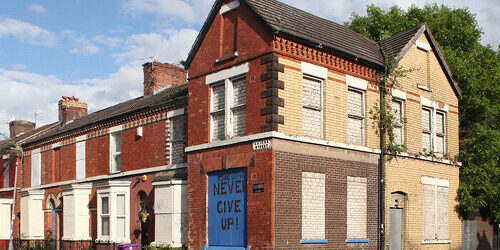
Throughout the years, Assemble has pioneered a variety of projects spanning crafts, housing, educational, and public spaces. One of their remarkable projects is the ‘Granby Four Streets’, a neighborhood revitalization project in Liverpool. The dilapidated properties were resurrected using local resources and workforce, refurbishing life and vigor into an almost deserted community. The project won the Turner Prize in 2015, making Assemble the first non-artists to be awarded the prestigious honor.
Though recognized for their trailblazing architectural feats, Assemble’s essence is deeply rooted in sustainability. In their ‘Goldsmiths Centre for Contemporary Art’ project, they incorporated materials normally seen as waste in creative ways, inspiring dialogue on recycling and conservation issues. They transformed a derelict swimming bath in Lewisham into a multi-use indoor market and community space called ‘The Green Man’, only using materials available on-site.
Moreover, Assemble doesn’t stop at physical structures. They are keen on generating lasting socio-economic benefits for local communities. For instance, in their ceramic project, ‘Granby Workshop’, they employ local artists and craftsmen to create handmade homeware and architectural elements. The profits are directed back to community rebuilding and growth.
Despite being a London-based team, Assemble’s projects are global. They worked with New York’s Department of Design and Construction to involve local students and workers in renovating a community space, a model which the city plans to replicate in future projects. In a temporary pavilion project in New Orleans, they employed salvage material from abandoned houses, demonstrating the transformative power of architecture.
Commentators have labelled Assemble’s approach as ‘guerrilla architecture’ due to its hands-on, people-centered, and sustainable methods. However, Jane Hall, an original member and an influential author, argues that this term is a misrepresentation as it implies illegality and lack of consultation. “Our projects always involve consent and collaboration. We ensure everything we do brings positive change and community cohesion,” says Hall.
In the last decade, Assemble has challenged traditional architectural norms, demonstrating that it’s possible to build a more sustainable and collective future by simply working with the resources already at our disposal. Amid the ongoing debate over recycling and sustainability, the work Assemble does presents an effective and creative solution, one that encourages and values the skill, opinion, and energy of every individual and community it engages.
Whether it’s culture, art, or construct, Assemble’s emphasis on people, environment, and innovation is making an unmistakable impact. As the digital landscape expands and the world grapples with climate change, their approach offers an exciting opportunity for everyone to be part of building a more sustainable and collective future.
Original Source: https://www.designboom.com/architecture/assemble-collective-future-interview/