

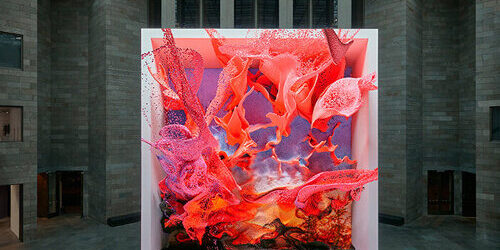
In a melding of agriculture and digital technology, Turkish media artist and director Refik Anadol has pushed the boundaries of what architecture can be. His innovative projects use data gathered from nature, specifically from plant species, thereby generating what is known as ‘living architecture’. This groundbreaking form of architecture uses intricate digital technology to bring natural elements into modern environments.
Anadol’s work builds on his established and renowned practice of using big data and artificial intelligence (AI) to create high-tech, multi-dimensional installations and buildings. His cutting-edge projects are a combination of art, technology, architecture, and biology.
The data collected from various plant species is transformed into a spectacle of light and appearance that evolve and interact with their surroundings. The data creates images of sharply-defined, virtual green places that flourish and contract, reportedly offering a calming influence on urban environments.
These digital versions of nature present an inspiring possibility of how living architecture can function in the 21st century. Through integrating nature’s data with AI, Anadol can showcase the harmony of nature and technology while bringing attention to necessary environmental awareness.
In an era where urban spaces are famously bereft of greenery, Anadol’s revolutionary concept has garnered widespread acclaim. Online platforms such as Dezeen, The Spaces, and Architectural Digest have featured Anadol’s work, heralding an innovative, and potentially crucial, development in architecture.
Anadol’s innovative use of AI and data in architecture is bringing a new perspective to urban development. The AI algorithm that is programmed with plant data allows Anadol’s creations to exist in an ongoing state of change for a truly ‘living’ architecture.
The technology employed allows the building or installation to adapt its appearance according to different variables, such as weather conditions or time of day. The ‘living’ buildings are intelligently reactive, creating a point of continuity between human-made environments and the natural world.
Anadol’s digitally-incorporated, nature-inspired designs thus aim to stimulate a more profound connection between urban life and nature. His work is underpinned by a conviction that promoting such connections can lead to increased empathy towards the environment, thereby encouraging efforts to protect it.
The conversation around the intersection of technology and nature is as relevant as ever, thanks to concerns about climate change, urbanization, and the need for sustainable development. Living architecture that can reflect and react to its natural setting offers a poignant reminder of these issues while offering a glimpse of potential solutions.
Anadol’s work opens a new chapter in this dialogue, expanding on the idea of eco-conscious architecture that merely focuses on using sustainable materials. Through the nature-based data collected by Anadol’s AI, living architecture can emulate the dynamics of nature itself, becoming an active participant in its surrounding ecosystem rather than just a static element.
Driving home this point, Anadol’s projects have a remarkable way of initiating conversations about architecture’s function in promoting biodiversity, fostering ripple effects in the artistic community and beyond.
In conclusion, Refik Anadol’s groundbreaking vision of living architecture presents an innovative and potentially impactful approach to urban architecture development. In the context of increasing environmental awareness, the creative coupling of technology with nature’s data offers us more than just a scientific accomplishment – it promises a radical shift in our perception of the environment and our role in preserving it.
By bringing nature back into urban landscapes in such innovative ways, Anadol may well be sowing the seeds of a new architectural revolution – transforming our cities into ‘living’ habitats that grow, react and adapt to their surroundings, just like the natural world. His work serves as a compelling reminder that mindful co-habitation with nature isn’t just a far-fetched ideal, but a feasible, practical, and crucial goal.
Original Source: https://www.designboom.com/art/refik-anadol-work-data-site-evolving-immersive-architecture/


