

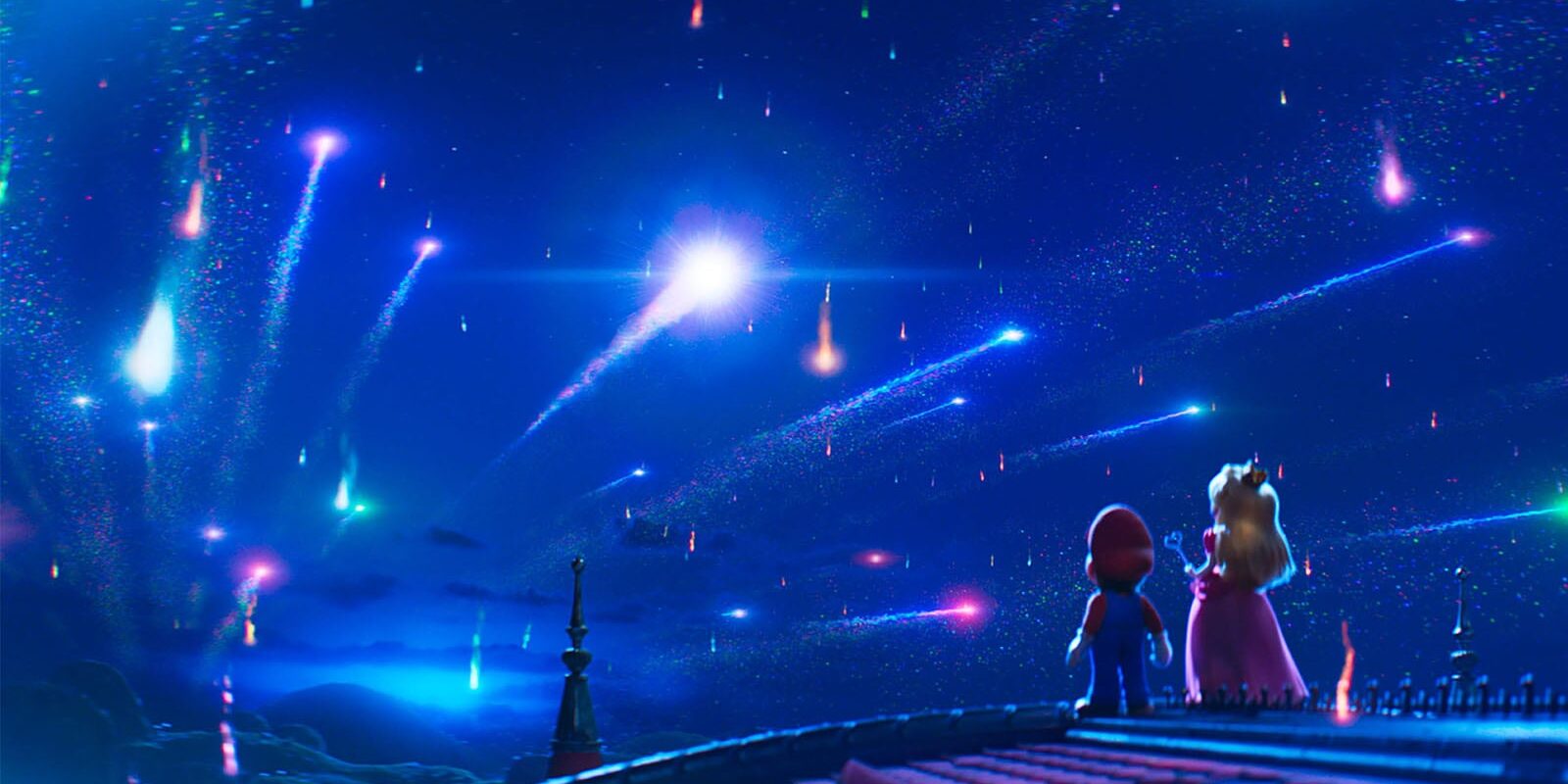
The profoundly transformative influence of anamorphic lenses has left an indelible mark on the world of filmmaking. Although they’ve been a staple in Hollywood since the 1950s, upending the then prevalent aspect ratio of 1.37:1 with a visually aesthetic widescreen format, their use is also noticeably rampant now even in animated feature films. Though potentially confusing to the untrained eye, these lenses are responsible for some of the most iconic on-screen visuals that have been etched in pop culture.
Anamorphic lenses achieve their distinctive effect by ‘squeezing’ the image horizontally in-camera, to then be ‘unsqueezed’ during projection or post-production process. This creates a widescreen, cinematic imagery with a unique distortion, and aesthetically pleasing bokehs (out of focus areas), highly desirable in the film industry.
The benefits of using anamorphic lenses are numerous. Starting with their ability to shoot in a native 2.39:1 aspect ratio (the defining look of Blockbuster movies), these lenses also have flares and distortions that can be used for stylized storytelling. They also have an inherently shallow depth of field, making for some incredibly compelling close-ups.
In an age where high definition and sharpness are champions, some filmmakers are adopting anamorphic lenses to introduce a visually impactful and unique look to their films. For instance, J.J. Abrams, the director of Star Trek (2009) and Star Wars: The Force Awakens (2015), is known for utilizing blue flares from anamorphic lenses.
Interestingly, though animation doesn’t inherently need these lenses, as aspect ratios for these features can be adjusted without additional hardware, many animation studios are integrating the anamorphic effect in their creations. This is done mainly to achieve a ‘cinematic’ feel for animated films, a trend observed in recent film releases.
An excellent example is the 2020 film, “Soul,” produced by Pixar Animation Studios, where anamorphic lens effects were emulated to create a more immersive look. Pixar’s use of virtual ‘anamorphic’ lenses is indicative of a more extensive trend in animation. Toy Story 4 also employed this technique, producing a level of realism and aesthetic appeal rarely seen in animation.
The increasing penetration of anamorphic lenses in animation studios illustrates how these units strive for ‘cinematic’ quality, mimicking the visual language of live-action cinema. They use virtual cameras and lenses that replicate the optics of real-world lenses, including elements like lens distortion and chromatic aberration.
It’s important to note that choosing to use anamorphic lenses is not just a technical decision; it’s a creative one as well. They have a particular ‘look’ that can infuse a specific tone or feeling into a scene, whether live-action or animated. This is something that the standard spherical lenses, which have been the industry norm, do not provide.
In conclusion, anamorphic lenses have proven themselves indomitable in the arena of cinematic visuals. Their pervasiveness, even in the field of animation, is a testament to their ability to craft visually stimulating shots, transport the viewer into the narrative, and ultimately enhance the storytelling process. Whether it’s a gritty film noir, an edgy sci-fi thriller, or a delightful animated feature – the continued use and evolution of anamorphic lenses are fundamentally reshaping our cinematic vocabulary.
Original Source: https://petapixel.com/2026/04/02/anamorphic-lenses-are-everywhere-in-hollywood-even-animated-movies/


