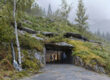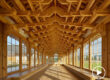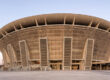


As construction gears up in Šeduva, Lithuania, a distinctive museum is taking shape – the ‘Lost Shtetl Jewish Museum,’ designed to memorialize the rich yet tragic history of Lithuanian Jews. The project, which engrosses 1.3 acres of land, includes a museum, memorial park, and research center and is erected in the form of a clustered village, astounding spectators and academics alike.
Before World War II, Lithuania’s population consisted of a robust Jewish community – famously known as the shtetl Jews or Litvaks – who populated several small towns or ‘shtetls’. Sadly, during the Holocaust, almost all of the 200,000 Lithuanian Jews were exterminated – a devastating blow to Jewish culture and history. The ‘Lost Shtetl Jewish Museum’ thus strives to revive this forgotten history.
The project is being spearheaded by the Sholom Aleichem Association and has been in the works since 2010, when the nascent idea was met with global applause at the Venice Architecture Biennale. Now, over a decade later, the project is nearing completion, set to open in 2023.
Renowned Finnish architect Rainer Mahlamaki, known for his prior work on the Polin Museum of the History of Polish Jews, leads the design for the Lost Shtetl project. The design concept for the museum, which was inspired by traditional European village layouts, includes a cluster of interconnected huts and open spaces, resembling the living quarters of the shtetl Jews and symbolizing their communal values.
“The museum’s design takes visitors on a chronological journey through the Jewish history in Lithuania, starting from the 14th century until the present. It resembles a symbolic recreation of ‘shtetl’ space with three main elements: the Market square, the Community, and the Synagogue,” the architect stated.
The structure’s gleaming façade is designed to mimic the aesthetic of a traditional Eastern European village, intersected with sleek, curved forms of modern architectural design, resulting in an eye-catching entity in the town landscape.
The Lost Shetl museum could play an instrumental role in expanding Holocaust education in Lithuania, which has been criticized for its poor handling of this crucial part of 20th-century history. Recognizing this, Lithuanian authorities have extended their support to the project, which has also received substantial international funding.
Rachel Kostanian, former Deputy Director of the Vilna Gaon State Jewish Museum, elaborates: “This project is an opportunity for Lithuania to properly address the unforgotten history and contribute to Holocaust education. The construction of this symbolic village will enliven the history of the Lithuanian Jews and pay tribute to the memories of the lost communities.”
Meanwhile, the project has been lauded by various international media outlets and academics. In a recent press release, the World Jewish Congress stated: “The Lost Shtetl museum project is an admirable initiative towards preserving Jewish history. It ensures that the memories and contributions of Lithuanian Jews are recognized and memorialized.”
While the small town of Šeduva is bracing itself to house this monumental undertaking, residents hope that the upcoming museum will boost local tourism and economy, providing an added benefit alongside the project’s main goal of resurrecting the memory of a significant population that once graced the lanes of Lithuania.
By creating a symbolic reminder of a culture that thrived and then was brutally exterminated, the shtetl museum strives to preserve the heritage of Lithuania’s diverse history. It underlines a global effort to remember the past and enlighten the present, encouraging understanding and empathy across different cultures and ethnicities. As construction progresses, the ‘Lost Shtetl Jewish Museum’ is set to become a beacon of historical memory, bringing the lost shtetl back to life.
Original Source: https://www.designboom.com/architecture/lithuanias-lost-shtetl-jewish-museum-takes-shape-as-a-gleaming-clustered-village/