
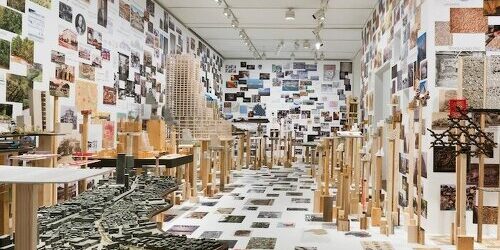
Renowned architect Tsuyoshi Tane has a unique perspective that brilliantly blends the past with the present and future. In a recent exclusive interview, he spoke at length on his philosophy that “architecture begins from the memory of a place.” This concept, referred to as the “archaeology of the future,” emphasizes drawing relevance from the history of a location to shape its future in an informing and encompassing manner.
Tane believes profoundly in the residues of past landscapes influencing the architecture of the future. This vision translates into the creation of structures that are not just centred around aesthetic appeal but are rooted in the past, present, and future of their surroundings, evoking a sense of continuity and timelessness.
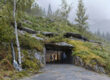
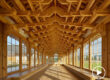
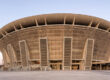
A Japanese architect leading the Paris-based architectural firm Atelier Tsuyoshi Tane Architects (ATTA), Tane led significant projects since he co-founded the firm in 2017. His portfolio includes noteworthy works such as the Estonian National Museum (2016) and the Hirosaki Museum of Contemporary Art (2021) in Japan. Each project beautifully illustrates Tane’s philosophy of the ‘archaeology of the future’.
The Estonian National Museum is an exceptional example of Tane’s innovative and introspective architectural approach. The museum is built on an old Soviet-era airbase – embodying elements of the past while shaping the future. It signifies the vibrant social-cultural stratum of Estonia’s history, redefining it as a beacon of national unity and cultural preservation.
Online discussions about Tane’s philosophy saw active participation from enthusiasts and professionals alike. Social media platforms are abuzz with debates on how the archaeology of the future could redefine urban landscapes while ensuring the preservation of cultural and historical essences.
The archaeology of the future, as perceived by Tane, is not merely about the aesthetic blending of the past and the future. Instead, it delves deeper into the matter. It is about respecting and proceeding with the memory of a place and fighting the amnesia of the present. By doing so, one can make the construction more meaningful and holistic.
Tane’s philosophy also adheres to the widespread discourse on the impact of architecture on society and cultural identity. Oftentimes, urban modernization results in a disconnect with our past, leading to a cultural identity crisis. Tane opines that architecture, far from being a mere art form or commercial aspect, is directly linked to societal evolution. He maintains that integrating historical contexts into modern architectural designs can foster a more profound sense of belonging and identity.
The concept appeals significantly to conservationists who strive to balance modern architectural advances with the preservation of historical structures and landscapes. “It’s about creating a memory bridge that helps cultures to smoothly transition into modernity without losing their identity,” states one architect on an online forum.
Tane’s philosophy aligns with a macro view of architecture encompassing historical preservation, social awareness, and futuristic vision. It’s like ‘digging into the past to design the future,’ which requires not only artistic vision but also empathetic understanding of the location’s past and a far-sighted perspective for its future.
Critics, however, caution against romanticizing the past excessively that might lead to anachronism or alienating current requirements and trends. A balanced approach is deemed essential to ensure structures not only echo the past but also resonate with the present and build bridges to the future.
Tsuyoshi Tane’s archaeology of the future offers a refreshing perspective in the realm of architecture – an arena often shadowed by economic rationale over cultural and societal relevance. With significant interest from the architectural community and impactful projects under his belt, Tane is leading a thought-provoking dialogue on architecture’s role in shaping urban landscapes and cultural identities in the future.
Original Source: https://www.designboom.com/architecture/architecture-begins-from-the-memory-of-a-place-tsuyoshi-tane-on-archaeology-of-the-future/