

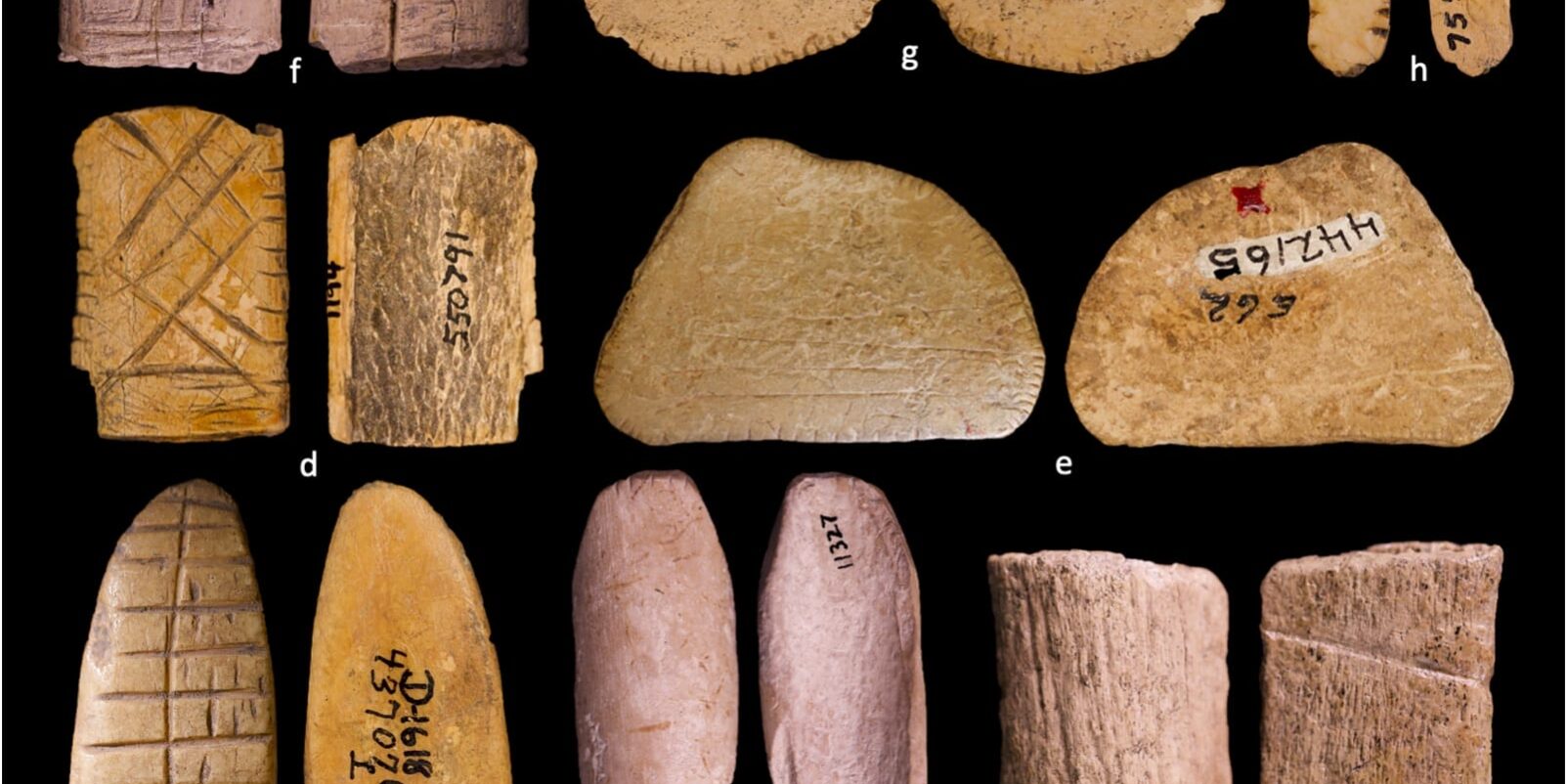
Remarkable archaeological findings suggest that ancient Native Americans were engaging in gaming activities as far back as 12,000 years ago. These ancient games of chance didn’t feature decks of cards or fancy poker chips. Instead, they played with simple, handmade dice carved from animal bones, antlers, and stones.
This evidence was excavated by a team of archaeologists from various research sites in the Great Basin, a massive arid region that covers substantial parts of the United States’ west, including states such as Nevada, Oregon, and California. The discovery has provided an exciting new insight into the recreational activities and social dynamics of prehistoric societies.
Dice-like artifacts bearing a striking resemblance to those used in contemporary dice games led researchers to theorize that these could have been employed for similar purposes by these ancient societies. Additional investigations and research have since then corroborated this hypothesis. Detailed analysis showed traces of wear and tear in a pattern that strongly suggested their use for games of chance.
“The dice-like artifacts were made from split, worked, and often burnt mammal bone, and all show varying degrees of wear,” explained David W. Zeanah, an archaeologist from California State University, who led the study. “What’s fascinating is that these objects were not utilitarian tools, but functioned specifically for recreational or ritual purposes.”
While games of chance have been documented in other prehistoric societies, this could be the oldest known instance of such activities in North America. It reveals that the people of this era probably found enjoyment, social bonding, and perhaps even conducted disputes through games just as we do now.
“This paints a vivid image of the daily life of these early inhabitants,” said Zeanah. “There’s a sense of community, of shared experiences. They weren’t just about hunting and survival. Significant social interactions occurred, likely governed by rules and chance, much like in our present-day games.”
As the research progresses, archaeologists have found close similarities between dice artifacts and the games played by historic and contemporary Native American groups.
“This is compelling evidence of cultural continuity extending over a span of thousands of years,” stated Barbara Bettinger, an anthropologist not involved in the study. “It underlines the importance of gaming in the cultural fabric of these societies, providing both amusement and a means of resolving conflict without resorting to violence.”
The research also opens up intriguing avenues for understanding the role of mathematics and probability theory in ancient societies. While it’s not yet known how sophisticated these societies’ mathematical understanding was, the presence of dice games does suggest they recognized basic principles of chance.
These findings went viral on the internet last week, prompting discussions about gaming’s ancient roots in several online communities and platforms such as Reddit and Twitter. Many users were fascinated by the antiquity of the gaming habit, noting its common presence across diverse cultures, eras, and continents.
History enthusiasts and gaming aficionados alike have been captivated by the idea of this prehistoric precursor to anticipation-heavy dice games like Yahtzee and Craps. Others expressed curiosity about how these early games were played and the possible stake systems.
Many scholars see this as another piece in the vast puzzle of understanding prehistoric cultures. These games probably had rules, winners, losers, and possibly even spectators, like modern sports. By digging deeper into these ancient games, we can unlock fascinating knowledge about the societies that played them.
While more research is needed to ascertain specifics about gaming in prehistoric societies, this exploration into our ancestors’ recreational activities extends our understanding of human behavior’s universality and longevity. The perennial human penchant for games of luck shows that no matter how advanced or primitive a civilization might be, the thrill of chance is an enduring aspect of our collective human experience.
Original Source: https://www.thisiscolossal.com/2026/04/ice-age-native-american-ancient-dice-games-archaeology/


