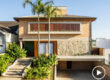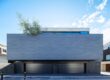

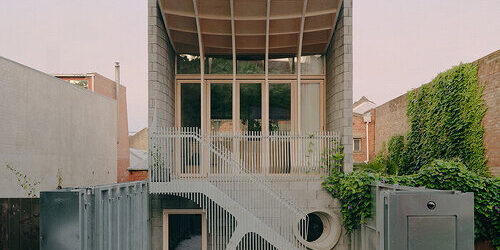
In a notable advancement in architectural design, Melbourne-based firm LLDS has unveiled its latest project: a comprehensive renovation of Northcote House, which now features cutting-edge robotically-milled interiors. This innovative approach promises to reshape the way we think about craftsmanship and material usage within residential spaces.
Originally built in the early 20th century, Northcote House has undergone various renovations over the years. LLDS was enlisted to breathe new life into the property while preserving its historical character. The firm saw an opportunity to leverage modern technology to enhance the materiality and functionality of the space without compromising its aesthetic appeal.
The most striking aspect of this renovation is the use of robotic milling technology, which allows for unprecedented precision in shaping interior elements. Traditional woodworking can often involve hours of labor-intensive work, but robotic milling can significantly reduce production time while increasing design complexity. The result is the creation of custom furniture and finishes that seamlessly blend with the house’s existing architecture.
By using Computer Numerical Control (CNC) machines, LLDS architects designed intricate patterns and shapes that would be challenging to achieve manually. Components like cabinetry, wall paneling, and decorative elements were all crafted with a focus on sustainability, using locally-sourced materials and recyclable composites. According to lead architect Emma Jenkins, this reduces the carbon footprint associated with transportation and manufacturing processes.
Online discussions and media coverage have highlighted the implications of such a project, especially within the context of Melbourne’s evolving architectural landscape. Architectural critics have described this renovation as not only a showcase of technological advancement but also a potential lesson in balancing innovation with historical preservation. As cities around the world grapple with similar dilemmas, LLDS’s approach at Northcote House might serve as a model that respects heritage while embracing modernity.
The project has attracted attention from various architectural forums, with many praising LLDS for its forward-thinking ethos. By merging traditional residential aesthetics with contemporary methods, the firm has sparked conversations about the future of residential architecture. As automation becomes more prevalent in various trades, the Northcote House renovation stands as a significant case study in design, craftsmanship, and efficiency.
In addition to the aesthetic transformations, LLDS has also prioritized functional upgrades, such as improved insulation and modern plumbing. These enhancements align with broader initiatives in Melbourne to promote energy efficiency in residential buildings, a crucial consideration in the face of climate change.
As LLDS continues to push boundaries in architectural design, the Northcote House renovation exemplifies the potential for innovation within the confines of tradition. With growing interest in sustainable practices and automation, it will be interesting to see how similar projects unfold in Melbourne and beyond.
In conclusion, LLDS’s work at Northcote House highlights a critical juncture for architecture, wherein technology and sustainability converge. As urban environments become increasingly complex, such groundbreaking projects may hold the key to creating homes that are not only beautiful but also responsible and future-oriented.
Original Source: https://www.designboom.com/architecture/llds-melbourne-northcote-house-inteiors-robotically-milled-timber-australia/