

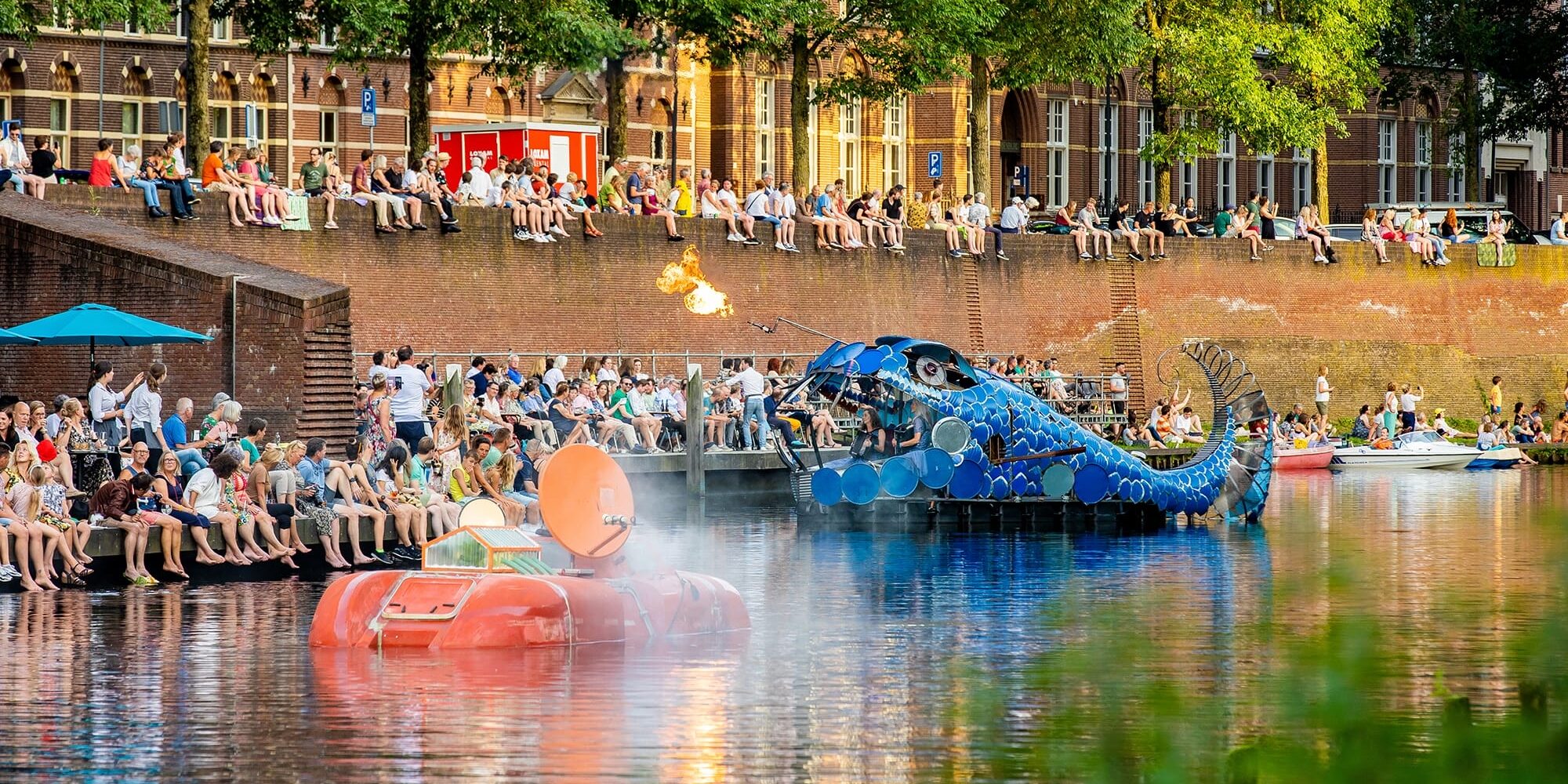
In a striking homage to the enigmatic painter Hieronymus Bosch, a unique parade of floating artworks has taken to the waterways of the Netherlands. This event, infused with creativity and cultural significance, highlights Bosch’s lasting impact on the art world while engaging a contemporary audience in a celebration of his complex narratives and surreal imagery.
Latest developments
The floating parade, held along the canals of Amsterdam, featured more than twenty elaborate vessels adorned with artwork inspired by Bosch’s iconic pieces, including “The Garden of Earthly Delights” and “The Last Judgment.” Artists from across the country collaborated to reinterpret Bosch’s themes in a modern context, utilizing materials ranging from recycled plastics to traditional painting techniques. The event culminated in a vibrant evening light show, illuminating the artworks as they glided through the water, attracting thousands of spectators who lined the banks.
City officials noted that the parade not only honors Bosch’s legacy but also brings attention to the importance of environmental sustainability in art. Many of the installations incorporated eco-conscious materials and aims to spark conversations about the intersection of art and environmental issues. Attendance numbers exceeded expectations, indicating a strong community interest in both the art form and the dialogue it fosters.
Background and context
Hieronymus Bosch, born around 1450 in ‘s-Hertogenbosch, is renowned for his intricate and often surreal depictions of the human experience, morality, and spirituality. His works challenge viewers with complex imagery filled with symbolism and moral questions. Bosch’s influence can be seen across centuries, earning him a place as one of the precursors to modern surrealism and fantasy art.
The Netherlands has a rich history of celebrating its artistic luminaries, and Bosch’s work is enshrined within this tradition. His native city hosts the Hieronymus Bosch Art Center, which serves as a cultural destination, driving interest in his oeuvre and its interpretations. As global art communities continue to explore the themes found within Bosch’s work, the country has capitalized on its cultural legacy to promote tourism, education, and community involvement through events like the floating parade.
What to watch next
As the success of the floating parade comes into focus, plans are already underway for future events that aim to expand the dialogue around Bosch’s art and its relevance today. Organizers are considering panel discussions and workshops that delve deeper into the themes presented in his work, particularly environmental and societal implications. Additionally, there is talk of a larger festival that would incorporate music, performances, and interactive art installations to broaden the appeal and engage new audiences.
As interest in Bosch and his influence persists, this floating parade serves as more than just an artistic display; it stands as a testament to the power of art in fostering community connections and addressing pressing modern issues. Moving forward, the integration of such contemporary interpretations might further rejuvenate interest in a legacy that continues to inspire across generations.
Original Source: https://www.thisiscolossal.com/2026/04/bosch-parade-den-bosch-netherlands/


