

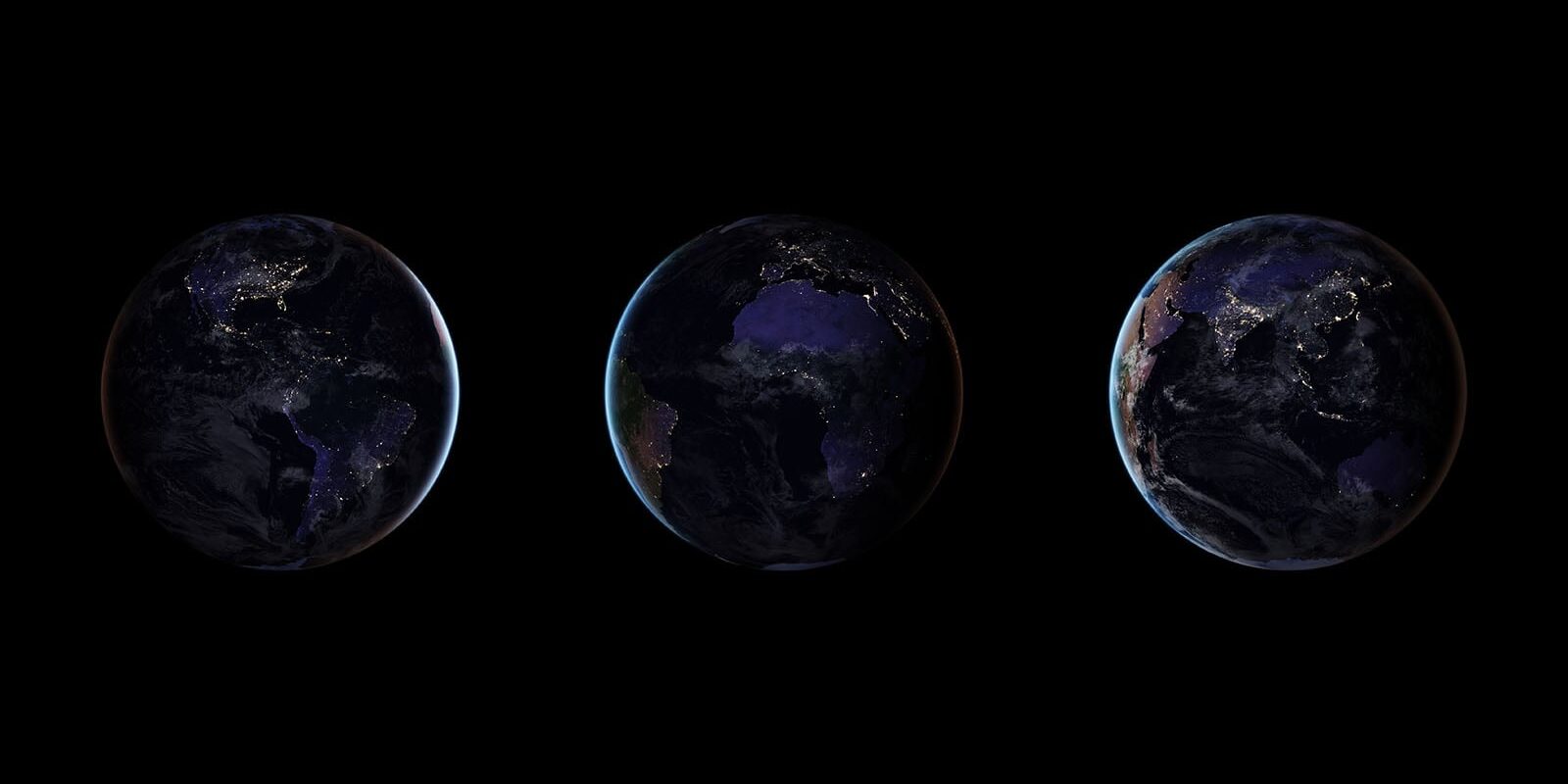
Recent analysis of satellite data indicates a significant increase in light pollution worldwide, revealing that urbanization and excessive artificial lighting are compromising our view of the night sky. This trend poses a range of concerns for both human health and the environment.
What happened
Over the past several decades, stunning advances in satellite imaging technology have allowed researchers to track changes in light pollution with unprecedented accuracy. A report released by the Nature journal highlighted findings that light pollution has increased by roughly 49% globally from 2012 to 2022. The data, gathered from NASA’s Suomi National Polar-orbiting Partnership satellite, captures nighttime lights across the planet, revealing not just flashy urban centers, but also considerable light encroachment into rural areas.
This stark rise corresponds closely with trends in urban expansion, where brighter streetlights, advertising signage, and architectural lighting are becoming increasingly common. As cities grow and adapt, many are opting for energy-efficient LEDs that are often misdirected or overused, contributing to a surge in luminosity.
What it means for readers
The surge in light pollution is more than an aesthetic issue; it can have profound implications for health, wildlife, and astronomical observation. For individuals, exposure to artificial light at night has been linked to various health issues, including disrupted sleep patterns, increased stress levels, and a higher likelihood of chronic conditions such as obesity and depression. The human body naturally responds to light; thus, excessive exposure can confuse our circadian rhythms.
Additionally, wildlife is heavily affected by increased light pollution. Animals that depend on natural light cycles for navigation, hunting, and mating are finding their behaviors altered, which can lead to population declines and disruptions to ecosystems. Migratory birds and nocturnal animals, for instance, find it harder to follow their habitual patterns when their environments are consistently illuminated.
What happens now
Addressing the challenges posed by rising light pollution will require a multi-faceted approach involving urban planning, public awareness, and technological innovation. More municipalities are beginning to implement “dark sky” initiatives aimed at reducing excessive lighting and promoting responsible outdoor lighting use. These measures are designed to maintain the functionality of public spaces while also preserving the natural beauty of nighttime environments.
For readers, it is essential to be proactive. Individuals can take simple steps in their own lives, such as using low-intensity outdoor lighting, investing in outdoor fixtures that direct light downwards, and advocating for community measures aimed at reducing light pollution. Moreover, engaging with local government about sustainable urban practices can promote a healthier, darker night sky for all.
As cities continue to grow, understanding and mitigating the impact of light pollution will be critical, fostering both human well-being and ecological balance for future generations.
Original Source: https://petapixel.com/2026/04/10/satellite-images-show-much-light-pollution-has-increased/


