

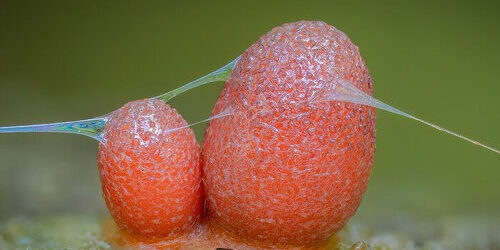
In a groundbreaking project, photographer Barry Webb has unveiled an extraordinary collection of macro photographs highlighting the often-overlooked diversity of slime molds thriving in the UK woodlands. His work not only captures the intricate beauty of these organisms but also raises awareness about their ecological significance and the role they play in forest ecosystems.
What happened
This past week, Webb showcased his latest photographs in an exhibition at a local gallery in Somerset, drawing in nature enthusiasts and photographers alike. The collection features images taken during his extensive hikes through various woodlands, where he meticulously documented the vibrant and organic shapes of slime molds in their natural habitats. From the bright yellows of Fuligo septica to the delicate structures of Arcyria denudata, Webb’s photos reveal a world that typically remains hidden from the casual observer.
Webb’s fascination with slime molds began years ago, sparked by a chance encounter in a decaying log during a woodland walk. Intrigued by their texture and appearance, he devoted himself to studying these organisms, which are neither fungi nor plants but belong to the protist kingdom. Over time, he became adept at capturing their ephemeral beauty, often using specialized macro lenses to bring forth details invisible to the naked eye.
Why it matters
Slime molds are fundamentally important to forest ecosystems, serving as decomposers by breaking down organic matter and recycling nutrients back into the soil. They contribute to soil health, fostering environments where various plants can thrive. Webb’s documentation shines a light on their role in maintaining the delicate balance of forest life, linking his artistic pursuits with science and conservation. By revealing the intricate details of these organisms, Webb encourages a broader appreciation for biodiversity and the critical functions these understudied species perform.
Moreover, his exhibition aims to challenge misconceptions surrounding slime molds, often dismissed as little more than unsightly masses on decaying wood. By changing the narrative to one of ecological importance and beauty, Webb hopes to inspire conservation efforts and a deeper exploration of the organisms living symbiotically in our woodlands.
What comes next
The immediate outlook for Webb’s work includes plans for a wider distribution of his photographs through both physical and digital mediums. He is collaborating with local schools and conservation groups to host educational workshops that will teach participants about slime molds and their ecological roles. In addition, Webb is considering publishing a coffee table book combining his photography with essays from mycologists and ecologists, inviting readers to engage with both the art and science of these fascinating organisms.
As attention grows around slime molds—an often-neglected member of the forest community—Webb’s efforts may inspire not only awareness but also action to protect these species and their habitats. For those interested in nature and conservation, the hidden world of slime molds presents a remarkable opportunity to appreciate the interconnectedness of life within our woodlands.
Original Source: https://www.designboom.com/art/barry-webb-photographs-macro-world-slime-molds-uk-woodlands/


