

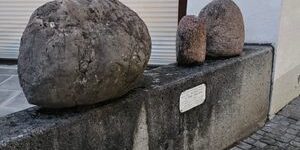
Nestled in the picturesque Allgäu region of Bavaria, Füssen is known not only for its fairy-tale castles but also for its fascinating geological features: the Ice Age erratics. These massive boulders, transported by glacial movements thousands of years ago, have become a point of scientific interest and local pride.
Background and context
The erratics in the Füssen area primarily consist of granite and gneiss, originating from the distant Alps. During the last Ice Age, which peaked around 20,000 years ago, glaciers extended their icy reach across northern Europe. As these glaciers advanced and retreated, they carried large chunks of rock from their place of origin, depositing them far from home.
Füssen’s erratics serve as an important window into the region’s glacial past, helping geologists and climate scientists understand the patterns of climate change over millennia. Some of the most well-known boulders, such as the ‘Hohenfreiberg Erratic,’ are notable not only for their size but also for their striking geological features. These formations provide insights into the processes of deposition and erosion that shaped the landscape.
Füssen has gradually established itself as a significant location for geological studies, promoting both local tourism and educational initiatives. Walking trails have been developed around these erratics, allowing visitors to appreciate the stunning natural beauty while gaining insights into earth sciences.
Latest developments
Recently, Füssen has taken significant strides to enhance public engagement with its Ice Age erratics. The local government, in collaboration with geological experts, has initiated a program aimed at creating interactive educational materials. This includes the installation of informative plaques near the erratics that detail their geological history and significance.
Furthermore, guided tours have been introduced, appealing to both students and tourists interested in geology and natural history. Local schools have incorporated these tours into their curricula, fostering a sense of environmental stewardship among younger generations. The initiative aligns with broader goals of promoting sustainability and awareness about climate change—issues that are not just historical but also deeply relevant today.
In addition to educational outreach, Füssen has seen increased tourism, with visitors from around the globe drawn not only to the erratics but also to the nearby cultural sites, such as Neuschwanstein Castle. As more people recognize the importance of these geological features, Füssen’s erratics are becoming integral to the area’s identity.
What to watch next
As Füssen continues to promote its Ice Age erratics, locals and visitors alike can anticipate further developments. Future plans include a mobile application that will provide augmented reality experiences at various sites, helping users visualize the ancient glacial processes that shaped the region.
Additionally, ongoing research aimed at dating these erratics more precisely is expected to shed light on the timing and effects of Ice Age glaciations in the area. With climate change an increasingly pressing issue, understanding these natural histories may become even more critical in the future.
Füssen’s Ice Age erratics are more than just geological formations; they are reminders of Earth’s dynamic history and our relationship with the environment. As educational initiatives expand and the area’s scientific importance grows, Füssen stands at the crossroads of geology and tourism, ready to share
Original Source: https://www.atlasobscura.com/places/the-ice-age-erratics-of-fussen


