

Key details
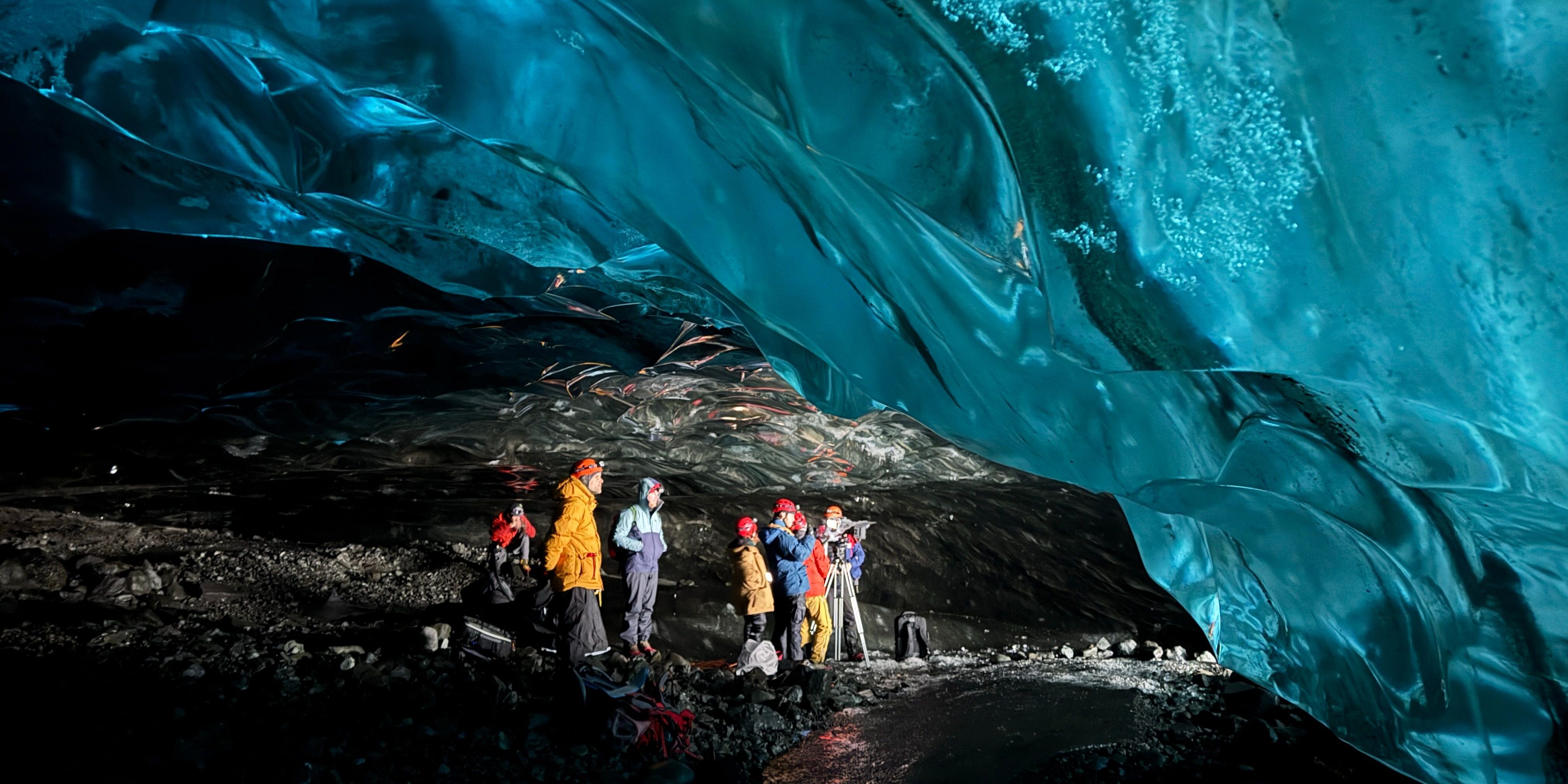
In her latest documentary, “Time and Water,” Sara Dosa offers a poignant exploration of Iceland’s vanishing glaciers. Released to critical acclaim, the film intertwines stunning visual narratives with personal stories from local inhabitants, emphasizing the profound impact of climate change on the region’s landscapes and its people. With icebergs melting at unprecedented rates, the film transforms the delicate beauty of Iceland’s glaciers into a compelling lens through which to examine environmental urgency.
Dosa utilizes an intimate storytelling approach, featuring individuals who have a deep connection to the glaciers. Their reflections not only illuminate the cultural significance of these frozen giants but also provide an emotional framework that encourages viewers to grapple with the implications of their decline. The documentary effectively juxtaposes breathtaking aerial shots of the majestic glaciers against the heartfelt accounts of the communities that rely on them for their livelihood and identity.
Why this matters
The significance of “Time and Water” extends far beyond cinematic artistry; it serves as an urgent call to awareness regarding climate change. The glaciers of Iceland, which account for approximately 11 percent of the nation’s land mass, are dwindling at an alarming rate due to rising global temperatures. This tangible evidence of climate change resonates globally, making the documentary not just an Icelandic concern but rather a universal narrative about ecological loss and resilience.
As Dosa captures the glaciers retreating, she also portrays the emotional toll it takes on those who have lived beside them for generations. The film highlights the interconnectedness of place and identity, illustrating how environmental degradation has far-reaching effects on local communities. In doing so, it emphasizes the urgent need for conservation efforts while advocating for a collective reckoning with the implications of climate inaction.
Broader picture
“Time and Water” contributes to a growing corpus of work spotlighting climate change through personal stories. Documentaries like these are instrumental in fostering public discourse, as they translate complex scientific data into relatable narratives. By spotlighting glaciers that are disappearing, Dosa underscores a broader existential threat: the planet’s changing climate and the resultant shifts in human experience.
Moreover, the film aligns with global movements aimed at raising awareness about environmental issues. As Iceland grapples with the loss of its glaciers, similar struggles unfold worldwide, from the melting ice caps in Antarctica to the vanishing coral reefs in the Great Barrier Reef. Dosa’s documentary is not just a reflection of a local problem; it encapsulates a pressing global crisis that demands immediate action.
In summary, “Time and Water” significantly enriches our understanding of climate change through its personal, localized narrative. As glaciers continue to disappear, this film serves as a powerful reminder of what is at stake—not just in Iceland, but across the planet. Through such storytelling, there lies an opportunity for awakening and advocacy, compelling societies to confront the realities of their environment before it is too late.
Original Source: https://www.cntraveler.com/story/in-time-and-water-documentarian-sara-dosa-captures-icelands-vanishing-glaciers-and-the-stories-they-hold