
Key details
In Slovenia, innovative architectural designs are redefining the concept of learning environments by integrating concrete and beech wood elements. This blend is prominent in the development of flexible learning spaces within schools, simultaneously functioning as social hubs for the community. These structures prioritize adaptability, allowing them to shift between various educational and social functions, creating a seamless transition from classroom to community gathering.
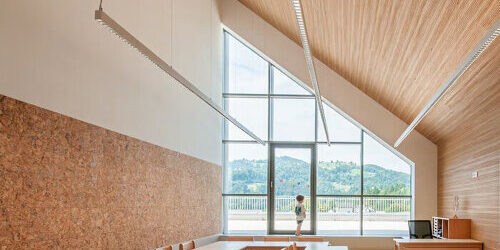
The design focuses on natural light, open spaces, and sustainability, utilizing beech for its aesthetic warmth and concrete for its durability. Such materials not only emphasize modern architectural trends but also promote an inviting atmosphere conducive to learning and social interaction. Carried out with the input of educators and local residents, the project aims to meet the evolving needs of students and the community alike.
Why this matters
This multifaceted approach to educational architecture represents a significant departure from traditional classroom designs. The flexible learning spaces allow for diverse instructional methods while accommodating collaborative projects, workshops, and community events. By blending physical education, cultural activities, and social gatherings, these developments encourage community engagement beyond standard school hours.
Additionally, the use of local materials like beech emphasizes regional identity and sustainability, making the structures a hallmark of resource-efficient design. Such choices can serve as a model for future developments in other educational settings across Europe, promoting eco-friendly practices while fostering community reintegration.
Broader picture
The integration of flexible learning spaces within school environments reflects a broader shift in educational philosophies towards inclusivity and collaboration. As educational systems across the globe adapt to the demands of the 21st century, Slovenia’s approach highlights the importance of designing spaces that cater to both academic and social needs. The outcomes of such initiatives can profoundly influence the way students interact with their peers and their surroundings.
This transformation can initiate discussions about the potential for further developments in educational architecture internationally. The focus on multifunctional spaces encourages reflection on how education intersects with community life, urging stakeholders to rethink rigid structures that may limit engagement. Ultimately, Slovenia’s innovative designs represent a step towards more integrated and dynamic educational experiences that emphasize learning as a community endeavor rather than an isolated activity.
Original Source: https://www.designboom.com/architecture/concrete-beech-flexible-learning-spaces-school-social-hub-slovenia-hotic-educational-complex-geoplan/