

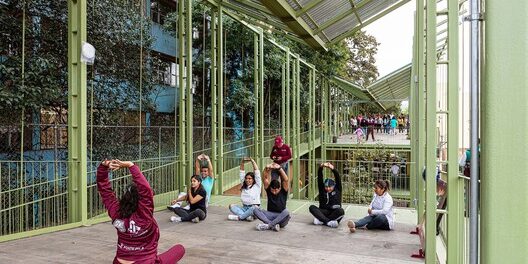
In recent years, Bogotá and Mexico City have taken significant strides to address urban inequality through innovative public space initiatives. These cities, once plagued by socioeconomic divides, are evolving into more inclusive environments, demonstrating the potential for urban planning to foster social cohesion.
Background and context
Urban inequality is a persistent issue in Latin American cities. As sprawling metropolises, Bogotá and Mexico City have experienced rapid urbanization, leading to stark contrasts between affluent neighborhoods and marginalized areas. Informal housing, limited access to public services, and inadequate infrastructure have compounded these inequalities, creating environments where access to opportunities is often determined by one’s geographic location.
In Bogotá, various administrations over the past two decades have aimed to transform social and economic disparities through extensive public transport systems and pedestrian-friendly urban design. The introduction of TransMilenio, a Bus Rapid Transit system, was a significant step towards improving mobility for lower-income residents, allowing greater access to jobs and education.
Mexico City has similarly focused on enhancing public spaces, with initiatives like the revitalization of parks and cultural spaces that serve as community hubs. The implementation of policies to promote active transport, such as cycling and walking, has encouraged residents to engage more with public spaces, thereby fostering collaboration among diverse groups.
Latest developments
Current efforts in both cities are focusing on expanding public engagement in urban planning, ensuring that previously underrepresented communities have a voice in the development process. Bogotá recently launched a series of participatory workshops designed to gather feedback from citizens on urban projects, emphasizing co-creation in city planning. These initiatives aim to tackle urban challenges while fostering a sense of ownership among residents.
Mexico City has implemented a program called “Sitios para Todos,” focusing on inclusive access to urban amenities for individuals with disabilities. By improving accessibility in public spaces, the program exemplifies how urban development can address the needs of diverse populations. Moreover, both cities are exploring sustainable solutions, integrating green spaces into densely populated areas to promote social interaction and environmental health.
What to watch next
As Bogotá and Mexico City continue to innovate, the impact of these public life improvements will be closely monitored. The effectiveness of participatory planning initiatives and inclusive public space projects will serve as barometers for urban equality. Additionally, as cities grapple with climate change and population growth, the integration of sustainable transport and green infrastructure will likely define future urban strategies.
The ongoing developments in public spaces reveal a growing recognition of the role urban design plays in bridging inequalities. As Bogotá and Mexico City adapt their frameworks for urban growth, they may offer valuable lessons to other cities grappling with similar challenges. The outcome of these initiatives could pave the way for a more equitable urban future, setting a benchmark for integrated urban planning in the region.
Original Source: https://www.archdaily.com/1042536/building-public-life-how-bogota-and-mexico-city-addressed-urban-inequality