

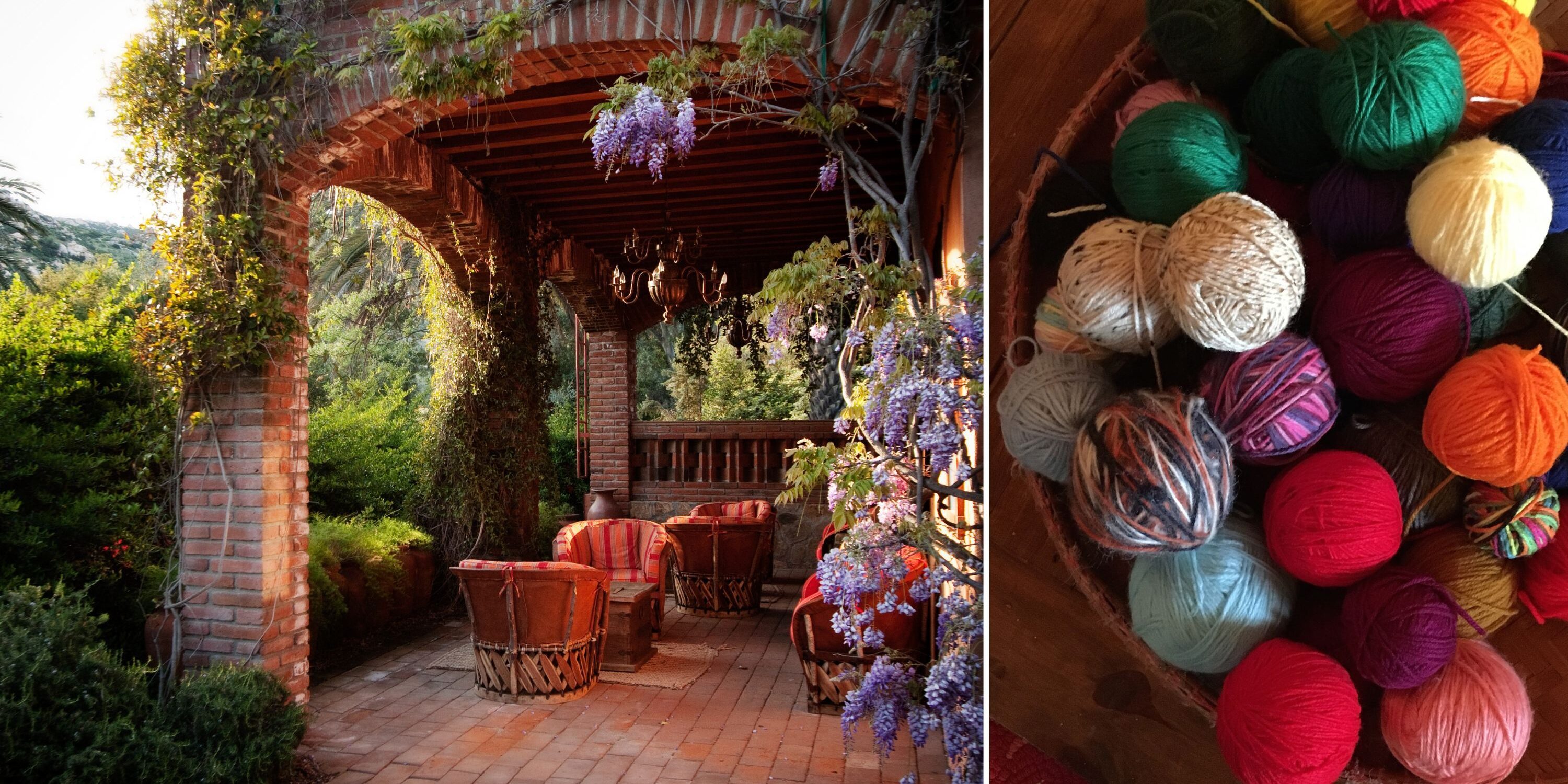
In recent months, there has been a notable shift in the travel industry as more people are opting for craft-led experiences rather than traditional sightseeing. This surge is not merely a fleeting trend; it reflects a broader change in consumer preferences toward authentic, meaningful experiences. As travelers increasingly seek to connect with local cultures, businesses are adapting quickly to meet this new demand.
Immediate reaction
The immediate response from the travel and tourism sector has been overwhelmingly positive. Travel agencies and tour operators are quickly adding craft-focused itineraries, allowing travelers to engage more deeply with local artisans. This shift has caused a ripple effect in the souvenir market, as consumers express a desire for mementos that they can cherish long after their journeys conclude.
Social media platforms are buzzing with hashtags like #CraftTravel and #HandmadeSouvenirs, as travelers showcase their unique finds and experiences. Artisans are seeing increased interest, which has motivated them to expand their offerings and enhance the quality of their products. From pottery and textiles to handcrafted jewelry, these souvenirs offer more than just a physical reminder; they tell a story that resonates with their creators.
What triggered the move
Several factors are driving this shift toward craft-led travel. The pandemic prompted many to reassess how they travel, leading to a search for experiences that are not only enjoyable but also enriching. The rise of sustainable tourism has encouraged travelers to support local economies and prioritize ethical practices. Craft-led travel aligns with this ethos by promoting small-scale artisans who rely on the support of visitors.
The advent of platforms that connect travelers directly with local artisans has further fueled this trend. Websites and apps that offer itineraries focusing on workshops and hands-on craft experiences make it easier than ever for travelers to immerse themselves in a destination’s culture. Consumers, particularly younger generations, are increasingly looking for unique and personal experiences, often rejecting mass-produced souvenirs for items that have genuine artistry behind them.
Why readers should care
The implications of this trend extend beyond just tourism; they impact local economies and cultural preservation. By choosing to engage with craft-led experiences, travelers contribute to the sustainability of local communities, helping to maintain traditional practices that might otherwise be lost to modernity. Each purchase tells a story about the culture it originates from, fostering deeper connections and understanding between cultures.
As the trend continues to grow, it is likely that the demand for craft-led travel will remain strong in the short term. This shift will encourage more travelers to seek out authentic experiences and, in turn, motivate businesses to delve deeper into the creative processes that make their products unique. While it may seem like a trend driven by novelty, the lasting impact of these choices can lead to a positive transformation within the global tourism landscape, making it a point of interest for anyone involved in travel, commerce, or cultural exchange.
Original Source: https://www.cntraveler.com/story/the-rise-of-craft-led-travel-and-the-souvenirs-that-actually-last