
Key details
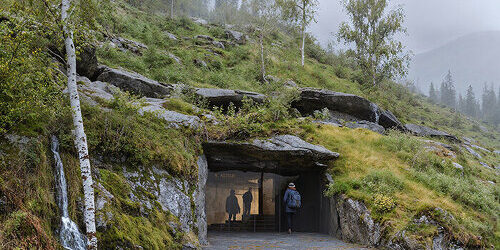
PAX, an innovative architectural firm, has proposed a striking new museum nestled within the breathtaking landscape of Norway’s fjords. The design envisions an expansive subterranean structure that seamlessly integrates with the natural terrain, enhancing the region’s aesthetic while drawing attention to the rich cultural narrative of Norway.
With vast exhibition spaces, the proposed museum aims to celebrate both the historical influences and natural heritage of the area, providing visitors with an immersive experience that connects them to Norway’s storied past. The project underscores PAX’s commitment to environmentally conscious design, prioritizing sustainability in both construction and operation.
Why this matters
This development is notable for several reasons. Firstly, it highlights a shift in how cultural landmarks are conceived and constructed. Rather than imposing structures that disrupt the environment, PAX’s design advocates for harmony with nature. By embedding the museum within the fjord landscape, the project demonstrates a growing trend toward ecologically sensitive architecture that respects and enhances the surrounding ecosystems.
Secondly, the museum is poised to become a significant tourist destination. Norway’s fjords are already a draw for millions of visitors each year, and a unique museum in this stunning location could further boost local economies. Tourism is vital to Norway’s economic landscape, and integrating cultural elements with natural beauty may foster a more profound appreciation of both.
Furthermore, this project reflects a broader cultural movement towards valuing art and heritage in tandem with environmental stewardship. In a time when climate change raises pressing questions about sustainability, initiatives like this museum serve as exemplars of how cultural institutions can play active roles in promoting sustainability and environmental awareness.
Broader picture
The proposal from PAX also aligns with international trends in museum design, where the focus is increasingly on interactive and experience-driven spaces. In an age where digital engagements dominate, physical landmarks must find ways to captivate and educate. The immersive experience promised by the fjord museum could set a new benchmark for how museums engage with their audiences.
Additionally, this development illustrates the potential for architecture to serve societal needs beyond mere aesthetics. By fostering a dialogue between culture, community, and environment, the museum poses an opportunity for educational programs that could lead to increased environmental stewardship among visitors. It offers a chance for the narratives of the past to engage contemporary audiences with current ecological concerns.
In conclusion, PAX’s proposal for a museum embedded within Norway’s fjord landscape represents a pioneering approach to cultural institutions. As discussions about environmental sustainability dominate various sectors, this project may serve as an innovative template for the future of museum design, illustrating the potential for art and nature to coexist harmoniously.
Original Source: https://www.designboom.com/architecture/pax-cavernous-museum-embedded-norway-fjord-astruptunet-cave/