

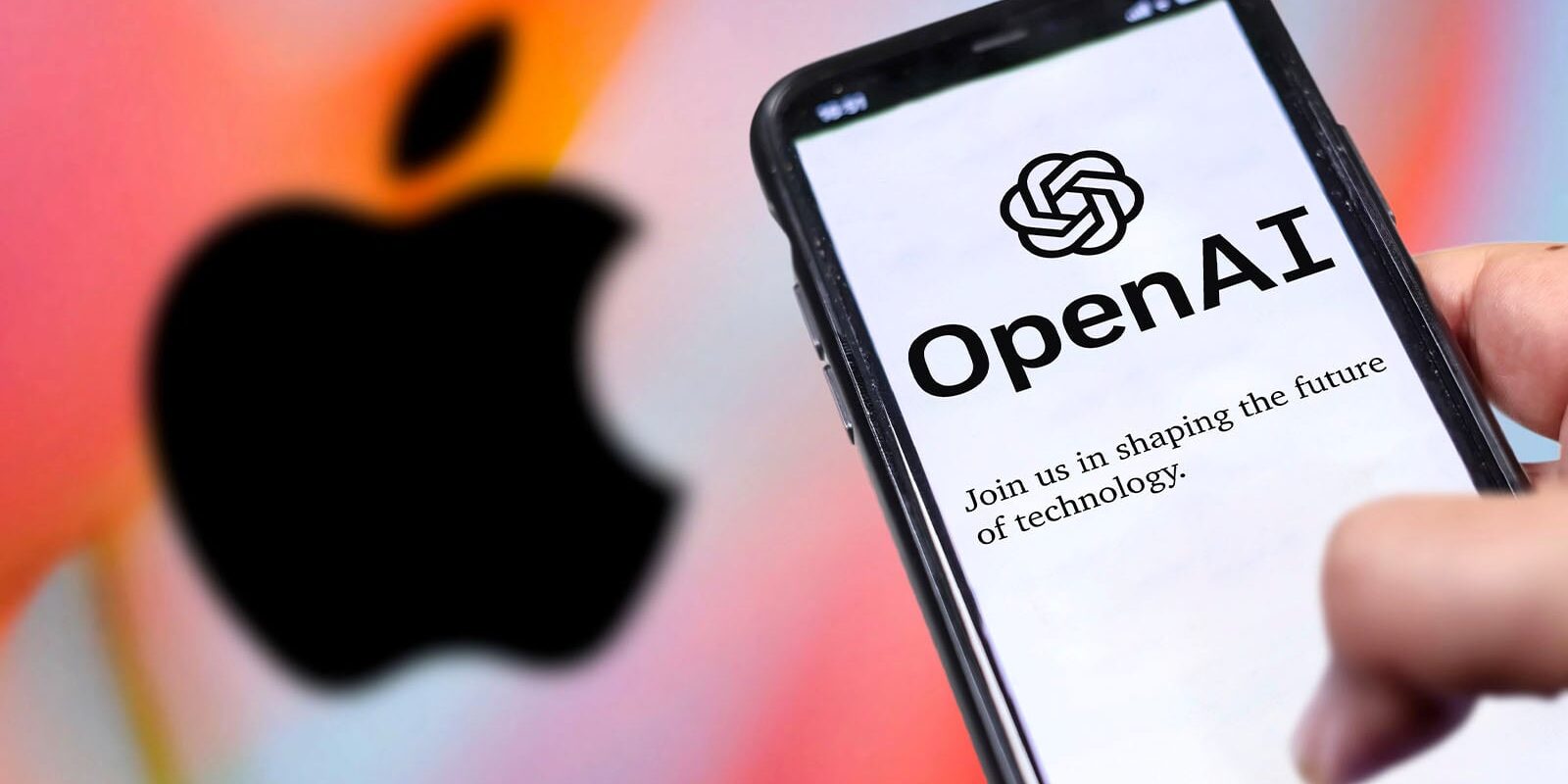
Apple has initiated legal action against OpenAI, claiming that several former employees unlawfully took confidential hardware trade secrets when they joined the AI company. This lawsuit has significant implications for both companies and raises concerns about employee mobility and intellectual property protection in the tech industry.
What happened
The lawsuit was filed in a California court, alleging that the individuals involved, who were researchers and engineers specializing in advanced hardware developments, misappropriated sensitive information. Apple contends that this information includes proprietary designs and specifications critical to its technology development efforts.
According to legal documents, Apple is seeking damages as well as injunctive relief to prevent the further dissemination of its trade secrets. The company asserts that the former employees had signed non-disclosure agreements and that their actions could have significant repercussions, not only for Apple but also for the broader tech landscape, which relies heavily on the protection of intellectual property.
What it means for readers
For consumers and tech enthusiasts, this lawsuit underscores the ongoing tensions in the tech industry regarding intellectual property and the movement of talent between firms. Both Apple and OpenAI have substantial influence on technology, from consumer electronics to artificial intelligence, making the outcomes of this case particularly noteworthy.
Readers should be aware that the outcome of this lawsuit could influence future innovations and collaborations in technology. If the court sides with Apple, it may deter talent from moving between competitive firms without proper licensing or security measures in place, impacting the industry’s typical ease of knowledge transfer.
Moreover, this legal battle highlights the intricacies of trade secret laws, which often govern how confidential information is handled when employees transition between companies. These legal protections serve not only to safeguard a company’s proprietary information but also to ensure a fair competitive landscape.
What happens now
As the case unfolds, both Apple and OpenAI will likely engage in pre-trial discovery, which can reveal further details about the allegations. This phase may include depositions and evidence gathering aimed at clarifying the extent of the information that was allegedly stolen.
Legal experts suggest that a settlement may be a possibility, as litigation can be costly and time-consuming for both parties. A settlement could involve monetary compensation or agreements on how the technology in question can be used moving forward.
Regardless of the outcome, the lawsuit spotlights critical issues related to employee migration and trade secret management that companies within the tech industry will have to navigate more carefully as such disputes become increasingly common. Readers should stay informed, as developments in this case could set important precedents for future relations between technology firms.
Original Source: https://petapixel.com/2026/07/10/apple-sues-openai-alleging-former-employees-stole-confidential-hardware-trade-secrets/