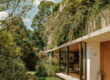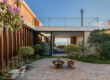

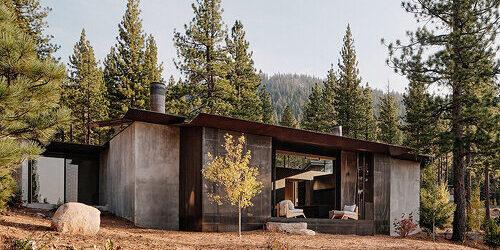
In a state increasingly ravaged by wildfires, California architects are redefining residential design to improve safety while embracing the natural landscape. This adaptation addresses an urgent need for homes that can withstand the destructive force of wildfires.
What happened
Wildfires in California have intensified over the years, with the 2020 season witnessing over 4 million acres burned. Triggered by a combination of climate change and decades of forest mismanagement, these catastrophic events have prompted both residents and builders to rethink traditional housing. Architects are now employing innovative design strategies and materials to create homes that can endure these fiery threats.
One significant development is the adoption of Fire-Resistant Building Codes, which specify flame-resistant materials such as stucco, metal siding, and innovative roofing options that can withstand extreme heat and embers. Open spaces, strategically placed landscaping, and defensible zones around properties work to create barriers against encroaching flames.
What it means for readers
For homeowners and prospective buyers, understanding fire-resistant architecture can be crucial in choosing a safe living environment. Searching for homes built with these principles offers a more significant safety guarantee against fires. Architects emphasize that the designs are not just about safety; they are also aesthetically pleasing, merging modern architecture with sustainable practices.
Homeowners equipped with the knowledge of fire-resistant features can make informed decisions that safeguard their investments and personal safety. For example, homes often feature dual-pane windows and well-sealed eaves to prevent embers from entering the structure. These upgrades may cost more upfront but can prove invaluable as climate concerns escalate.
What happens now
The push for fire-resistant houses will likely lead to broader industry changes, influencing local building codes and design standards throughout California. As architects continue to innovate, we can expect to see a rise in the use of non-combustible materials, fire-rated walls, and landscaping practices that minimize combustible vegetation near homes.
Moreover, ongoing research into materials that can withstand extreme heat is increasingly important. Collaborations between architects, engineers, and environmental scientists can foster better solutions for not just individual homes but entire communities. Community planning will also play a critical role in shaping neighborhoods that are built with fire resilience in mind.
In conclusion, as architects reimagine the interplay between nature and housing, the takeaway for readers is this: when searching for or designing a home in wildfire-prone areas, prioritize fire-resistant construction methods, choose knowledgeable professionals, and stay informed about evolving building codes. By doing so, you enhance not only your safety but also your community’s resilience against wildfires.
Original Source: https://www.designboom.com/architecture/california-design-house-live-wildfire-fire-resistant/