

Key details
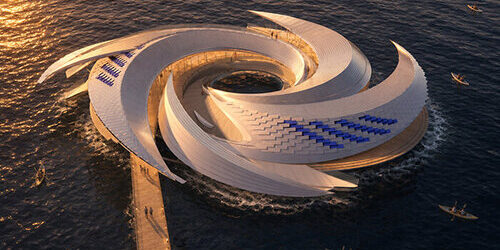
A groundbreaking proposal to create a spiraling floating parliament, known as the Ocean Vortex, is gaining traction among environmentalists and architects. The design envisions a structure built entirely from recycled marine waste, showcasing both innovative engineering and a commitment to sustainability. Set to float in international waters, this parliament aims to engage in discussions on global marine policies and ocean conservation.
The Ocean Vortex project is not just an aesthetic marvel; it has practical implications for how marine waste can be repurposed. The design team, consisting of marine engineers and sustainability experts, plans to utilize plastics and other waste materials collected from oceans, transforming these materials into a functional and symbolic space for governance. This initiative seeks to raise awareness about ocean pollution while providing a platform for dialogue on maritime legislative issues.
Why this matters
The significance of the Ocean Vortex extends beyond its unique structure. As oceanic pollution continues to escalate, with millions of tons of plastic entering the seas each year, projects like this highlight the urgent need for innovative solutions. By repurposing waste, the Ocean Vortex not only addresses the pressing issue of marine debris but also sparks conversation on sustainable practices in architecture and policy-making.
Furthermore, the floating parliament aims to operate in a novel space free from national jurisdiction. This international waters setting could facilitate unbiased discussions among stakeholders, allowing nations to collaborate without the pressures of territorial politics. The hope is that by removing these barriers, the parliament can contribute positively to global marine policies and promote better stewardship of the world’s oceans.
Broader picture
The Ocean Vortex reflects a growing trend towards integrating environmental concerns with infrastructure development. As cities increasingly suffer from the impacts of climate change and pollution, the lessons learned from such projects can influence urban planning and policy frameworks worldwide. The incorporation of recycled materials into public structures could inspire other initiatives aimed at sustainability.
In a climate where global leaders and institutions are grappling with the dual crises of pollution and climate change, the Ocean Vortex serves as a bold reminder of what is possible when innovation meets necessity. By offering a tangible solution to ocean waste while promoting collaborative governance, this project could inspire a shift in both public awareness and legislative approaches to marine issues.
In conclusion, while the Ocean Vortex is an ambitious concept that may take years to realize, it represents a compelling intersection of sustainable design and international collaboration. The project not only aims to address the critical issue of marine waste but also seeks to reframe conversations around global governance, suggesting that adaptability and innovation are essential in tackling the environmental challenges of our time.
Original Source: https://www.designboom.com/architecture/ocean-vortex-spiraling-floating-parliament-recycled-marine-waste-yufeng-tu/