

Key details
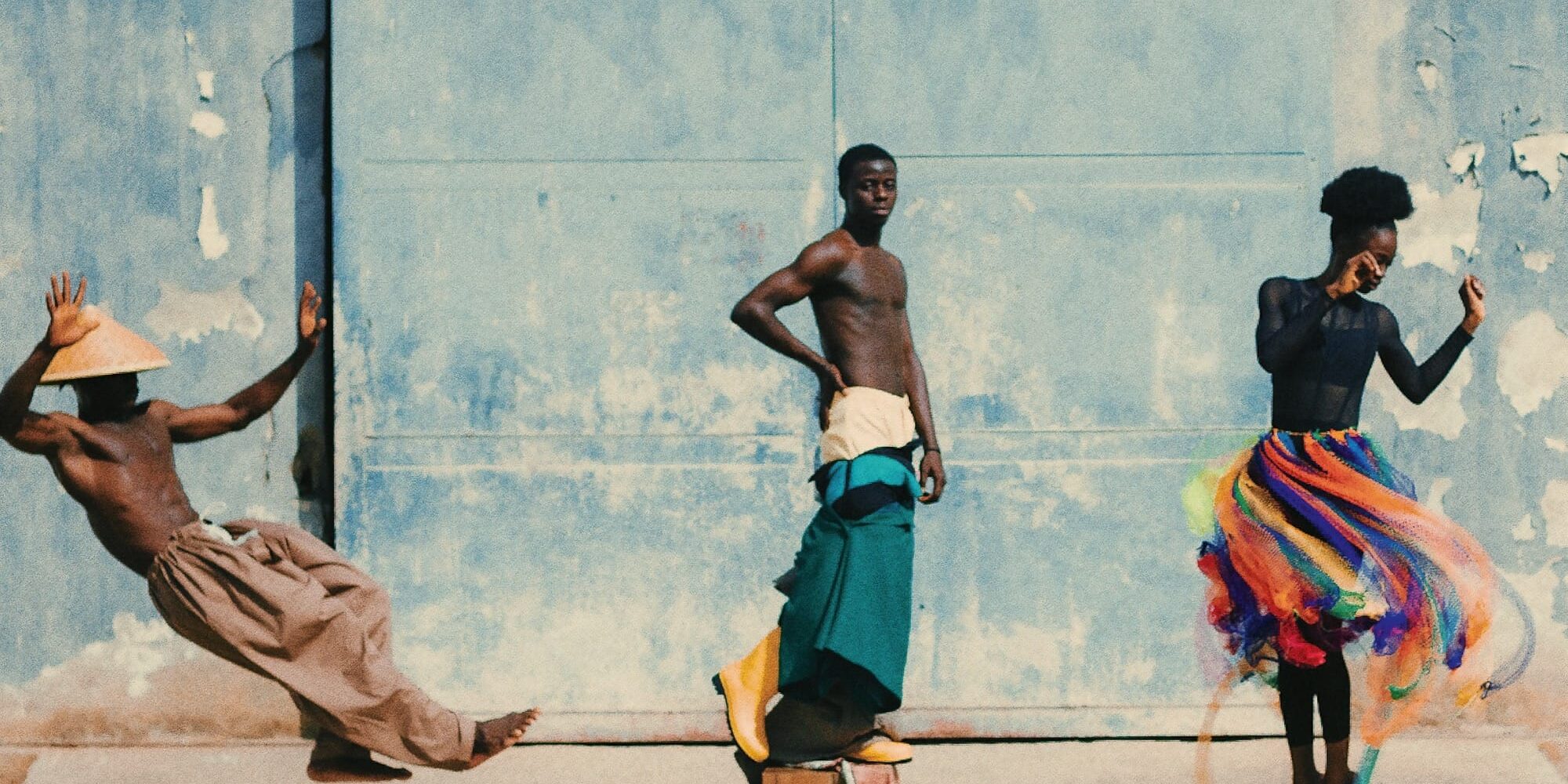
Africa’s vibrant street photography scene is gaining international attention, showcasing the continent’s rich tapestry of life. Photographers from diverse backgrounds are capturing candid moments that reflect the complexities of urban existence, tradition, and culture. This movement highlights not just the aesthetic beauty of the day-to-day, but also addresses deeper themes such as social issues, identity, and resilience.
Events like the “Street Photography Africa” exhibition, which features works from various photographers, offer a comprehensive view of how individuals perceive and document their environments. From bustling market scenes to intimate portraits of daily life, these images create a narrative that resonates with both local and global audiences. These projects often utilize social media to expand their reach, enabling photographers to gain recognition and connect with a wider community.
Why this matters
The significance of street photography in Africa extends beyond its artistic merit. First, it provides a platform for marginalized voices that challenge stereotypes often associated with the continent. Photographers are unearthing unique stories that defy the conventional narratives and celebrating Africa’s diversity. By showcasing the artistic talents of local creators, these projects encourage a dialogue about identity and belonging, allowing for a reimagining of the African experience from an insider’s perspective.
Moreover, street photography draws attention to social concerns such as urbanization, economic disparity, and cultural shifts. Each photograph serves as a social commentary, capturing both joy and hardship, thus nudging viewers to engage with pressing issues affecting various communities. In an era marked by increasing globalization, this form of visual documentation fosters a connection between viewers and subjects, urging a more humane understanding of the continent’s multifaceted social landscape.
Broader picture
The rise of digital media and smartphones has democratized photography, allowing aspiring photographers access to tools that were once reserved for professionals. This shift has empowered a new generation of artists to tell their own stories, creating a more inclusive visual language. As more Africans take up street photography, the genre becomes a critical medium for expression and exploration of cultural identity.
Furthermore, these developments resonate within the broader context of the global art world. Africa’s rich cultural heritage is increasingly being recognized as a vital part of the international art narrative. The energetic results of street photography not only contribute to this growing recognition but also invite international collaboration and dialogue.
As street photography continues to thrive, it demonstrates the power of visual storytelling in reshaping perceptions of Africa. The movement’s potential to inspire change and foster understanding through a lens of authenticity cannot be overstated. Ultimately, as photographers frame their realities, they remind us that the essence of humanity transcends borders, and that every street corner has a story worth telling.
Original Source: https://www.thisiscolossal.com/2026/10/street-photography-africa-book/