
What happened
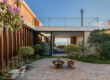
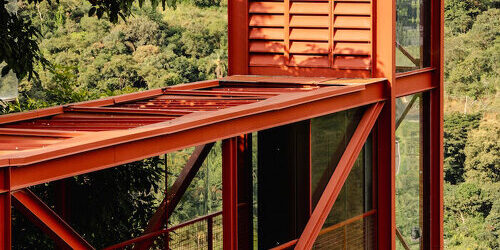
A striking architectural feature has emerged in Brazil: a red elevated metal walkway now connects Casa Castela, a unique residential project located on a steep slope. Designed by Studio MK27, this structure not only enhances the aesthetic appeal of the property but also provides pragmatic solutions to the challenges posed by its dramatic landscape. The walkway seamlessly integrates with the natural environment, offering panoramic views while minimizing the disruption to the existing terrain.
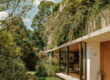
The Casa Castela itself is characterized by its modern design, featuring a wooden frame and large glass windows that invite natural light into the living spaces. The elevated walkway, constructed using robust steel materials, allows residents and visitors to traverse the hillside with ease, providing a safe and accessible pathway that mitigates concerns related to steep slopes and potential landslides.
What it means for readers
The new walkway symbolizes an innovative approach to architecture that prioritizes sustainability and connectivity. For homeowners and architects alike, it serves as a valuable case study on combining functionality with artistic expression. Creating structures that work harmoniously with their surroundings can lead to enhanced living experiences, greater property value, and an appreciation for architectural ingenuity.
For those interested in exploring similar designs or constructing on challenging terrains, the Casa Castela project exemplifies how land can be effectively utilized without compromising the integrity of the landscape. Furthermore, the installation of such walkways can inspire future development projects to prioritize pedestrian pathways, thereby promoting outdoor activity and community interaction even in areas with steep gradients.
What happens now
The success of the Casa Castela project is likely to encourage other architects and developers to consider innovative solutions for challenging geographic locations. As urbanization continues to expand, particularly in hilly or mountainous regions, there is a crucial need for more adaptive architecture that respects natural landscapes while providing safe access to properties.
In the coming months, discussions on sustainable construction practices will likely gain traction within both academic and practical realms. Stakeholders, including city planners, environmentalists, and architectural firms, will be closely watching the societal response to such developments. The hope is that the Casa Castela walkway inspires a broader movement towards environmentally-conscious design that harmonizes with nature, rather than imposing upon it.
Furthermore, as this trend progresses, we can expect ongoing innovations in materials and techniques that prioritize both safety and visual appeal. Homeowners looking to invest in similar projects should take note of the possibilities presented by elevated walkways, as they can fundamentally transform how we view and interact with our living spaces.
The most practical takeaway from the Casa Castela project is the reminder that architecture can both solve practical problems and enhance our environments. Projects like this that blend functionality, safety, and beauty can serve as benchmarks in the evolving conversation around modern residential design.
Original Source: https://www.designboom.com/architecture/red-elevated-metal-walkway-casa-castela-steep-brazilian-slope-biri/