
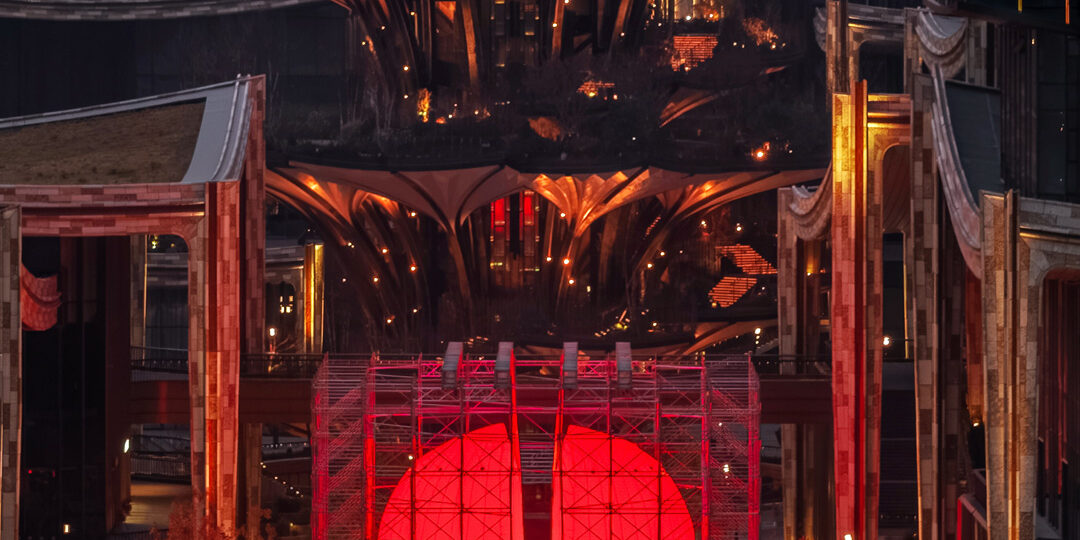
The contemporary art scene was recently abuzz with the unveiling of two captivating installations by the artist collective SpY, aptly titled DIVIDED and Cycles. These works, which explore the complex interplay of scale, light, and movement, have drawn significant attention from both the public and industry insiders alike. As spectators marveled at the thought-provoking pieces, critics began to dissect their implications on contemporary art and urban spaces.
Immediate reaction
Upon their debut, DIVIDED and Cycles elicited a wave of enthusiasm from attendees at the exhibition. Visitors were captivated by how SpY adeptly used scale to transform perceptions of space and reality. Many expressed admiration for the installations, praising the innovative approach to creating immersive experiences. Art aficionados and casual observers alike shared their excitement on social media, amplifying the buzz surrounding the launch and spurring conversations about the role of digital art in public spaces.
What triggered the move
SpY’s latest installations are a response to the rapid shifts in urban environments and the way technology interacts with daily life. DIVIDED focuses on how artificial boundaries shape human interactions, employing light and dynamic forms to illustrate divisions within society, while Cycles examines the rhythm of urban existence through motion and repetition. Such themes resonate deeply in today’s fast-paced world, particularly in metropolitan areas grappling with rapid changes and growing disparities.
The choice to present these works in a public setting echoes a broader trend among artists to engage more with the community, encouraging dialogue around social issues and the aesthetic experiences tied to urban life. This is reflective of a shift toward placing art where it can be interacted with and experienced firsthand, moving away from the traditional gallery space.
Why readers should care
The impact of SpY’s installations extends beyond sheer aesthetics; they provoke important discussions about urban identity and social consciousness. As cities become more divided—physically, socially, and economically—art has the potential to illuminate these issues and foster connections among diverse audiences. >From both cultural and commercial perspectives, understanding how art adapts to technological advancements offers insights into emerging trends in the creative industry.
In the near term, the exhibition is likely to influence how other artists conceive public art projects. As more creators focus on interactive and immersive experiences, we may see an expansion of installations that challenge conventional views of space and community. This could ultimately lead to a more interconnected and engaged public, fostering a greater appreciation for art as a transformative medium in urban landscapes.
Original Source: https://streetartnews.net/2026/01/spy-explores-scale-light-and-movement-in-divided-and-cycles.html