

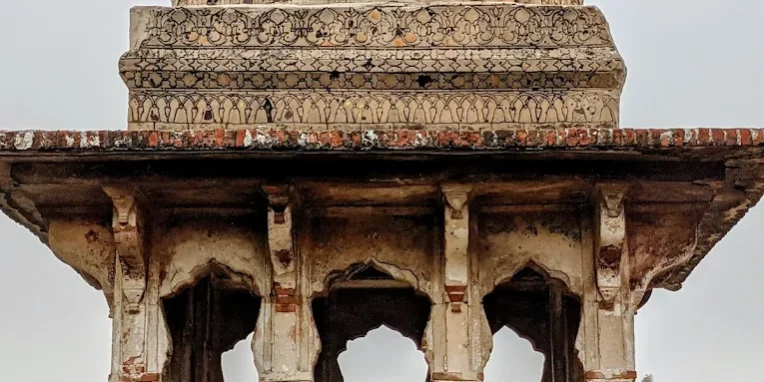
The Tomb of Dai Anga, an important historical site located in Lahore, Pakistan, is currently under the spotlight as restoration efforts are set to commence following recent funding approvals from the government. This initiative aims to preserve the monument, which has suffered from neglect and environmental degradation over the years. As local officials prepare for the restoration project, there is renewed interest in the tomb’s significance and cultural heritage.
What happened
The decision to renovate the Tomb of Dai Anga was announced by the Lahore Historical Commission earlier this month. The structure, built in the 17th century for Dai Anga, the wet nurse of Mughal Emperor Shah Jahan, has long been overshadowed by more prominent historical sites in Lahore, such as the Badshahi Mosque and Lahore Fort. However, recent assessments have revealed that the tomb’s architectural features, including intricate tile work and stone carvings, are at risk due to exposure and lack of maintenance.
The Lahore Historical Commission has secured financing through a combination of dedicated heritage funds and public-private partnerships. Construction teams are expected to begin work within the next few weeks, focusing on structural reinforcement, restoration of artwork, and the surrounding landscape. Local historians and conservationists are collaborating to ensure that the restoration efforts maintain the site’s historical integrity.
Why it matters
The restoration of the Tomb of Dai Anga is significant for several reasons. Firstly, it highlights the importance of preserving Lahore’s rich Mughal heritage, which reflects the city’s historical significance as a cultural and political center during the empire’s zenith. The tomb represents not only the architectural prowess of the time but also the role of women in the royal court, as Dai Anga was a key figure in the upbringing of one of history’s most prolific emperors.
Furthermore, reviving interest in the tomb can stimulate local tourism, potentially attracting not only domestic visitors but also international travelers seeking to explore Lahore’s lesser-known treasures. By restoring this site, authorities aim to encourage a broader understanding of the Mughal dynasty and its impact on South Asian history.
What comes next
In the coming weeks, as renovations get underway, the immediate focus will be on assessing the extent of the required repairs and beginning the restoration process. Local government officials have also emphasized the necessity of public engagement throughout the project, inviting community members to participate in preservation workshops and informational sessions. This approach seeks to instill a sense of ownership and pride in local heritage among residents.
Looking ahead, a key point of interest will be the project’s impact on the local economy and tourism. Successful restoration could facilitate the establishment of a dedicated heritage trail in Lahore, linking various historical sites and potentially transforming the area into a cultural focal point. With a promising outlook, the Tomb of Dai Anga stands to become a symbol not only of Mughal artistry but also of a city’s commitment to preserving its illustrious past.
Original Source: https://www.atlasobscura.com/places/tomb-of-dai-anga