

The latest turn
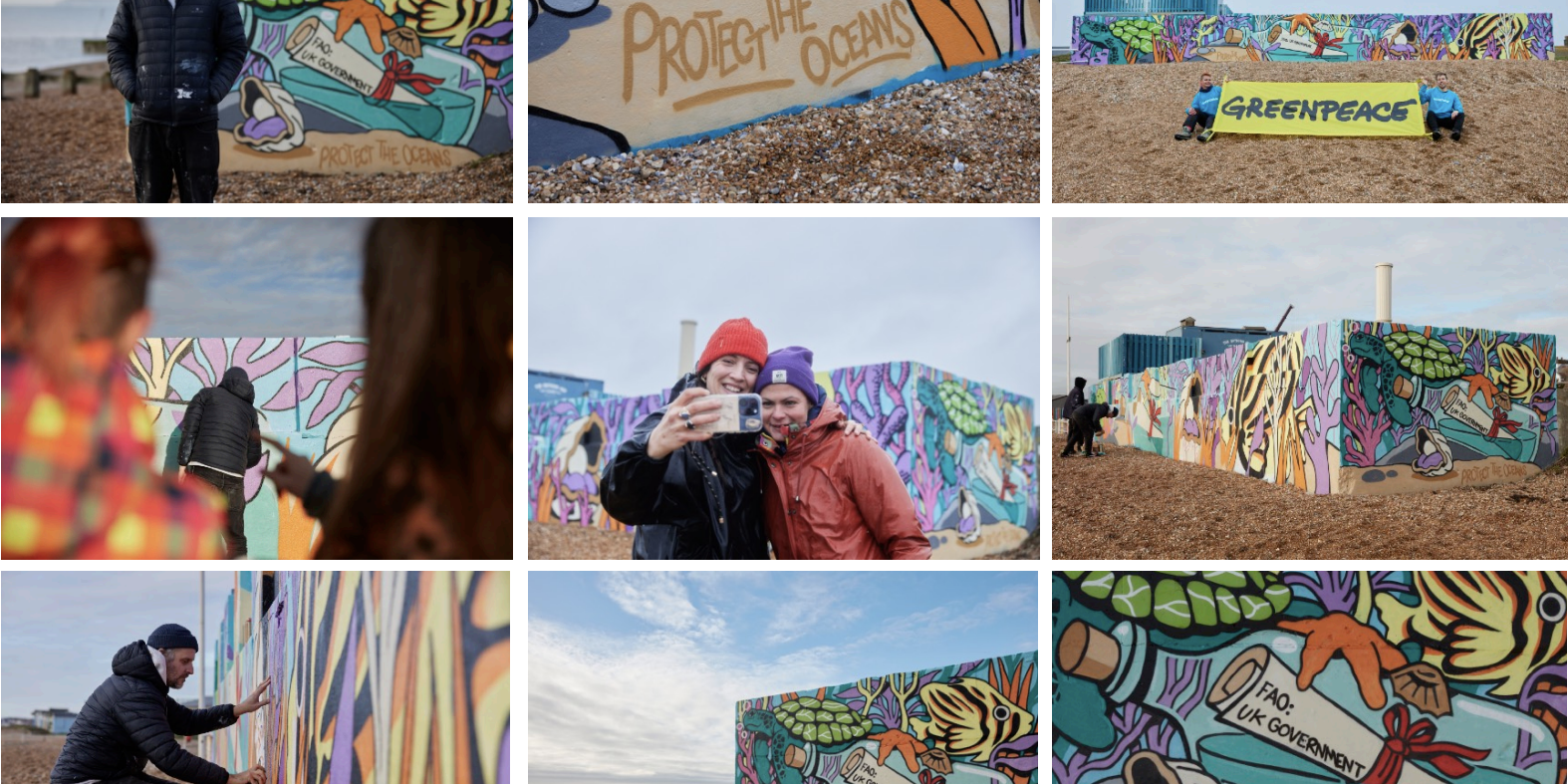
In a vivid display of creativity and activism, street artists around the world have begun transforming their canvases into messages dedicated to the recent High Seas Treaty, adopted by the United Nations in March 2023. This landmark agreement aims to protect biodiversity in the oceans beyond national jurisdictions, a critical step toward countering the ongoing crisis of marine resource depletion. As the treaty gears up for implementation, a wave of public art emerges, urging governments and citizens alike to acknowledge the importance of marine conservation.
Artistic interpretations range from large murals depicting marine life to stenciled messages on the pavement highlighting the impact of human activity on the oceans. Artists cite the urgency of addressing climate change and overfishing as key motivators for their work. One mural in San Francisco, for instance, portrays a majestic blue whale juxtaposed with images of plastic pollution, serving as a poignant reminder of the challenges facing marine ecosystems.
How the story got here
The path to the High Seas Treaty was long and complex, marked by decades of negotiations aiming to create a legal framework for the protection of international waters, which cover nearly two-thirds of the Earth’s oceans. The treaty, finalized after years of dialogues, has been met with both optimism and skepticism. Supporters view it as a historic opportunity to safeguard marine biodiversity, while critics point to enforcement challenges and existing loopholes.
The treaty sets forth key measures, including the establishment of marine protected areas and a strengthened framework for environmental assessments of activities at sea. Following its adoption, anxious anticipation filled the air as environmental organizations and fisheries alike awaited details on its implementation. In this landscape, street art has quickly emerged as a compelling response, reflecting public sentiment and advocacy.
Artists often see their work as a way to engage the community in discussions about conservation issues. For example, in New York City, a mural featuring the phrase “Protect Our Oceans” can be found in the East Village, designed to provoke dialogue among people passing by. Local artists collaborate with environmental NGOs to ensure their messaging aligns with scientific advocacy, demonstrating how creativity and activism intertwine in urban spaces.
Next expected developments
As the High Seas Treaty moves towards ratification and implementation, artist-led initiatives will likely continue to influence public opinion regarding ocean conservation. Local governments and environmental groups are expected to coordinate more closely with artists, utilizing their work to promote awareness and urge community involvement.
Furthermore, the treaty’s first conference of parties is scheduled for late 2024, where parties to the agreement will discuss enforcement mechanisms and the establishment of marine protected areas. Street artists plan to unveil new projects that coincide with this event, aiming to keep the conversation alive. The intersection of art and activism promises to play a crucial role in shaping how society understands and prioritizes the health of our oceans in the months ahead.
In a world grappling with climate change and biodiversity loss, the urgent message delivered through street art serves both as a compelling reminder and a call to action.
Original Source: https://streetartnews.net/2026/01/a-message-in-a-bottle-street-art-responds-to-the-high-seas-treaty.html