
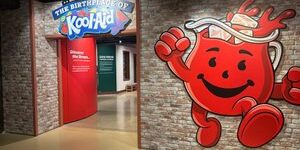
The Hastings Museum in Hastings, Nebraska, has recently gained attention for its intriguing Kool-Aid exhibit, which showcases the history and cultural impact of one of America’s most beloved beverages. This exhibit captures the essence of a product that has become a staple in American childhoods, evoking nostalgia for many and sparking curiosity for others.
Latest developments
In recent weeks, the Hastings Museum has announced a series of engaging events to complement the Kool-Aid exhibit, including guided tours, interactive workshops, and sessions where families can create their own flavors of Kool-Aid. These events are designed not only to enhance the visitor experience but also to educate attendees about the social and historical significance of the drink. Scheduled cooking demonstrations will also highlight Kool-Aid’s role in popular recipes, further cementing its place in American culinary culture.
The museum has reported a notable increase in foot traffic, particularly among families and school groups. Enthusiastic responses to the exhibit suggest that the nostalgic connections many feel towards Kool-Aid are creating opportunities for learning and interaction at the museum. The success of these events has prompted discussions about future expansions of the exhibit and potential partnerships with local schools.
Background and context
Kool-Aid was invented in the late 1920s by Edwin Perkins in Hastings, Nebraska. Initially sold as a powdered drink mix under the name “Fruit Smack,” Perkins rebranded it as Kool-Aid in 1931. The beverage quickly gained popularity, becoming a common treat across American households, particularly during summer gatherings. By the 1950s, Kool-Aid had become a household name, further solidified by its marketing campaigns featuring the iconic Kool-Aid Man.
The Hastings Museum aims to capture this history through the Kool-Aid exhibit, not just as a product but as a symbol of community culture and tradition. Artifacts on display include vintage Kool-Aid packets, advertisements, and memorabilia that reflect how the drink has evolved over the decades. The museum’s focus on interactive experiences also highlights the drink’s role in American social gatherings, making it a unique destination for tourists and history buffs alike.
What to watch next
As the Kool-Aid exhibit continues to draw interest, it will be essential to monitor how the museum enhances its offerings and engages with the public. Future events may incorporate themed festivals or collaborations with local businesses that celebrate the unique aspects of Kool-Aid. Moreover, the enhancement of educational outreach programs could provide new avenues for families to explore the cultural significance of this iconic beverage.
In addition, the park plans to incorporate more digital interactives, allowing younger generations to engage with the history in innovative ways. How the Hastings Museum navigates the growing interest in the exhibit will be fascinating to follow, as it balances maintaining its historical integrity while adapting to modern expectations of interactive learning.
Original Source: https://www.atlasobscura.com/places/hastings-museum-koolaid-exhibit