

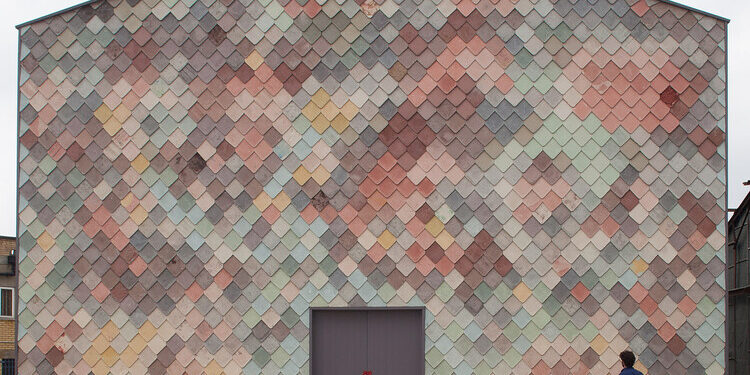
The Arts and Crafts Movement, which flourished from the 1880s to the 1920s, is experiencing a renaissance in contemporary architecture. Recent architectural exhibitions and urban development projects have sparked discussions about incorporating the movement’s ideals into modern design. Public interest in sustainable, handcrafted aesthetics is driving a revival that critiques mass production and champions craftsmanship.
Immediate reaction
In response to the recent resurgence of interest in the Arts and Crafts Movement, both industry professionals and the public are embracing its principles. Architects and designers are increasingly prioritizing materials that are not only sustainable but also rooted in local traditions. This focus has been well-received by community members who are looking for buildings that reflect local identity and craftsmanship.
Contemporary projects that emphasize handcrafted elements—such as exposed timber beams, artisanal stonework, and intricate detailing—have begun to populate cityscapes. Homeowners and developers alike recognize the value of designs that tell a story or evoke a sense of place. This shift toward organic shapes, rich textures, and artisanal techniques is seen as a remedy to the sterile, uniform look often associated with modern construction.
What triggered the move
The renewed interest in the Arts and Crafts Movement has been largely fueled by escalating concerns regarding environmental sustainability and the impacts of corporate architecture. As climate considerations become paramount in urban planning, architects are searching for solutions that marry aesthetics with ecological responsibility. The Arts and Crafts ethos, which advocates for functional beauty and environmental harmony, offers compelling principles for contemporary needs.
Additionally, the rise of the “maker” culture, where individuals value handmade goods over mass-produced items, has encouraged designers to return to roots that prioritize craftsmanship and artistry. Exhibitions and workshops showcasing traditional skills such as pottery, weaving, and woodworking have driven a cultural shift towards valuing artisanal approach over anonymous production lines. This movement aligns closely with the core tenets of the Arts and Crafts Movement, thus prompting many to seek inspiration in its design philosophy.
Why readers should care
The revival of the Arts and Crafts Movement has significant implications for urban landscapes and community identity. As more architects integrate these principles, communities are likely to see an increase in public spaces and buildings that reflect cultural heritage and environmental sustainability. These designs not only enhance visual appeal but also foster a sense of belonging among residents.
Moreover, the focus on craftsmanship and local materials can stimulate local economies, encouraging businesses that source and produce these resources. As a generation increasingly prioritizes integrity in design, the arts and crafts ethos will likely play a crucial role in reshaping urban fabric and quality of life.
In the short term, enthusiasts and professionals can expect continued engagement with the movement. Architectural firms are likely to adapt their portfolios to include more properties that embrace the Arts and Crafts philosophy, thereby marking a significant shift in the contemporary building landscape that prioritizes tradition alongside innovations.
Original Source: https://www.archdaily.com/1181917/how-the-arts-and-crafts-movement-still-shapes-contemporary-architecture