

The latest turn
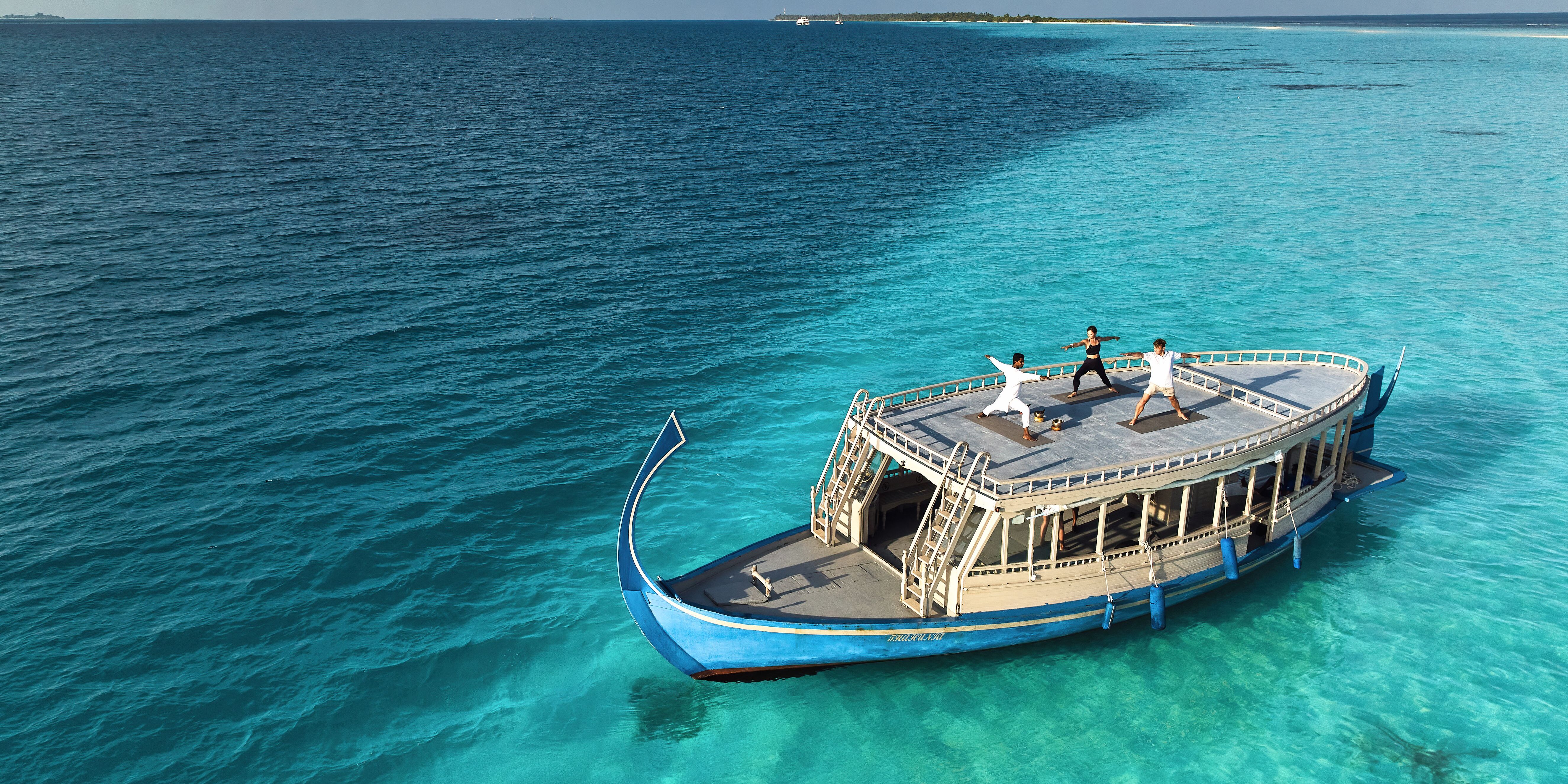
In recent months, the global yoga community has embraced unconventional settings for practice, with emerging trends that move away from traditional studios to breathtaking outdoor environments. This evolution is marked by an increase in popularity for locations that offer stunning natural backdrops, combining the serenity of yoga with the power of nature. From floating studios to beaches on remote islands, the practice of yoga is finding new dimensions across various landscapes, attracting both seasoned practitioners and curious newcomers.
How the story got here
The shift towards unconventional yoga spaces can be traced back to the growing desire for holistic experiences. With the rise of wellness tourism over the last decade, retreats blending physical, mental, and spiritual rejuvenation have become increasingly appealing. The pandemic catalyzed this movement, as many sought to escape crowded urban environments and reconnect with nature. As a result, yoga enthusiasts have flocked to locations like the azure waters of the Maldives, where beach yoga sessions bring tranquility and reflection, all set against idyllic island scenery.
Additionally, innovative studios are reimagining how yoga can be practiced. Floating yoga classes, where participants perform poses on paddleboards, have become famous in serene lakes and sunny coasts. Events like yoga on a yacht have captured the imaginations of travelers, creating a joyful amalgamation of adventure and mindfulness. Even unconventional settings such as abandoned warehouses or urban rooftops have turned into makeshift yoga havens, appealing to a demographic eager for both authenticity and aesthetic.
Increasingly, wellness retreats are exploring new rituals tied to cultural heritages. In places like Bali, travelers can experience traditional Balinese ceremonies alongside their yoga sessions, while in India, travelers can immerse themselves in the heart of ashtanga yoga at historic temples. These experiences are more than just workouts; they provide deep cultural connections to the spaces in which practitioners find themselves.
Next expected developments
Looking ahead, we can anticipate a further surge of interest in unique yoga venues. As travelers seek more immersive experiences, experts predict a continuation of the trend toward multi-sensory environments where users can simultaneously engage with their surroundings. This could result in an expansion of offerings that incorporate local elements—such as guided usings of local flora for essential oils or meditative practices rooted in indigenous cultures.
Moreover, advancements in technology may lead to new trends in virtual yoga experiences, where enthusiasts can participate in guided classes from global locations without leaving their homes. This fusion of technology and tradition could redefine accessibility within the yoga community and attract wider participation from diverse audiences.
As the global wellness movement continues to evolve, what remains certain is that yoga will keep looking for fresh avenues to inspire practitioners. The merging of asanas with the captivating beauty of unconventional settings promises to invigorate both the practice itself and the growing interest in global wellness travel for years to come.
Original Source: https://www.cntraveler.com/story/best-places-for-yoga-around-the-world