

The latest turn
In recent weeks, the world of contemporary art has seen a significant shift as exhibitions increasingly adopt standardized formats. Museums and galleries are piloting new curatorial approaches that prioritize cohesive narratives, multimedia installations, and even participatory elements. This shift has sparked conversations about how these formats are reshaping the fundamental experience of art appreciation.
How the story got here
The trend toward format-driven exhibitions is not sudden; it has roots in the digital transformation of the art world. Over the past decade, galleries have expanded their reach through online platforms, making art more accessible to broader audiences. This change has led institutions to rethink their physical exhibitions, promoting experiences that encapsulate the immediate engagement characteristic of online art viewing.
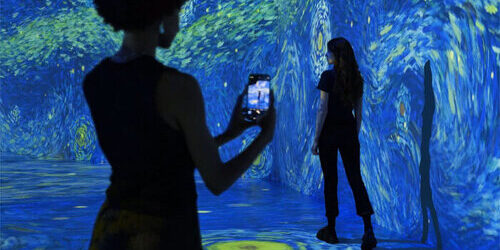
Moreover, there has been a notable rise in curated experiences that draw on popular culture, blurring the lines between art and entertainment. Institutions such as the Museum of Ice Cream or the Van Gogh immersive experience exemplify this trend, where visitors engage with art through a curated format that prioritizes Instagrammable moments and sensory engagement over traditional art appreciation. While these exhibitions attract wider audiences, critics argue that the reductionist nature of standardized formats may dilute the subtleties of artistic expression.
This growing focus on formats raises critical questions: When art is presented primarily through curated frameworks and predetermined narratives, what happens to the viewer’s experience? Many art critics caution that empathy and personal interpretation—the hallmarks of traditional engagement—may be sidelined as audiences navigate through pre-set pathways designed for maximum impact rather than introspection.
Next expected developments
Looking ahead, intriguing developments are on the horizon as art institutions grapple with finding balance between appeal and authenticity. Major art fairs are predicted to incorporate more immersive, multi-sensory experiences, while established galleries may continue experimenting with interactive formats, aiming to prolong visitor engagement and retention amid increasing competition.
Additionally, as discussions around climate sustainability grow, there may be a recalibration of how physical and digital formats intersect. More exhibitions are likely to adopt sustainable practices, blending traditional and modern modalities to foster deeper connections without compromising environmental responsibility.
As this conversation unfolds, the pressing question remains: Can exhibitions adapt to the evolving cultural landscape without compromising the intimate relationship between art and its audience? The next wave of exhibitions will likely provide insight into these challenges, navigating the fine line between format and experience.
Original Source: https://www.designboom.com/art/exhibitions-formats-experience-art-museums-interactive-immersive/