
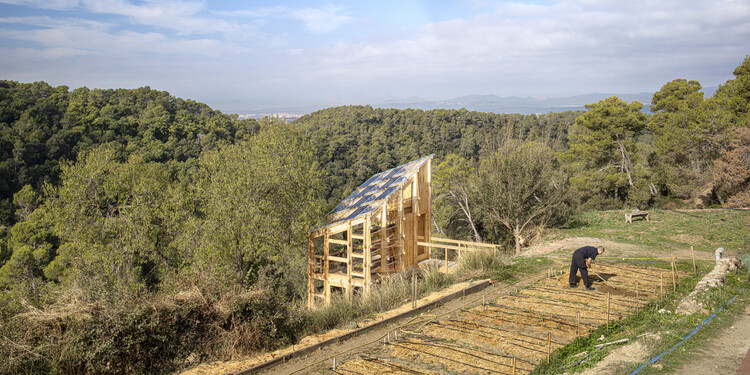
Recent developments in urban planning are drawing inspiration from survivalist architecture as cities increasingly face climate change and other crises. Designers are integrating resilient building practices that prioritize sustainability, security, and community survival, extending beyond traditional bunkers to create structures adaptable to various emergencies.
What happened
As environmental disasters become more frequent and unpredictable, architects and urban planners are exploring methods utilized by survivalists, who have long emphasized self-sufficiency and protective design. A notable project includes the new “Resilient City” initiative in several regions, which aims to blend eco-friendly materials with fortified structures that can endure extreme weather events. The initiative has sparked conversations on how communities can better prepare for potential disasters while maintaining a balance between modern living and necessary precaution.
Key features of this modern approach often include renewable energy sources, water conservation systems, and smart architecture designed to function during and after crises. Some recent constructions incorporate underground elements or barriers to protect against flooding and extreme storms, reminiscent of the strategies employed in traditional survivalist bunkers but adapted for urban living.
Why it matters
This shift towards resilience in architecture underscores a fundamental change in societal priorities. As cities strive to become more adaptive, these design principles could significantly alter future urban landscapes. By learning from survivalist principles, communities can enhance not just their physical robustness, but also improve mental resilience among residents. Understanding how to create spaces that foster community cohesion during emergencies can mitigate the psychosocial impacts of disasters.
The growing interest in sustainable and secure designs also signals a broader recognition of environmental and societal vulnerabilities. With governments facing growing pressure to act on climate change, projects promoting resiliency may receive additional funding and support, potentially reshaping how urban areas are developed moving forward. Architectural firms are now integrating sustainability practices into preliminary designs, reflecting increased awareness of long-term impacts.
What comes next
The coming months will see an influx of discussions centered on regulatory frameworks and funding models for resilient architecture projects. Policymakers and planners will need to collaborate effectively to implement these strategies more widely, demonstrating not only their feasibility but also their necessity. Upcoming forums on sustainability and resilience in urban design are expected to attract attention, offering a platform for experts to propose innovative solutions.
As the realities of climate-related disruptions become more pronounced, the architectural community’s focus on resilience could lead to novel city planning concepts that may well define the future of urban living. Keeping an eye on how these projects evolve will be crucial, as they hold the potential to reshape our understanding of safety and sustainability in the fabric of modern cities.
Original Source: https://www.archdaily.com/1185860/beyond-the-bunker-lessons-from-survivalist-architecture-on-resilience