
In a striking new exploration at the intersection of urbanism and art, François Prost has unveiled a thought-provoking project that examines nightclubs as complex facades intricately designed to manufacture desire. This innovative study, displayed in a series of installations, draws attention not only to the aesthetics of nightclub architecture but also to the socio-cultural implications of these spaces in modern cities.
What happened
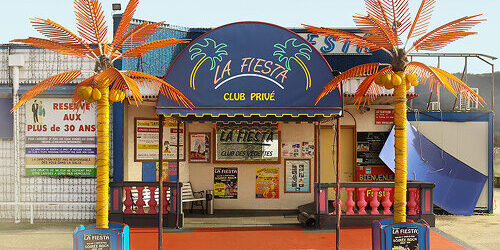
Prost’s latest work, showcased in a renowned gallery, uses a combination of photography, visual art, and urban design critique to dissect the nightlife industry. By placing nightclubs under a meticulous lens, Prost illustrates the ways in which these establishments do more than merely provide a venue for leisure. They embody a carefully curated experience that capitalizes on the allure of enjoyment, connection, and escapism. The project unfolds visually through a series of large-scale photographs that juxtapose the raw urban landscape with the vibrant, almost otherworldly designs of nightclub facades.
The installations highlight how light, color, and architectural elements converge to guide the emotional responses of patrons. Prost emphasizes the power of these facades not just in attracting foot traffic but also in framing the culture of desire that envelops nightlife. This veneer of glamour often conceals the underlying dynamics of labor, social interaction, and sometimes even vulnerability.
Why it matters
The relevance of Prost’s work transcends aesthetic appreciation; it invites critical discourse on consumerism and the commodification of experience. Nightclubs serve as microcosms reflecting broader societal trends, such as the pursuit of happiness and the fundamentally constructed nature of desire. As urban centers become increasingly dominated by service economies, understanding how spaces can manipulate emotions and aspirations is essential in grasping the modern human experience.
Furthermore, the project taps into urgent discussions surrounding inclusivity in nightlife. By dissecting the mechanisms at play within nightclub facades, Prost sheds light on issues such as class, privilege, and accessibility. Nightclubs often portray representations of an idealized lifestyle, leading to exclusions based on socioeconomic status, further complicating the pursuit of connection and joy in urban settings.
What comes next
As Prost’s work gains attention, the immediate outlook suggests a heightened curiosity around the architecture of urban nightlife and its implications for social engagement. Further discussions and exhibitions may arise from this project, inspiring other artists and urban planners to explore the socio-spatial dimensions of nightlife further. Stakeholders in the nightlife industry, from owners to city planners, may need to reevaluate the messaging and experiences they provide in light of these critiques.
In a period marked by rapid urban change and increasing complexity in social dynamics, Prost’s examination offers a lens through which to envision a more conscious approach to nightlife spaces. As communities engage with these reflections, we could witness shifts in how nightclubs and similar venues are designed, leading to potentially transformative experiences that prioritize inclusivity and authenticity.
Original Source: https://www.designboom.com/architecture/francois-prost-facade-machine-manufacturing-desire-guest-essay/